
Transforming Environments: How Minimalism Can Increase Your Productivity

Transforming Your Workspace
In a world overloaded with distractions, the idea of minimalism serves as a breath of fresh air. By stripping away the unnecessary, we create spaces that foster focus and clarity. This article delves into how minimalism can significantly boost your productivity.
The Essence of Minimalism
Minimalism is more than just a trend; it’s a lifestyle choice that influences various aspects of life. It involves intentionally limiting possessions and distractions to create a more meaningful living and working environment. For example, rather than filling a workspace with excess decor, a few select, meaningful items can create a more inviting atmosphere.
- Reduces Clutter: A tidy space leads to a tidy mind. Research shows that physical clutter can contribute to feelings of anxiety and stress. Visual distractions can overwhelm the brain, making it difficult to concentrate. By simplifying your workspace—perhaps by keeping only essential tools on your desk—you can maintain a calming environment.
- Enhances Focus: Fewer distractions result in increased concentration on tasks. In a study conducted at Princeton University, researchers found that visual clutter competes for your attention, ultimately hindering your ability to focus. A minimal workspace encourages you to hone in on what truly matters.
- Promotes Efficiency: An organized environment streamlines workflows. For instance, when everything in your workspace has a designated place, you save time typically spent searching for items, enabling you to channel that energy into productive work.
Productivity in Action
Studies indicate that adopting minimalist practices can result in measurable improvements in productivity. By utilizing a minimalist approach, you may experience:
- Heightened Creativity: A clear mind can foster innovative ideas. In environments with fewer visual stimuli, you may find that creative thoughts flow more freely, allowing for brainstorming sessions that yield groundbreaking ideas.
- Improved Time Management: Fewer items to manage means more time for essential tasks. When your environment is simplified, the cognitive load it places on you is reduced, letting you allocate your time effectively to priorities rather than to organization and cleaning.
- Better Well-being: A serene environment can lead to reduced stress levels. A minimalist workspace not only looks cleaner but feels more inviting, contributing to a sense of peace that can enhance your overall satisfaction and happiness at work.
As we explore the relationship between minimalism and productivity in detail, consider how small changes in your environment could lead to significant changes in your work habits. Simple steps such as decluttering your desk, using monochromatic color schemes, or incorporating green plants can transform your workspace into a minimalist haven. Discover the profound effects of minimalism on your daily life and embrace a productive, clear-minded approach to work.
DIVE DEEPER: Click here to discover more about intentional choices and minimalism
The Psychology Behind Minimalism
Understanding the psychology behind minimalism unveils its power in enhancing productivity. At its core, minimalism encourages a shift in mindset. By embracing simplicity, individuals can cultivate environments that promote both mental clarity and efficiency. Studies in environmental psychology highlight that our surroundings directly impact our mental state and productivity levels.
The Impact of Space on Mental Clarity
Research shows that the type of space you work in can profoundly influence your cognitive performance. A clean and organized environment reduces distractions and stimuli, allowing the mind to focus on the task at hand. For instance, the American Psychological Association published findings indicating that decreased external stimuli lead to better concentration. When unnecessary items are removed from a workspace, the barrier to creativity and productivity lowers.
- Boosts Decision-Making: A less cluttered environment can lead to improved decision-making abilities. The brain processes less information at once, allowing for clearer thinking. This is crucial when faced with multiple tasks, as a streamlined space encourages prioritization and effective choices.
- Encourages Mindfulness: Minimalism promotes a mindset of intention and focus. This approach can lead to greater mindfulness, where individuals engage fully in their tasks. Mindful practices such as focusing on one task at a time can lead to deeper work, in contrast to multitasking—which often fragments attention and reduces overall productivity.
- Facilitates Better Goal Achievement: When the clutter is eliminated, it becomes easier to set and achieve goals. A minimalistic workspace allows you to visually represent your objectives without distractions, making it easier to track progress. This can be particularly motivating, as accomplishments are clear and tangible.
Strategies for Implementing Minimalism
Adopting a minimalist approach in your workspace can be transformative. Here are some practical strategies to get started:
- Declutter Regularly: Set aside time weekly or monthly to assess your workspace. Make it a routine to remove items that are no longer necessary, ensuring everything present serves a purpose.
- Create Designated Spaces: Assign specific areas for essential items. For example, a designated drawer for stationery or a specific shelf for books can help maintain order and prevent clutter from accumulating.
- Utilize Digital Tools: Embrace technology and shift toward digital organization. Use apps for task management and virtual notes to reduce paper clutter on your desk.
As we dive deeper into the essentials of creating a minimalist workspace, the impact of environmental changes on productivity remains undeniable. Discover how these strategies not only transform your physical workspace but also reshape your workflow, leading to greater efficiency and enhanced overall satisfaction.
Understanding Minimalism in the Workspace
Minimalism is not just a design trend; it’s a lifestyle choice that can significantly enhance workplace productivity. By stripping away distractions and unnecessary clutter, individuals can focus on what truly matters. This approach to transforming environments encourages a clean, organized space that inherently drives concentration and efficiency.
The Cognitive Benefits of a Minimalist Environment
Research indicates that a clean workplace can reduce stress levels, leading to enhanced cognitive function. When distractions are minimized, the brain can process information more effectively. A study conducted by Princeton University reveals that clutter competes for your attention, causing a decreased ability to focus. With minimalism, the workspace becomes a sanctuary for creativity and productivity.
Practical Steps to Implement Minimalism
To embark on this transformative journey, start by evaluating your workspace. Identify items that serve no purpose or contribute to chaos. A minimalist environment may include simplified desk layouts, reduced paperwork, and a consistent color palette that promotes calmness. By making thoughtful renovations to your surroundings, you foster mental clarity, which is essential for productive outcomes.
Adopting Minimalism Beyond the Desk
Embracing a minimalistic approach doesn’t stop with physical space; it extends to digital environments too. An overcrowded desktop or an overwhelming number of browser tabs can lead to similar issues as a cluttered physical workstation. Therefore, consider streamlining your digital tools. Utilizing productivity applications that promote organization can dramatically enhance focus.
| Category 1 | Category 2 |
|---|---|
| Focus Enhancement | Less clutter leads to improved concentration |
| Stress Reduction | A clean workplace reduces anxiety and promotes calm |
With a sustained commitment to minimalism, you can create an atmosphere that not only inspires creativity but also facilitates higher levels of output. Take a moment to reflect on how your current environment impacts your performance. Are there changes you can implement today to enhance your productivity through minimalism? Each small adjustment can pave the way for transformative results.
DISCOVER MORE: Click here to dive deeper
Creating a Minimalist Workspace
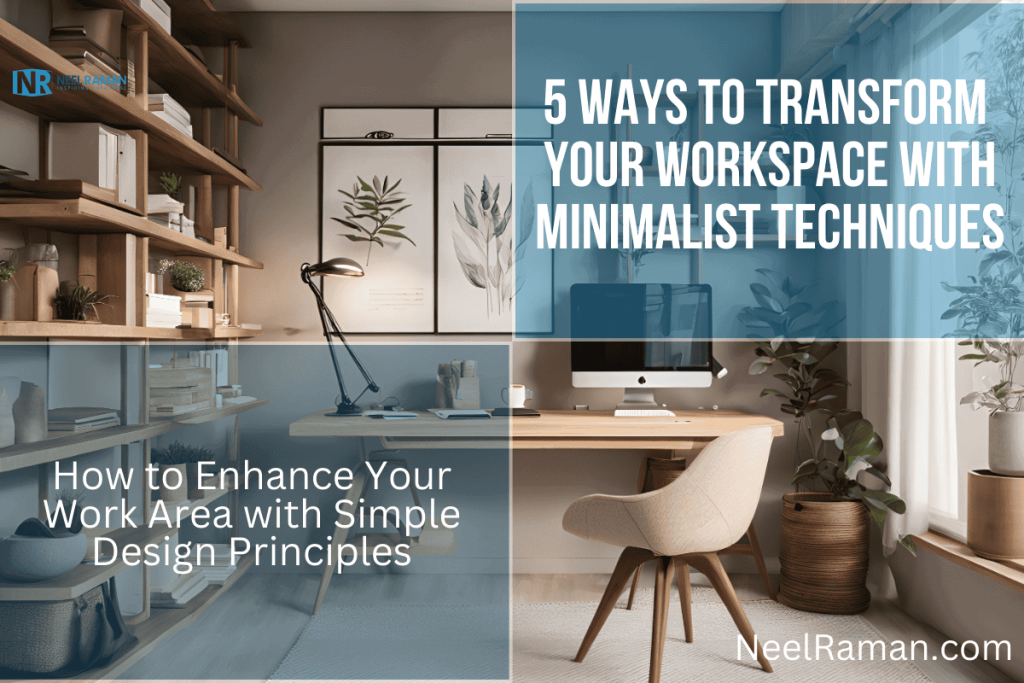
Transforming your workspace into a minimalist haven doesn’t require drastic changes overnight; instead, it embraces gradual evolution that can yield remarkable results. By methodically designing a space that resonates with minimalism, you increase not just your productivity but also foster a sense of tranquility and focus.
The Role of Color and Lighting
One of the most critical yet often overlooked aspects of a minimalist environment is color selection. Research has shown that certain colors can influence mood and productivity. For example, blue tones are often associated with calmness and focus, while yellow stimulates creativity. Incorporating these colors into your space through accent walls, artwork, or decorative items can subtly enhance your mental environment.
Alongside color, lighting plays a pivotal role in setting the right atmosphere. Natural light has been linked to increased productivity and improved mood. If your workspace lacks access to sunlight, consider using full-spectrum bulbs that mimic daylight. The right lighting can prevent eye strain and fatigue, reinforcing your ability to concentrate and perform efficiently.
Emphasizing Functionality Over Decoration
In a minimalist workspace, the emphasis should be on functionality rather than decorative excess. Every item should have a clear purpose, ensuring that unnecessary distractions are minimized. For example, opting for a desk with built-in storage can reduce surface clutter, while also providing accessibility. Additionally, investing in multifunctional furniture, such as convertible desks or stackable chairs, can save space and enhance the overall versatility of your workspace.
- Incorporate Greenery: Adding plants to your workspace can boost productivity. Studies have found that greenery not only improves air quality but can also enhance mood and concentration. Consider low-maintenance plants like succulents or snake plants, which require minimal care while still providing visual appeal.
- Implement Technology Wisely: While technological tools can help create a minimalist environment, over-reliance on gadgets can work against you. Choose tools that streamline your workflow—like all-in-one printers or online collaboration software—while resisting the temptation to collect every new gadget that promises productivity.
- Create a Personal Touch: Minimalism doesn’t mean sacrificing personalization. Integrate elements that inspire you, such as motivational quotes or a vision board. These can serve as quick visual reminders of your goals and intentions without cluttering your space.
Establishing Routines to Maintain Minimalism
The benefits of a minimalist workspace also depend on maintaining the standards you set. Establishing routines for keeping your workspace organized can have long-lasting effects. For instance, at the end of each workday, take a few minutes to tidy up your desk, putting away items that have accumulated throughout the day. This practice can help reinforce a minimalist principle of ‘a place for everything and everything in its place.’
Moreover, developing a doodle-free protocol—reserving specific time slots to tackle non-essential tasks, such as emails or meetings—can help you maintain focus on critical projects. By establishing clear boundaries between focused work and miscellaneous tasks, you enhance your overall productivity.
As you embrace these practices, you may find that your minimalist workspace not only supports increased productivity but also fosters a sense of calm and control in your professional life. Uncover how the visual and functional elements of minimalism can redefine your approach to work, encouraging sustained growth and success.
DISCOVER MORE: Click here to enhance your productivity
Conclusion
In conclusion, embracing minimalism within your workspace is more than just a design choice; it is a powerful strategy to enhance productivity and cultivate a healthier work-life balance. As we’ve explored, the transformation of your environment through intentional color selection, effective lighting, and functional furniture can drastically influence your focus and motivation levels. By eliminating unnecessary distractions and prioritizing functionality, you create a seamless flow that allows your creativity and efficiency to thrive.
Moreover, integrating elements like greenery and personal touches offers an engaging way to personalize your space while maintaining a minimalist ethos. Establishing routines for organization further solidifies the habit of minimalism, ensuring that your workspace remains a sanctuary of calm and productivity amidst the chaos of daily tasks. This conscious practice can lead to increased clarity of thought, reduced stress, and ultimately, a more fulfilling professional experience.
As you embark on this journey of minimalism, consider how your environment shapes not just your work but also your mindset. Each small adjustment can foster a profound impact on how you perform and feel. In a world saturated with distractions, the minimalist approach stands out as a beacon for those seeking efficiency and serenity in their professional lives. Explore these ideas and take the first steps towards designing a workspace that not only enhances your productivity but also nourishes a sense of peace, ultimately paving the way for sustained success.