The Importance of Regular Home Inspections: Preventative Maintenance Tips
The Importance of Regular Home Inspections
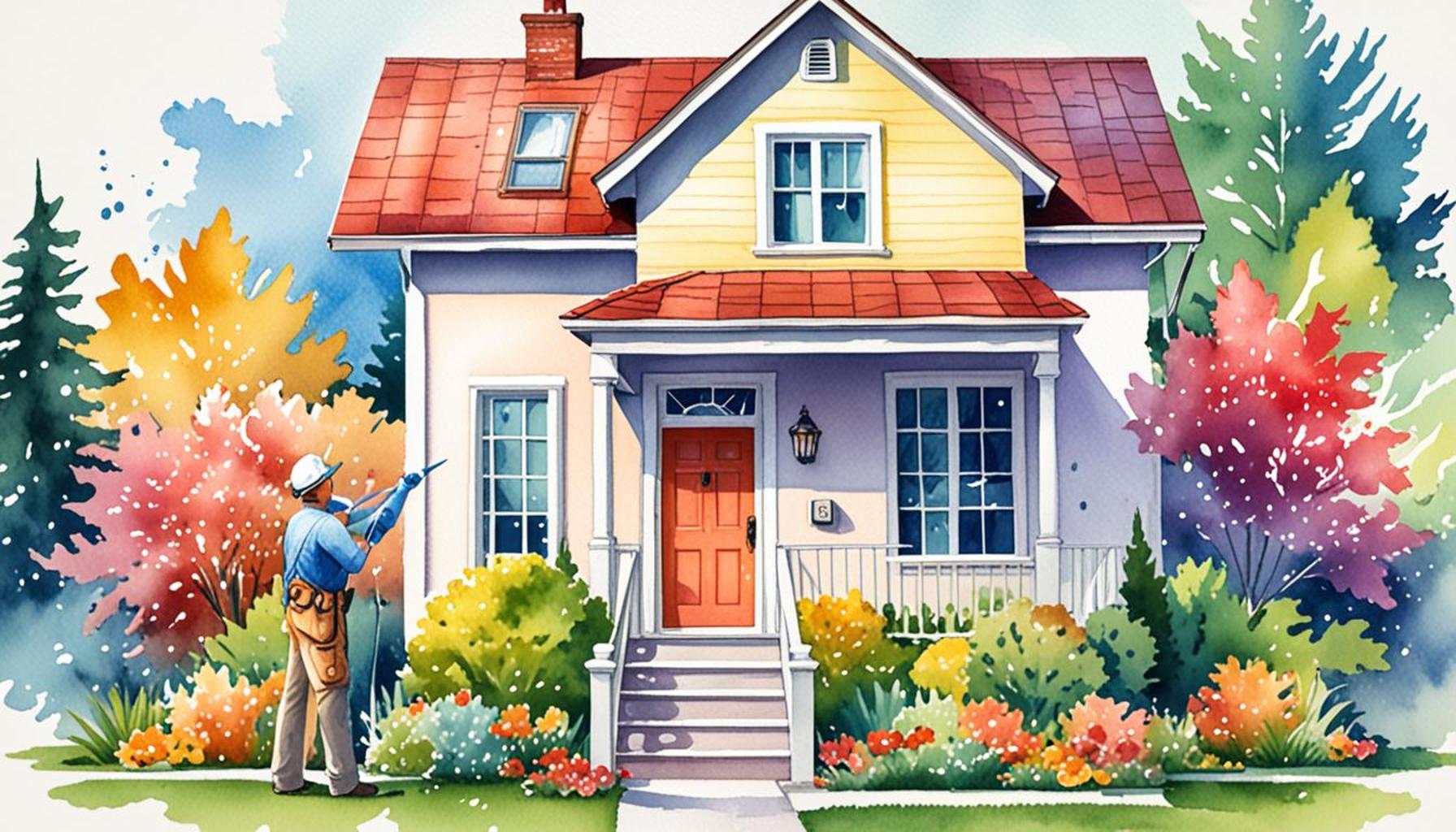
Owning a home is a significant achievement, but it also comes with an array of responsibilities that must be managed proactively. One of the most effective ways to ensure your home remains a safe haven—and a good investment—is to schedule regular home inspections. These inspections are vital for identifying potential issues early on, preventing them from escalating into expensive repairs. Not only do they protect your dwelling, but they also contribute to an enhanced quality of life for you and your family.
Let’s take a closer look at some critical components of your home that stand to benefit from regular inspections:
- Structural Integrity: The foundation and framework of your home are critical to its overall stability. Look for any signs of wear, such as cracks in walls or floors, which may indicate shifting soil or settling. Regular assessments can prevent severe structural damage, saving homeowners thousands of dollars in repair costs.
- Roof and Gutters: Regularly inspecting your roof can catch problems like leaks or missing shingles before they cause significant water damage. It’s important to clean gutters to avoid blockages that can lead to water overflow, which might damage your home’s siding, foundation, or interior.
- Electrical Systems: Ensuring that your wiring adheres to current safety codes is crucial. Common issues such as outdated circuits or frayed wires can pose fire hazards. A professional inspection can identify these risks and help prevent dangerous situations.
- HVAC Systems: Routine maintenance of your heating, ventilation, and air conditioning systems is essential for optimal performance. Filters should be changed regularly, and systems should be serviced annually to improve efficiency and prolong their lifespan, enhancing comfort year-round.
The significance of proactive home inspections is further highlighted by data indicating that homeowners who conduct regular inspections can save an average of 30-50% on emergency repairs. This is particularly relevant in the United States, where diverse climate conditions can exacerbate unnoticed issues, such as plumbing leaks or HVAC inefficiencies.
As we delve deeper into the realm of home maintenance, we will explore essential preventative maintenance tips that can help safeguard your investment. By recognizing and understanding the myriad benefits of routine home inspections, you position yourself to make informed decisions that not only enhance the safety of your home but also contribute to its long-term value. Investing time and resources into your home today will yield dividends in both comfort and security in the future.
DISCOVER MORE: Click here to learn about the benefits of green cleaning
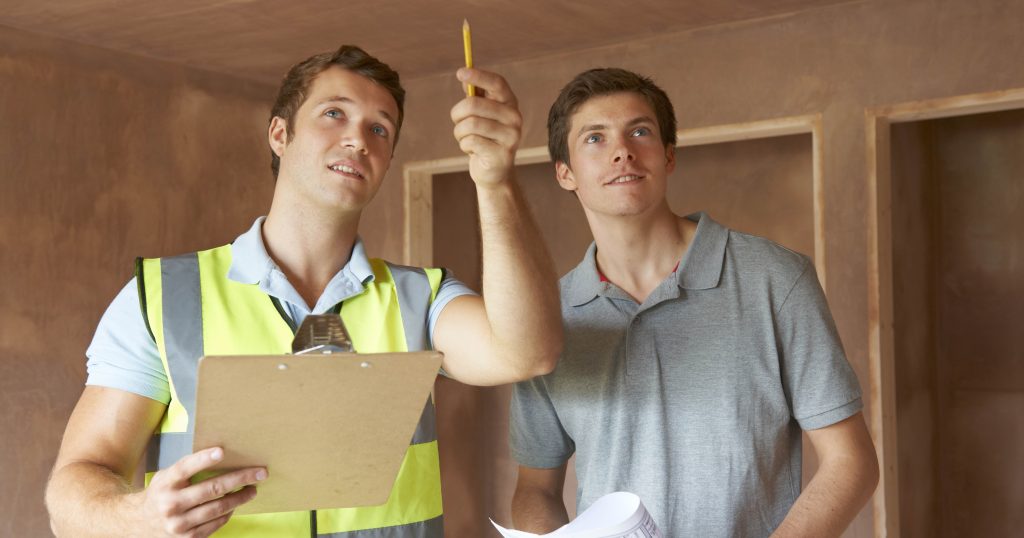
Essential Areas to Inspect
Regular home inspections are vital for maintaining a safe and efficient living environment. Understanding the specific areas in your home that are prone to wear and tear can help you establish a proactive maintenance plan. This not only preserves the longevity of your property but also ensures that potentially costly issues are addressed before they become significant problems.
Outdoor Elements
Your home’s exterior is on the front lines, continually facing various weather conditions such as rain, snow, and UV exposure, all of which can lead to deterioration. Routine checks of the following components can help protect your home:
- Siding and Paint: Regular inspections for peeling paint, cracks, or damage to the siding are crucial. These imperfections can lead to moisture infiltrating your walls, creating an ideal environment for mold growth and structural decay. For instance, a small crack in vinyl siding might seem like a minor issue, but over time, it can result in significant water damage if neglected. Undertaking timely repairs or repaints not only prevents issues but can also boost your home’s curb appeal.
- Driveways and Walkways: Keep an eye on cracks or uneven pavements in your driveways and walkways. Concrete tends to expand and contract with temperature changes, which can lead to fractures. By regularly maintaining these surfaces, you not only avoid extensive repairs but also foster a welcoming entrance to your home that enhances its value.
Plumbing System
The plumbing system is the lifeblood of your home, and its functionality cannot be overstated. Regular inspections are essential to avoid severe damage due to leaks or blockages. Pay attention to the following:
- Visible Pipes: Inspect for signs of corrosion or water stains beneath sinks and in bathrooms. A small leak might not seem problematic, but over time, it can lead to mold growth and structural weakening, resulting in costly repairs.
- Water Pressure: Monitor the water pressure in your home. Unusually low pressure can be a red flag associated with hidden leaks or clogs within your plumbing system. Addressing these issues early can save time and reduce potential water damage.
Basements and Attics
A comprehensive inspection of your basement and attic can uncover hidden problems that may affect the overall structure of your home.
- Ventilation: Proper airflow is vital in both spaces to prevent dampness and mold growth. Review insulation quality and ensure that vents are clear from obstruction. Inadequate ventilation can create a breeding ground for mold, potentially leading to health complications for your family.
- Signs of Pests: Look for droppings or nests, which may indicate pest infestations. Rodents or insects can compromise your home’s structural integrity and create health risks. If you spot such signs, consider enlisting a pest control professional to prevent damage.
Committing to regular inspections of these specific areas not only promotes early detection of potential problems but also allows homeowners to prioritize repairs and maintenance more effectively. Establishing a consistent inspection schedule can significantly mitigate risks and prolong the life of your home’s essential systems.
By proactively understanding and inspecting these critical components of your home, you’re empowered to maintain a safe, comfortable, and durable living environment. This strategic approach to preventative maintenance can lead to substantial cost savings over time while ensuring that your home remains a cherished sanctuary for you and your loved ones. Take the first step today—inspect, maintain, and protect your investment.
The Importance of Regular Home Inspections: Preventative Maintenance Tips
Regular home inspections are critical for identifying potential issues before they escalate into costly repairs. By conducting scheduled inspections, homeowners can maintain the integrity and value of their property. One major advantage is that these inspections can reveal hidden problems such as water leaks, pest infestations, electrical concerns, or structural weaknesses. Identifying these issues early can save homeowners substantial amounts of money in repairs down the line.Furthermore, regular inspections contribute to safety. Homes accumulate wear and tear over time, and systems like HVAC, plumbing, and roofing can fail unexpectedly. Routine assessments can help ensure that all systems are functioning correctly and in compliance with safety standards. Additionally, a well-maintained home can provide peace of mind, knowing that the living environment is healthy and secure for the entire family.To maximize the benefits of home inspections, homeowners should keep a detailed record of inspection findings and address any issues promptly. This proactive approach not only aids in immediate repairs but also boosts the property’s resale value by ensuring that it remains in good condition.To illustrate the advantages of regular home inspections, consider the following table:
| Category | Description |
|---|---|
| Preventative Maintenance | Identifies potential threats to your home, reducing risk. |
| Cost Savings | Early detection of issues leads to less expensive repairs. |
| Enhanced Safety | Ensures home systems meet safety standards and function properly. |
| Increased Property Value | Maintaining a home consistently increases its resale value. |
In conclusion, the importance of regular home inspections cannot be understated. They not only protect your home from unforeseen circumstances but also enhance overall living conditions. By embracing regular inspections, homeowners not only ensure the longevity of their investments but also provide a safer and more comfortable environment for their families.
DON’T MISS: Click here for essential cleaning tips
Interior Inspections
While the exterior and foundational elements of your home are critical, the interior should not be overlooked during routine inspections. Regularly checking specific areas inside your home is key to maintaining comfortable, safe, and efficient living spaces. Let’s dive into some of the essential interior components that merit your attention.
HVAC Systems
Your heating, ventilation, and air conditioning (HVAC) system plays a crucial role in delivering comfort and air quality within your home. An inspection can reveal potential issues that might affect its efficiency:
- Filters: Check and replace air filters every three months to ensure optimal airflow and efficiency. A clogged filter can lead to air quality issues and increased energy costs, as your HVAC system must work harder to maintain the desired temperature.
- Drain Pans and Lines: Inspect the drain pan and lines for any signs of leakage or blockages. Clogged drain lines can lead to unwanted moisture buildup, creating a prime environment for mold growth and water damage.
Electrical System
The electrical system in your home is another area that requires diligence and care. Regular inspections here can mitigate the risks of electrical fires or outages:
- Circuit Breakers: Regularly check your circuit breaker panel for signs of tripped breakers or scorch marks. These indications can signify electrical overloads or short circuits, requiring immediate attention from a licensed electrician.
- Outlets and Switches: Inspect outlets and switches for any damage or loose connections. Any visible scorch marks or warm devices should not be ignored, as they can lead to serious hazards.
Windows and Doors
Sealing your home properly through its windows and doors is essential for energy efficiency and comfort. Here are key inspection points to consider:
- Weatherstripping: Regularly examine weatherstripping and seals around windows and doors for wear and tear. Replacing old or damaged weatherstripping can significantly cut down your heating and cooling costs. A tight seal is essential to prevent drafts that lead to energy loss.
- Glass and Frames: Inspect window glass and frames for cracks or rot. Not only do these issues reduce energy efficiency, but they can also compromise security. Repair or replace damaged components timely to protect against the elements and intruders.
Kitchen and Bathrooms
Two of the most used areas in your home warrant special attention given their role in hygiene and functionality:
- Appliances: Regularly inspect appliances for efficiency and signs of wear. Refrigerators, dishwashers, and ovens require routine checks to prevent breakdowns that can disrupt daily life.
- Grout and Caulk: In bathrooms and kitchens, inspect grout and caulk for cracks or discoloration. Proper sealing protects against moisture infiltration, which can lead to mold and structural issues.
By including these interior inspections in your regular maintenance routine, you not only enhance your home’s safety and efficiency but also contribute to higher property value. Understanding the critical systems in your home and keeping a close eye on their condition will provide you with peace of mind, knowing that you are proactively addressing potential issues before they escalate. Embrace a meticulous approach to home care, and watch your investment thrive for years to come.
DISCOVER MORE: Click here for an effective cleaning strategy
Conclusion
In conclusion, the value of regular home inspections cannot be overstated. They serve as a vital preventative maintenance strategy that not only safeguards your home but also enhances its long-term value. By taking the time to assess both the exterior and interior elements of your property, you equip yourself with the knowledge to address potential issues before they grow into costly repairs. From examining your HVAC systems, electrical components, and windows and doors to checking essential areas like kitchens and bathrooms, a comprehensive approach ensures all critical systems work harmoniously.
Moreover, systematic inspections offer homeowners peace of mind—knowing that they are pro-active in maintaining a safe and efficient living environment. Regular evaluations can also help homeowners stay informed about the well-being of their property, facilitating better negotiation power when it comes time to sell. By prioritizing these preventative maintenance tips, you can create a healthier, more efficient home that stands the test of time.
As the seasons change, consider making home inspections a part of your routine. They are not just about identifying problems; they are an investment in your home’s future. Take the first step today to ensure your property remains a place of comfort and security for you and your loved ones.