The Cost-Effectiveness of Eco-Friendly Cleaning Products: Saving Money While Being Green
The Shift Towards Eco-Friendly Cleaning Products
Today’s consumers are navigating a world where health and sustainability are intertwined. The recent upswing in the preference for eco-friendly cleaning products underscores a broader awareness of environmental issues and personal well-being. But beneath the favorable headlines lies a crucial question: do these sustainable options truly provide economic advantages alongside their ecological benefits?
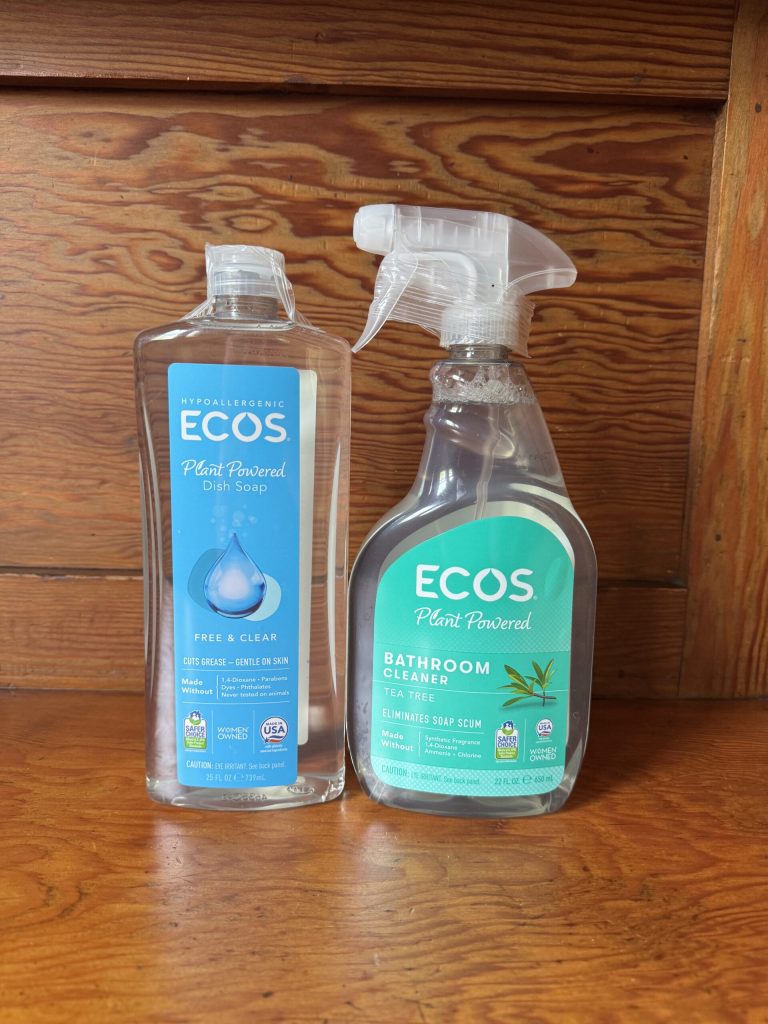
Conventional cleaning agents often contain a cocktail of synthetic chemicals, which can pose risks to both the environment and human health. Eco-friendly alternatives, however, emphasize natural ingredients sourced from plants, thereby avoiding hazardous substances like phosphates, sulfates, and chlorine bleach. This is particularly significant for families with small children or pets, where exposure to harsh chemicals can lead to adverse health effects.
Benefits of Eco-Friendly Cleaning Products
The appeal of eco-friendly cleaning products extends beyond their ingredients. Many of these products boast multi-purpose use, which simplifies cleaning routines and reduces clutter. For example, a single eco-friendly all-purpose cleaner can tackle surfaces ranging from kitchens to bathrooms, negating the need for several specialized products. This versatility contributes to a more streamlined household, potentially freeing up both space and savings.
Another noteworthy aspect is the concentrated formulas that many eco-friendly brands offer. These allow consumers to use less product for the same effective cleaning results, which translates into fewer trips to the store and lower costs over time. For instance, a highly concentrated eco-friendly detergent can wash more loads than its traditional counterpart, making it a more cost-effective purchase in the long run.
Cost Savings and Health Benefits
Moreover, users frequently report that eco-friendly products are longer-lasting, requiring fewer applications to achieve desired cleanliness. This can lead to noteworthy savings, especially for households that frequently purchase cleaning supplies. Additionally, the financial implications of avoiding chemical-related health issues cannot be overstated. By reducing the likelihood of illnesses related to toxic chemical exposure, households may experience cost savings from fewer doctor’s visits and lower healthcare expenditures.
In a broader context, promoting a cleaner and safer environment fosters happier households. The psychological benefits of living in a space free from volatile organic compounds (VOCs) and other harmful pollutants contribute to overall well-being. Families can enjoy peace of mind knowing they are fostering healthier surroundings for both themselves and the planet.
As we delve into practical examples and current trends, the narrative of cost-effective eco-friendly cleaning products becomes increasingly compelling. With a growing number of options available in the market, consumers have the power to make choices that resonate with their values without compromising their budgets. Are eco-friendly cleaning products the prudent option for budget-conscious households aiming for sustainability? The evidence suggests they are not just a responsible choice but also a savvy financial strategy.
DISCOVER MORE: Click here for eco-friendly maintenance tips
Evaluating the Economic Impact of Eco-Friendly Choices
The cost-effectiveness of eco-friendly cleaning products is a nuanced topic, often explored through various economic lenses. While the upfront cost of these sustainable products may sometimes appear higher than traditional cleaners, a closer examination reveals a different story that can lead to significant long-term savings.
One of the primary factors contributing to the cost-effectiveness of eco-friendly cleaning supplies is their concentrated formulation. These products are designed to be more potent, allowing consumers to use smaller quantities for effective cleaning. For instance, many eco-brand laundry detergents require only a single capful per load, as opposed to the larger amounts recommended for conventional brands. This can lead to price comparisons that favor eco-friendly products over time:
- A typical eco-friendly detergent may cost around $15 for 64 loads, resulting in approximately $0.23 per load.
- In contrast, a conventional detergent priced at $10 for 32 loads averages out to $0.31 per load.
As these figures illustrate, the perception of higher initial costs can be misleading. The efficient usage inherent in eco-friendly products offsets the initial price, making them a savvy choice for households looking to stretch their cleaning budget.
In addition to concentrated formulas, eco-friendly cleaning products often come in biodegradable packaging, which not only lessens environmental impact but can also decrease waste disposal costs. For consumers who may pay for waste removal based on volume, the shift to eco-friendly products could lead to reduced expenses in this area as well.
Furthermore, as consumers lean more into a lifestyle dedicated to wellness and sustainability, the financial advantages extend beyond immediate product costs. For instance, households that proactively choose eco-friendly options are likely to experience lower healthcare costs. Exposure to harmful chemicals commonly found in traditional cleaners has been associated with respiratory issues, skin irritations, and other health concerns. By eliminating these toxic substances, households may see a reduction in doctor visits and health-related expenses over time.
Another significant component of the economic impact of eco-friendly cleaning products lies in their multi-functional design. Many eco-friendly cleaners serve a variety of purposes—acting as disinfectants, surface cleaners, and even air fresheners—allowing consumers to purchase fewer products overall. This multifaceted approach not only reduces clutter but also streamlines shopping trips, which is an appealing factor for busy families and individuals alike.
To summarize, the initial price point of eco-friendly cleaning products can be offset by their concentrated formulas, multi-use capabilities, and the potential for long-term health-related savings. As consumers increasingly consider their purchasing choices, they discover that adopting a green cleaning regimen can be both financially viable and a step towards a healthier environment, encouraging a movement that prioritizes sustainability without the compromise of personal finances.
| Category | Advantages |
|---|---|
| Cost Savings | Eco-friendly cleaning products often come with a lower price tag compared to conventional options, especially when made from everyday household items such as vinegar and baking soda. |
| Health Benefits | Using non-toxic formulas found in eco-friendly products reduces exposure to harmful chemicals, promoting a safer environment for families and pets. |
| Long-term Value | Higher durability of eco-friendly products may lead to fewer purchases over time, enhancing overall cost-effectiveness. |
| Sustainability | Support for environmental initiatives can also translate to savings through local tax incentives for using sustainable products. |
The advantages of eco-friendly cleaning products extend beyond mere financial incentives. By opting for sustainable products, consumers take part in a broader movement that emphasizes personal health and environmental responsibility. Consider that traditional cleaning agents often contain volatile organic compounds (VOCs) which can harm indoor air quality and pose health risks. In contrast, eco-friendly alternatives are generally safer, focusing on biodegradable ingredients that minimize ecological impact. Moreover, the initial investment in eco-friendly supplies could yield substantial savings in the long run, as they often boast concentrated formulas requiring less per use. Understanding these dynamics not only reveals a compelling case for adopting green cleaning practices but also underscores a commitment to a healthier planet. As consumers become more aware of these factors, the shift towards eco-friendly cleaning products is likely to gain even more momentum, promising both immediate and lasting benefits.
DIVE DEEPER: Click here to learn more
Unlocking Hidden Savings Through Sustainable Choices
While the immediate financial implications of eco-friendly cleaning products present a compelling case for their adoption, it’s crucial to delve deeper into the hidden savings that come from making environmentally conscious decisions. In addition to direct cost comparisons, several overlooked factors can influence the overall economic impact of green cleaning products.
One of the most intriguing aspects of eco-friendly cleaning supplies is their durability and efficiency. Many brands invest in research and development to create products that deliver powerful cleaning without harsh chemicals. For example, vinegar and baking soda, staples of green cleaning, are not only affordable but also incredibly efficient at tackling tough stains and odors. The cost of purchasing these simple ingredients is minimal compared to the price of a specialized cleaner that contains toxic chemicals, which may require reapplication or additional products for optimal results.
Moreover, adopting eco-friendly cleaning habits can lead to a longer lifespan for household items. Traditional cleaning agents, particularly abrasive ones, can degrade surfaces, fabrics, and appliances over time. By using gentler, eco-friendly alternatives, consumers can protect their investments—think less wear on kitchen counters, longer-lasting upholstery, and fewer repairs on household appliances. This preservation translates to savings that accumulate significantly over time, making eco-friendly choices not only an ethical stance but a financially savvy one too.
Another consideration is the potential impact on energy efficiency. Many eco-friendly cleaning products are designed to work effectively with cold water, reducing the energy costs associated with heating water for laundry or cleaning. For households with washing machines that consume significant power, this choice can lead to noticeable electricity bill reductions. According to the U.S. Department of Energy, heating water accounts for around 18% of a typical home’s energy costs. Therefore, transitioning to products that require cold-water use can also substantively decrease a household’s overall energy expenses.
Furthermore, eco-friendly cleaning products often contain plant-derived ingredients, which have the dual benefit of being gentler on both human health and the environment. The inclination towards using safer products helps cultivate better indoor air quality, resulting in fewer missed days at work or school due to illnesses often triggered by poor air conditions. This can lead to additional financial savings through enhanced productivity, reduced absenteeism, and ultimately, lower healthcare costs associated with respiratory problems and allergies.
- Durable products: Avoid frequent replacements due to less wear and damage.
- Energy conservation: Save on electricity by using cold water for cleaning tasks.
- Reduced healthcare costs: Less likelihood of illnesses from toxic exposure translates to financial savings.
Beyond the upfront costs, the larger picture illustrates that the benefits of switching to eco-friendly cleaning products extend well beyond the shopping cart. Setting the foundation for a healthier home and a thriving environment not only aligns with ethical values but also reveals substantial financial incentives. As the green movement continues to gain momentum in the United States, understanding these interconnected savings will be essential for households aiming to optimize their finances while nurturing a sustainable lifestyle.
DISCOVER MORE: Click here for stress-free maintenance tips
Final Thoughts on Eco-Friendly Cleaning Products
In conclusion, the cost-effectiveness of eco-friendly cleaning products proves that making green choices is both a financially and environmentally sound strategy. By examining the broader economic landscape beyond initial price tags, we uncover various hidden savings associated with adopting sustainable cleaning habits. The durability and efficiency of these products not only minimize regular expenditure on replacements but also extend the lifespan of household items, protecting our investments over time.
The energy savings from using eco-friendly products that operate effectively in cold water further lower overall household costs, a factor that carries significant weight given that heating water is a primary source of energy consumption in American homes. Additionally, the health benefits associated with plant-based ingredients translate into fewer healthcare expenses related to respiratory issues and allergies, resulting in an enhanced quality of life.
As we transition towards a more sustainable future, it’s essential to recognize that the journey of eco-conscious living goes hand-in-hand with sound financial management. Households eager to maximize savings should not overlook the profound fiscal benefits layered within the eco-friendly paradigm. By prioritizing green cleaning products, consumers are not just saving money; they are investing in a healthier home and a cleaner planet. For those looking to delve deeper, exploring local eco-friendly brands and practices can be a great starting point to join the green movement while maintaining a budget-friendly lifestyle.