Simplified Spaces for Children: How Minimalism Can Foster Creativity and Independence

The Importance of Minimalism in Child Development
In a world filled with overstimulation and a constant influx of information, crafting a nurturing environment for children is vital. As parents strive to provide the best upbringing for their kids, adopting a minimalist approach can significantly enhance the developmental journey of young minds. By simplifying their surroundings, families can create spaces that not only promote creativity but also cultivate a sense of independence.
Embracing minimalism requires a deliberate effort to reduce clutter and emphasize functionality in children’s spaces. A minimalist environment is not just about having fewer items; it’s about intentionality in design and purpose. Key features of these simplified spaces may include:
- Decluttered areas: A tidy environment significantly enhances a child’s ability to focus. Research indicates that children can concentrate better in spaces where distractions are limited. For instance, instead of a room stuffed with toys, a few well-chosen items can encourage deeper play.
- Functional furniture: Incorporating furniture designed for children, such as adjustable tables and chairs, allows kids to engage independently with their surroundings. This independence nurtures self-sufficiency, empowering them to use their environment to its full potential.
- Open spaces: Empty areas facilitate free play and imaginative exploration. Without predefined purposes for every corner, children can invent their own games, fostering creativity and resilience through unstructured playtime.
Psychological studies underscore the importance of exploration and creative spaces for children. Eliminating excess stimulates a child’s decision-making skills; with fewer toys available, kids learn to make deliberate choices and innovate in how they play. Moreover, the act of solving problems with limited resources encourages critical thinking. When children learn to work with what they have, they develop a sense of resourcefulness that can serve them well throughout life.
Another essential benefit of minimalist spaces is the promotion of collaboration. Shared areas devoid of excessive clutter create opportunities for interaction among children. Whether sharing toys or engaging in group activities, children learn essential social skills through teamwork and cooperation.
As families across the United States increasingly embrace minimalism as a lifestyle, understanding its impact on child development is crucial. Studies show that children raised in thoughtfully curated environments tend to exhibit higher levels of imagination and self-confidence. The question remains: can the design and arrangement of our children’s spaces serve as a gateway to unlocking their fullest potential? The exploration into the benefits of minimalist living is just beginning, encouraging parents to rethink how they can create enriching environments for the next generation.
DISCOVER MORE: Click here for insights on mindful living
Creating Environments That Encourage Exploration
To fully appreciate the role of minimalism in fostering creativity and independence in children, it’s essential to understand how their environments affect their behavior and learning. A child’s surroundings can significantly influence their emotional well-being and capacity for imaginative play. By intentionally designing simplified spaces, parents can set the stage for exploration and innovation.
One of the fundamental elements of minimalist spaces is the idea of “less is more.” When children are presented with fewer items, such as toys or decorative elements, they are often drawn to engage with them more meaningfully. This can lead to several beneficial outcomes:
- Enhanced Focus: With fewer distractions present, children can dedicate their attention to a single task. Research shows that environments laden with visual clutter can overwhelm youngsters, making it difficult for them to concentrate. A clean, organized space allows them to hone in on creative projects or imaginative play without unnecessary interruptions.
- Improved Problem-Solving Skills: When faced with limited resources, children are compelled to think critically and innovate. For example, using common household items as props in storytelling invites creativity, as children adapt their environments to fulfill their own narratives.
- Greater Sense of Agency: Minimalism empowers children by providing them with intentional, accessible choices. A curated selection of toys encourages them to decide what sparks their interest, allowing them to engage with their surroundings independently. This freedom can foster a sense of responsibility and accountability for their choices.
In addition to these cognitive benefits, simplified environments can profoundly impact a child’s emotional development. Minimalism often includes elements designed to promote calmness and focus, using techniques like muted color palettes and soothing textures. Spaces that feel peaceful can help to reduce anxiety, ultimately paving the way for exploration and curiosity.
Moreover, the incorporation of functional furniture tailored for children boosts their sense of independence. Adjustable, child-sized tables and chairs give kids the autonomy to arrange their learning environments as they see fit, promoting self-sufficiency. By encouraging them to find their own spaces for creativity, parents empower their children to develop preferences and routines that suit their individual learning styles.
As more families in the United States recognize the transformative potential of minimalism, an increasing number are rethinking how they craft their children’s spaces. Studies suggest that minimalist environments can lead to higher levels of both creativity and resilience, building a generation that is not only imaginative but also equipped to navigate life’s challenges. In this journey towards simplification, the prioritization of thoughtful design can unveil profound possibilities for nurturing the next generation.
In exploring the concept of minimalist spaces, it’s important to understand how such environments can enhance a child’s ability to think creatively and act independently. By eliminating distractions, children can focus better on their tasks and engage in deep imaginative play. Minimalism does not mean absence, but rather the intention to create an organized environment that encourages exploration and learning.
Take, for example, the idea of a clutter-free playroom. By providing only a select few toys and resources, children are encouraged to utilize their imagination, often converting everyday items into tools for play. Instead of being overwhelmed by numerous options, they learn to appreciate and make the most of what they have. This fosters not only creativity but also critical thinking and problem-solving skills as they devise new ways to interact with their limited resources.
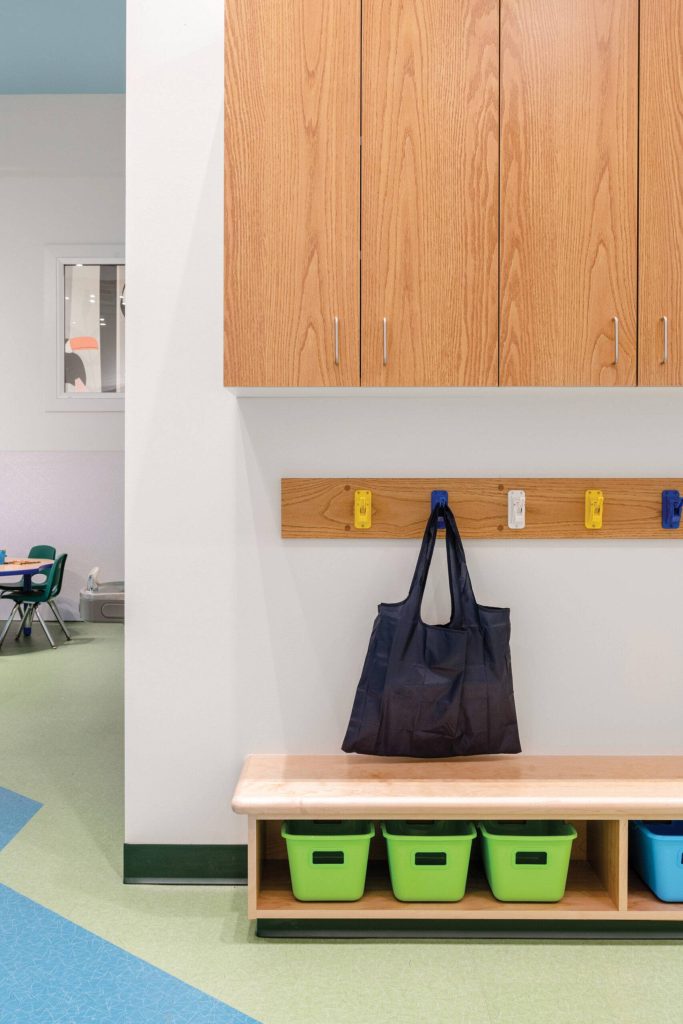
Additionally, minimalist design can greatly impact a child’s sense of responsibility and self-management. By having designated spaces for their belongings, children learn to take care of their environment. They develop organizational habits early on, understanding that they must return items to their appropriate places after play. This instills a sense of independence as they can navigate their space without constant adult intervention.
Implementing simplicity in children’s spaces encourages mindfulness about consumption as well. When children are taught the value of fewer belongings, they learn to cherish and care for their possessions. This not only extends to their material items but influences their relationships and interactions, promoting a sense of gratitude over entitlement.
Furthermore, it’s essential to highlight that minimalist environments can contribute to emotional stability. A peaceful and organized space can reduce anxiety and stress, which is particularly beneficial in a world filled with overwhelming stimuli. Children thrive in secure settings where they feel calm, safe, and free to express themselves.
| Advantages | Creative Outcomes |
|---|---|
| Enhanced Focus | Children can engage in deep imaginative play without distractions. |
| Promotes Responsibility | Encourages children to manage their own belongings and space, fostering independence. |
| Reduces Stress | A calm environment helps children feel safe and promotes emotional well-being. |
As we delve deeper, it becomes evident that embracing minimalism in children’s spaces is not merely a trend; it lays the foundation for a richer, more engaged childhood. A well-curated setting unfolds vast possibilities for creativity and independence that children can explore. The journey into a simplified lifestyle reveals layers of growth that can enhance not only childhood experiences but also lifelong habits.
DIVE DEEPER: Click here to discover the power of clutter reduction
The Power of Mindful Consumption
As we delve deeper into how minimalism can cultivate creativity and independence in children, it’s important to examine the broader impact of mindful consumption on their development. In a culture often driven by consumerism, teaching children to appreciate simplicity can become a powerful tool for lifelong learning and growth. By emphasizing quality over quantity, parents can guide their children toward making deliberate choices both in their environments and their lives.
By embracing minimalism, families create an opportunity to foster values such as gratitude and mindfulness. When children learn to value their belongings, they develop a deeper connection to their personal items. For instance, rather than accumulating countless toys, parents can focus on selecting a handful of multifunctional toys that stimulate various types of play. This approach not only reduces clutter but also encourages children to explore and reimagine these treasured items in multiple contexts.
In addition to a curated selection of toys, parents can incorporate a range of natural materials and open-ended resources into children’s play areas. Items like wooden blocks, fabric squares, or even stones can promote creativity, allowing children to build, create, and transform environments with simple yet versatile tools. Research indicates that interaction with natural materials fosters sensory exploration and enhances cognitive development, all while sparking imagination.
Encouraging Routine and Autonomy
Minimalist environments extend beyond simplicity in appearance; they also promote autonomy through established routines. By maintaining a regular structure for daily activities, parents can help their children build a strong sense of independence. For example, by allocating specific times for free play, reading, or crafting, children become aware of their responsibilities within that framework, fostering ownership over their time and space.
Additionally, allowing children to personalize their spaces reinforces their sense of agency. Whether it’s choosing where to place their favorite artwork or rearranging a reading nook, engaging children in the design of their environments helps them feel more connected to those spaces. This connection is crucial as it drives them to utilize those areas effectively, nurturing both creativity and decision-making skills.
Lessons in Sustainability
Minimalism also provides invaluable lessons in sustainability—an important topic in the modern educational narrative. By engaging children in discussions about the environmental impact of consumerism, parents can bolster awareness of their surroundings and guide them toward making conscientious choices. This can be achieved through practices such as recycling, upcycling, and learning the origins of their toys and materials. For instance, involving children in the selection of second-hand or sustainably-made products opens a dialogue about the significance of preserving our planet for future generations.
This emphasis on sustainability dovetails neatly with minimalism’s core tenets. As children come to understand the environmental footprint of their choices, they are more likely to appreciate the value of simplicity, fostering creativity that aligns with responsible stewardship. Ultimately, helping children embrace a mindset of conservation can pave the way for the development of both imaginative thinkers and conscientious adults.
As the minimalist movement continues to gain traction in various facets of life, it shapes how families view their shared environments. By creating thoughtful spaces that stimulate exploration while teaching mindfulness, parents can nurture a generation that approaches creativity and life itself with purpose and intention.
DISCOVER MORE: Click here to learn about the significance of simplified spaces
Embracing Minimalism for Holistic Development
In conclusion, simplified spaces for children, rooted in the principles of minimalism, offer an innovative approach to fostering not only creativity but also independence. By imparting lessons in mindful consumption, parents can help their children develop an appreciation for quality and simplicity, ultimately shaping their perspectives as they grow. This environment encourages children to engage with their belongings and surroundings in deeper, more meaningful ways, allowing their natural creativity to flourish.
Furthermore, the role of routine and autonomy becomes increasingly evident in minimalist settings. Establishing clear daily structures not only empowers children to make choices but also instills a sense of responsibility towards their own growth. When children can personalize their spaces, they become active participants in their own learning and discovery, nurturing both confidence and imaginative thinking.
Integrating sustainability into the minimalist ethos amplifies the impact of these practices. Encouraging children to consider the environmental implications of their decisions instills a sense of stewardship that extends beyond their personal lives. As they become mindful of their consumption patterns, they are poised to emerge as not just creative thinkers but also responsible global citizens.
Ultimately, as parents embrace the minimalist movement, they set a precedent for a lifestyle that values creativity, autonomy, and sustainability. By prioritizing simplified spaces that promote exploration and mindful interactions, families can cultivate an enriching environment that prepares children for a purposeful and intentional life ahead.