Simplified Spaces and the Practice of Mindfulness: Creating Environments that Promote Presence and Concentration

The Importance of Mindful Spaces in a Fast-Paced World
In an era where stress levels are at an all-time high and distractions abound, the quest for mindfulness has become a crucial pursuit for many. As individuals seek solace from the chaos of modern life, the creation of simplified spaces has emerged as an effective strategy to cultivate a sense of calm and focus. These thoughtfully designed environments not only help alleviate anxiety but also enhance one’s ability to be present and concentrated.
To foster mindfulness through our surroundings, we can incorporate several key elements into our spaces:
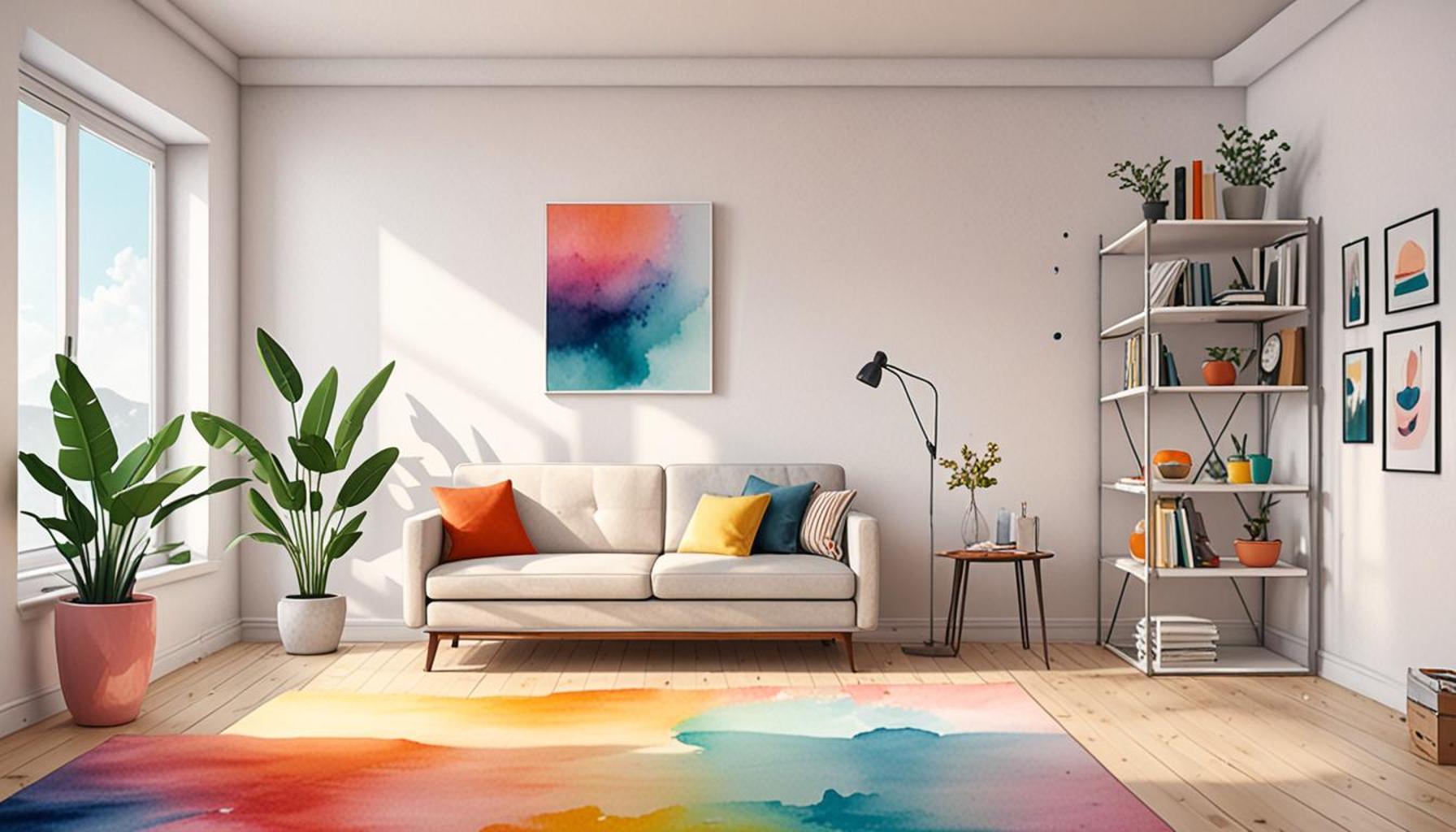
- Decluttered Surfaces: When surfaces are organized and free from excessive items, they can significantly reduce visual distractions. For instance, a simple desktop clear of clutter can allow for better focus while working on important tasks. Feng Shui, an ancient Chinese practice, supports the idea that a tidy environment promotes positive energy flow.
- Natural Light: Sunlight has the power to elevate mood and boost productivity. Open blinds, use sheer curtains, or place mirrors to reflect light and brighten up a room. Research indicates that exposure to natural light can improve sleep quality and overall well-being, enabling a more mindful start to the day.
- Soothing Colors: Paint your walls in soft, neutral tones like pale blues or earthy greens that promote tranquility. According to color psychology, these hues can lower blood pressure and create an atmosphere conducive to relaxation and focus. Consider incorporating these colors into home offices or meditation corners.
Beyond aesthetics, the integration of these features has proven practical implications. Recent studies highlight that environments reflecting simplicity can lower stress levels and enhance cognitive function. For instance, participants in decluttered spaces demonstrated improved memory retention and problem-solving capabilities compared to those in cluttered environments.
So, how can we seamlessly integrate these principles into our daily lives? With intentional steps, anyone can transform their living or working spaces into true havens for mindfulness. This involves not only rethinking the layout of existing spaces but also considering the feelings associated with various settings. Regularly assessing and modifying your environment to make it more serene can lead to profound changes in one’s mental clarity and emotional stability.
In conclusion, creating mindful spaces is about more than mere aesthetics; it’s about crafting environments that nurture the mind and soul. By taking small but impactful steps, we can make every moment count, allowing us to navigate a world that often feels overwhelming with grace and poise.

DIVE DEEPER: Click here to discover more about intentional choices
Designing for Mindfulness: Elements That Enhance Focus
To cultivate environments that enhance mindfulness, we must focus on specific design elements that resonate with our innate need for tranquility and clarity. The following core components are essential in shaping simplified spaces conducive to maintaining presence and concentration:
- Functional Furniture: Choosing multi-purpose furniture can declutter a room while maximizing functionality. For example, a sleek, minimalist desk with integrated storage can keep essentials within reach but out of sight, facilitating a serene work atmosphere. In addition, ergonomic seating can contribute to comfort and reduce physical strain, allowing the mind to engage fully in tasks without the distraction of discomfort.
- Greenery and Nature: Bringing elements of nature indoors, such as plants or water features, can significantly enhance a space’s serenity. Studies indicate that interaction with nature lowers cortisol levels, which in turn reduces stress and promotes cognitive performance. Consider filling your workspace with low-maintenance indoor plants like jade or snake plants to create a calming environment that fosters concentration.
- Mindful Technology Use: In our digitally-driven era, integrating technology into mindful spaces requires intentionality. Establish zones where screens are minimized, fostering engagement with the physical environment around us. Implementing tech-free times can also help in breaking the cycle of digital distractions, allowing individuals to immerse themselves in their tasks or even in meditation practices.
Research underscores the impact of these design choices on our mental well-being. A study published in the Journal of Environmental Psychology found that individuals working in environments with plant life experienced a 15% increase in productivity. Furthermore, a well-planned workspace can facilitate creativity and problem-solving, ultimately enhancing performance.
To truly tap into the potential of these simplified spaces, it is important to engage in regular self-inquiry about the effectiveness of your environment. Ask yourself: Does this space inspire calm? Is it conducive to focus? By periodically evaluating your surroundings, you can make adjustments that continually foster mindfulness and presence. Implementing calming rituals, such as a daily cleanup or moment of reflection, can further align your environment with the principles of mindfulness.
Ultimately, simplified spaces do more than just look good; they serve a purpose by nurturing mental clarity, emotional resilience, and a deep sense of connection to the present. By thoughtfully curating your environment, you position yourself not only to thrive amidst the demands of modern life but also to create a sanctuary that inspires mindfulness and allows for sustained concentration.
| Advantage | Description |
|---|---|
| Simplified Design | Less clutter leads to reduced distractions, allowing individuals to focus on the present moment. |
| Enhanced Well-being | Calm and serene environments can significantly improve mental health, fostering a sense of peace. |
| Increased Productivity | An uncluttered space enhances focus and concentration, ultimately leading to greater task efficiency. |
| Mindfulness Practices | Incorporating elements like meditation areas can promote daily mindfulness routines, enriching overall life quality. |
The concept of creating environments that promote presence and concentration is particularly resonant in today’s fast-paced world. Many individuals find themselves overwhelmed by the barrage of stimuli around them, leading to difficulties in focusing and maintaining a sense of calm. Simplified spaces act as a remedy, allowing the mind to breathe and engage with the present moment more fully.Moreover, fostering mindfulness through environmental design isn’t just about aesthetics; it’s about creating a holistic approach that encompasses both physical and mental wellness. Factors such as natural light, plants, and ergonomic furniture play pivotal roles in enriching this experience. For those intrigued by the depths of mindfulness, exploring these dimensions of spatial design offers a pathway to personal growth and tranquility, inviting a deeper understanding of one’s own mental landscape. By embracing these principles, individuals can pave the way towards a more concentrated and fulfilling existence.
DISCOVER MORE: Click here to gain insights
Creating Atmospheres of Tranquility: Color and Lighting
As we delve deeper into the realm of simplified spaces designed to enhance mindfulness, the role of color and lighting emerges as a crucial factor that can significantly influence our mental state. The choices we make in these areas not only shape our physical surroundings but also elicit emotional responses that either promote or hinder our ability to concentrate.
- Color Psychology: Colors can profoundly impact our mood and productivity. For instance, shades of blue are often associated with calmness and clarity, making them ideal for spaces meant for reflection or concentration. Conversely, vibrant colors like yellow may enhance creativity but can also promote overstimulation if overused. A balanced approach often works best, with neutral tones such as soft grays or earthy palettes providing a serene backdrop that allows the mind to focus without distraction.
- Natural and Artificial Lighting: Lighting plays an essential role in creating a mindful environment. Natural light has been shown to boost mood and energy levels, influencing overall cognitive function. To maximize natural light, consider using sheer window treatments or strategically placing mirrors to reflect daylight throughout the space. In contrast, when natural light is limited, artificial lighting should be warm and adjustable, allowing users to mimic the calming effects of sunlight. Incorporating dimmable options or smart lighting systems that can adapt to circadian rhythms can further enhance focus and clarity.
Research conducted by the Interiors Journal highlights the correlation between lighting qualities and worker performance, underlining a 20% increase in productivity in spaces with well-thought-out lighting designs. Taking this into account, it becomes clear that designing for optimal lighting is not merely an aesthetic consideration but a vital aspect of establishing a mindful workspace.
Soundscapes: The Underlying Rhythm of Mindfulness
In the pursuit of simplified spaces, sound often remains an overlooked component in fostering mindfulness. The auditory environment can either anchor us in the moment or lead us into distractions. Thus, a thoughtfully curated soundscape is integral to creating an atmosphere that promotes presence and concentration.
- White Noise and Ambient Sounds: Research indicates that consistent background noise, such as white noise or calming soundscapes, can improve focus and reduce anxiety. Sounds reminiscent of nature, like gentle rain or rustling leaves, can evoke tranquility, encouraging a deeper engagement with tasks. Implementing sound machines or ambient playlists as background elements may create a gentle aural landscape that diminishes the mental chatter associated with busy environments.
- Mindful Sounds: In contrast, silence can also have its place within a mindful environment. Designers can incorporate dedicated ‘quiet zones’ where intentional silence allows individuals to reflect or meditate without interruption. This balance between ambient noise and silence provides a dynamic auditory framework that aids concentration and enhances the overall experience of the space.
Combining these auditory elements with other design considerations reinforces a holistic approach to mindfulness. The incorporation of intentional sound strategies fosters not only a productive work environment but also sustains a sense of calm that permeates through daily activities. As we explore the full potential of simplified spaces, it becomes evident that every element, from color to sound, plays a pivotal role in unlocking the benefits of mindfulness and presence in our lives.
EXPLORE MORE: Click here to dive deeper
Conclusion
In the quest for enhanced wellbeing and productivity, simplified spaces dedicated to mindfulness offer a thoughtful solution that can transform our environments into sanctuaries of focus and calm. By consciously integrating elements such as color, lighting, and soundscapes, we can create atmospheres that not only foster presence but also actively diminish distractions that sabotage our concentration.
The impact of thoughtful design is substantiated by research pointing to significant increases in productivity when environments are tailored to support mental clarity. Embracing a palette of soothing colors and choosing the right lighting conditions can profoundly affect our emotional responses and cognitive performance. Furthermore, curating an aural environment, with careful attention to what sounds we invite into our spaces—whether it be the gentle hum of nature or intentional silence—can enrich our mindfulness practice.
As we reflect on the principles outlined in this article, we are encouraged to reevaluate our own surroundings and consider how small yet deliberate changes can lead to substantial improvements in our mental landscape. The transformation into a space that promotes concentration and well-being is not an overnight task. However, with focus on the intricate details of design and environment, we can cultivate a lifestyle that embraces mindfulness at its core. By doing so, we unlock a valuable harmony between our surroundings and our state of mind, inviting a more present, aware, and productive way of living.