Simplified Spaces and the Connection with Nature: Integrating Natural Elements in Minimalist Environments

Embracing Minimalism with Nature
The modern world, with its relentless pace and continual stimulation, often leaves individuals yearning for solace. The minimalist movement is responding to this need, offering a pathway to tranquility through simplified spaces that deeply resonate with natural surroundings. Integrating natural elements into minimalist designs not only enhances aesthetic appeal but also brings significant health benefits. In a society increasingly aware of the importance of well-being and sustainability, this lifestyle choice has gained considerable traction.
- Enhancing Well-being: Research indicates that environments featuring natural elements—from indoor plants to wood accents—can significantly reduce stress levels and improve mental health. A study published in the journal *Environmental Science & Technology* revealed that just a few minutes spent in nature can lead to increased creativity and reduced anxiety. Imagine having a serene reading nook illuminated by natural light streaming through large windows, surrounded by lush greenery. Such spaces encourage mindfulness and relaxation, essential for nurturing mental wellness.
- Sustainable Living: By opting for eco-friendly materials such as bamboo, reclaimed wood, or non-toxic paints, individuals not only design aesthetically pleasing spaces but also contribute to sustainability. This conscious choice can significantly reduce one’s carbon footprint. For example, using recycled materials in furniture design not only supports local artisans but also promotes a circular economy. In cities like Portland and San Francisco, consumers are increasingly drawn to brands that prioritize sustainability, further fueling the trend of eco-friendly homes.
- Visual Serenity: A clean and uncluttered environment helps foster peace and calm, which is vital in today’s fast-paced world. Creating spaces that prioritize minimalism involves decluttering and selecting only essential items that evoke joy and purpose. Consider the impact of a living area devoid of excess furniture and filled solely with carefully chosen decorative elements inspired by nature. Such an approach not only creates visual harmony but also promotes a lifestyle rooted in simplicity.
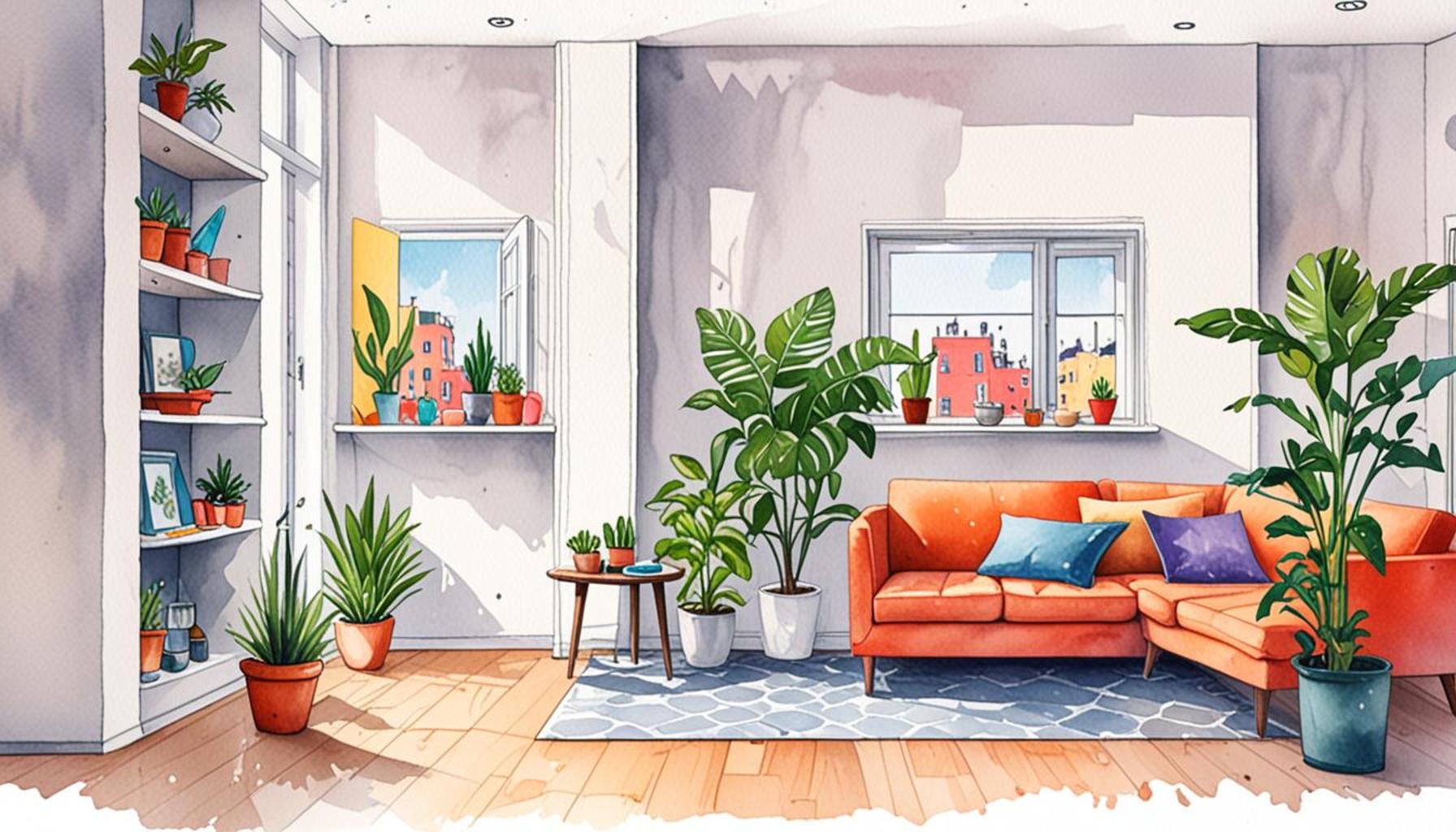
Visualize a home where every element tells a story—where organic textures abound, expansive windows invite sunlight, and thoughtfully placed indoor plants breathe life into carefully curated spaces. These components not only elevate the aesthetic but also cultivate a profound connection to the natural world.
As urban living spaces become more confined, the necessity of incorporating natural elements into our homes becomes increasingly apparent. The challenge lies in learning how to create simplified spaces that harmonize with the environment while consciously reflecting individuality. For those looking to elevate their surroundings, this journey offers both aesthetic joy and personal fulfillment.
Join us as we delve deeper into practical methods for crafting minimalist environments infused with nature’s beauty. We will explore innovative design techniques and sustainable practices that foster both simplicity and connectivity—ultimately inviting a refreshing breath of air into our homes and hearts.
DISCOVER: Click here for tips on boosting your daily productivity
Transforming Spaces Through Nature
The concept of minimalist design today is more than just a visual preference; it serves as a vital bridge connecting our daily lives with the tranquility of nature. As urban environments burgeon and spaces become tighter, the need for an integrated approach in home design becomes increasingly vital. This entails a thoughtful exploration of how to include aspects of the natural world within our living spaces—bringing forth not only beauty but also emotional and psychological benefits.
One of the fundamental methods of achieving this connection is through the inclusion of biophilic design, a concept that promotes natural light, ventilation, and the presence of greenery in built spaces. Studies reveal that when people are enveloped by nature-inspired environments, their productivity and overall happiness increase dramatically. A surprising statistic from a report by the World Green Building Council highlights that homes featuring large windows that frame outdoor views can boost mood by as much as 15%. This is a clear indication that our surroundings can have a profound impact on our day-to-day experiences.
- Natural Light: Large windows, skylights, and open floor plans that invite natural light can create a seamless transition between indoors and outdoors. This not only highlights architectural beauty but also fosters a sense of openness and well-being.
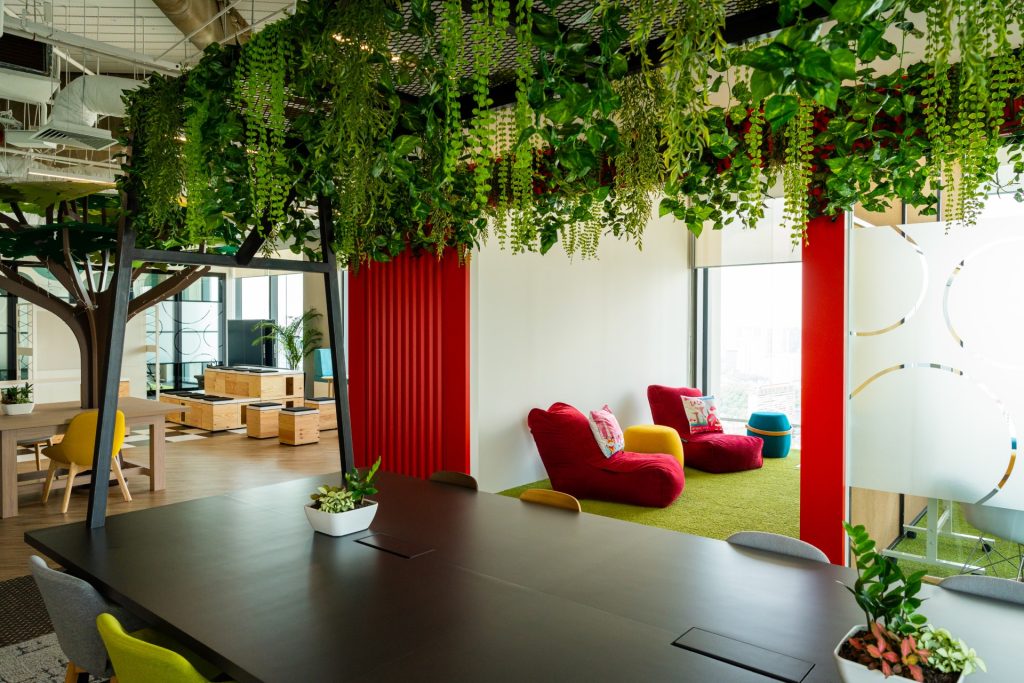
- Incorporation of Greenery: Houseplants, living walls, and even small indoor gardens can add a refreshing touch to any minimalist space. Notably, varieties such as snake plants or pothos are well-known for their air-purifying capabilities and resilience, making them ideal candidates for minimalist homes, where simplicity reigns supreme.
- Organic Materials: The use of materials like stone, wood, and natural fibers fosters warmth and texture while ensuring that each component connects back to nature. Choosing sustainably sourced wood or moss wall art enhances the eco-friendly ethos of the home.
Furthermore, the arrangement and selection of furniture play a crucial role in maintaining a simplified yet connected space. Minimalist design encourages adherence to functionality and intention. Instead of overwhelming a space with excess, the focus is on a few carefully chosen pieces that serve a purpose. For instance, a reclaimed wood dining table can become a centerpiece that encapsulates both sustainability and style, drawing attention while still allowing for unencumbered flow within the space.
As individuals increasingly recognize the urgency of creating sanctuaries from the chaos of daily life, the amalgamation of nature and minimalism presents a unique opportunity. By reimagining spaces that prioritize connection with the environment, we can cultivate not just aesthetic pleasure but also a lifestyle that is grounded in peace and clarity. This integration is not merely about design; it is about fostering a holistic way of living that promotes harmony between ourselves and the world around us.
| Advantages | Impact on Living Spaces |
|---|---|
| Enhanced Well-being | Natural elements like plants improve air quality and reduce stress levels. |
| Visual Harmony | Use of organic materials creates a calming and cohesive aesthetic. |
| Sustainability | Integration of recycled natural materials reduces environmental impact. |
| Creativity and Inspiration | Natural compositions stimulate innovative thinking and creativity in design. |
Incorporating natural elements in home design has a profound influence on the atmosphere of living spaces. By doing so, one can achieve enhanced well-being, as seen in the positive effects of greenery on mental health. For instance, homes adorned with houseplants not only purify the air but also contribute to a tranquil environment, allowing dwellers to unwind and reconnect with themselves. Moreover, the visual harmony created through the careful selection of organic materials fosters a calming and cohesive aesthetic. The choice of soothing colors and textures derived from nature can transform a stark minimalist space into a warm sanctuary, merging functionality with beauty.Prioritizing sustainability in design also contributes positively to the environment. The use of recycled natural materials not only conserves resources but also communicates a commitment to ecological responsibility. Each component, whether it be reclaimed wood or stone, adds character while lessening the carbon footprint.Lastly, the connection to nature ignites a surge of creativity and inspiration. Natural elements can play a crucial role in sparking innovative thoughts that lead to unique designs. This interplay between our living space and nature reflects the harmonious relationship we can cultivate with the environment around us. As we explore the benefits and impacts of integrating nature into minimalist spaces, we open the door to a lifestyle that prioritizes mental well-being, aesthetic beauty, and sustainability.
DON’T MISS: Click here for practical tips on decluttering your workspace
Enhancing Well-Being Through Natural Elements
As we delve deeper into the conversation surrounding simplified spaces and their connection with nature, it is essential to consider how various natural elements can amplify both the aesthetic appeal and the functional quality of our environments. Integrating these elements not only enriches our homes but also fosters well-being, aligning with the minimalist ethos that prioritizes clarity and serenity.
Color Psychology plays a significant role in enhancing the connection with nature. Utilizing a soothing palette of greens, browns, and earth tones can evoke feelings of calm and stability. The American Psychological Association has documented research indicating that specific colors promote psychological comfort and can reduce stress levels. By incorporating natural hues into minimalist decor—be it through paint, furniture, or textile choices—homeowners can create a restorative environment that echoes the earth’s tranquility.
- Natural Textures: Texture is another facet of design where nature can be invited indoors. The incorporation of soft fabrics such as cotton or linen, alongside rugged elements like jute or stone, brings depth and warmth to minimalist settings. These textured elements can create a tactile experience that reflects the tactile nuances found in nature, further deepening the impact of the space.
- Water Features: The soothing sounds of water—whether from a small indoor fountain or decorative bowl—have been shown to enhance relaxation. According to the Journal of Experimental Psychology, the presence of water can produce a calming effect and lower anxiety levels. In minimalist environments, the inclusion of such features can serve as a focal point while maintaining simplicity.
- Scent and Air Quality: The inclusion of natural scents can also reshape our experiences within minimalist settings. Utilizing essential oil diffusers filled with eucalyptus or lavender can enhance the sensory aesthetics of the space while promoting relaxation and focus. Additionally, maintaining air quality through plants that purify the air—like peace lilies or spider plants—complements the minimalist objective of keeping spaces uncluttered and healthy.
Furthermore, the geographic context of a home plays a pivotal role in integrating natural elements. In regions rich with greenery or coastal landscapes, designing minimalist spaces that feature expansive glass doors or large picture windows can extend living areas into the natural world. Homes situated in the heart of nature can benefit from open-concept layouts that allow for unobstructed views, creating a visual dialogue between the interior and the surrounding environment.
The practice of mindful living aligns beautifully with minimalist design principles. Being intentional about the objects we choose to bring into our spaces fosters a sense of purpose and connection. Each item—be it a crafted wooden bowl or a piece of handmade pottery—can tell a story of sustainability and craftsmanship, ensuring that our homes not only feel serene but also genuinely reflect our values.
As this trend evolves, we observe a growing commitment to sustainable practices in construction and design. The resilience of nature should extend to the materials we utilize. Innovations in building materials such as reclaimed wood, bamboo, and recycled glass emphasize sustainability without compromising on aesthetic appeal or functionality. Integrating these materials into minimalist design leads to spaces that are not only beautiful but also responsible and conscious of their environmental impact.
DISCOVER MORE: Click here to learn how minimalism can enhance your daily life
Conclusion
In embracing the essence of simplified spaces, we find a profound opportunity to reconnect with nature and redefine our living environments. The integration of natural elements—through color psychology, natural textures, and water features—not only enhances the visual appeal of our homes but significantly contributes to our overall well-being. By choosing a palette that reflects the earth’s soothing tones and incorporating tactile materials, we create a sanctuary that resonates with tranquility.
Moreover, the mindful incorporation of plants for purifying air and the intentional placement of water features serve as constant reminders of our interconnectedness with the natural world. As we prioritize sustainability—using innovative materials like reclaimed wood and bamboo—we enhance our minimalist approach while minimizing our ecological footprint. This conscious choice fosters environments that embody both beauty and responsibility.
As we move forward in our design philosophies, it is crucial to explore how these concepts can aid in reducing stress and promoting mental clarity. The harmonious blend of natural elements within minimalist spaces challenges us to rethink our relationship with our surroundings, encouraging a lifestyle that embraces simplicity and serenity. Ultimately, the journey toward integrating nature into our living spaces invites us to discover new dimensions of comfort and connection, enriching our lives in ways that extend beyond the physical realm. With each mindful choice, we can cultivate not just a home, but a vibrant ecosystem that nurtures both body and soul.