Practical Strategies for Reducing Clutter in Different Areas of the House
Finding Order in Chaos
Every home deserves a sense of space and tranquility, yet clutter often lurks in unexpected corners. From overflowing closets to crowded countertops, maintaining an organized living environment can seem overwhelming. However, there are practical strategies that can make decluttering not just achievable, but surprisingly liberating.
Understanding Clutter
Clutter comes in various forms and can accumulate in different areas of the house. Identifying the specific types of clutter present in your home is the first step towards creating a more organized environment:
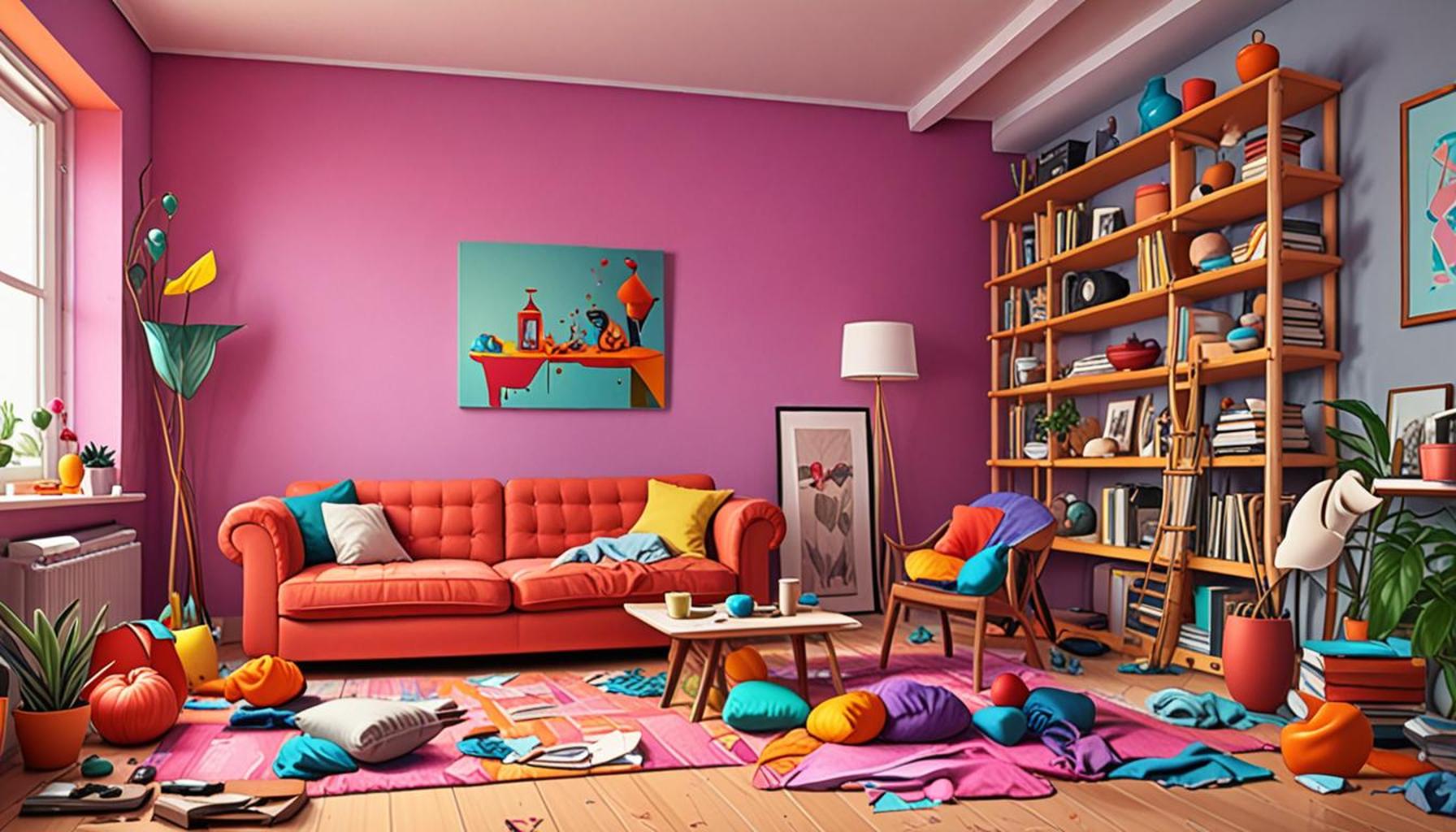
- Living Room: Common sources of clutter in the living room include stacks of magazines that have not been read, unused decor items collecting dust, and misplaced belongings such as remote controls or chargers that the family cannot find. These items not only clutter your space but also detract from the overall aesthetic of your living area.
- Kitchen: The kitchen is often a hotspot for disorder, with excess appliances like bread makers or juicers sitting idle on countertops, expired food lurking in cabinets, and messy workspaces that hinder meal preparation. A clutter-free kitchen can make cooking more enjoyable and efficient.
- Bedroom: In the bedroom, clutter manifests as clothes piling up on chairs, overflowing drawers filled with both seasonal and out-of-season items, and neglected paperwork or bills stuffed into drawers. An organized bedroom can promote a relaxing environment conducive to restful sleep.
Confronting clutter not only improves the aesthetics of your home but also enhances mental clarity and overall well-being. Studies show that a cluttered environment can contribute to feelings of stress and anxiety. By taking steps to declutter, you can create a space that reflects calmness and order, leading to a better quality of life.
Decluttering Steps
To tackle clutter effectively, consider these strategies:
- Regularly reassess your belongings: Set aside time every few months to evaluate what you really use and need in your home. Ask yourself, “Did I use this in the past year?” If the answer is no, it might be time to let it go.
- Implement the one-in, one-out rule: For every new item you bring into your home, commit to removing one item. This can help stem the incoming wave of clutter and keep your spaces more manageable.
- Dedicate time for seasonal decluttering: Make it a habit to declutter at the change of each season. This is a natural time to reassess your possessions, especially clothing and decor, ensuring you keep only what enhances your living experience.
As you dive deeper into the process of decluttering, you can also discover detailed methods tailored for each room, transforming your chaotic spaces into serene sanctuaries. Embrace the journey to a less cluttered home—a refuge of organization awaits. By taking small, practical steps, you can carve out a living space that fosters peace and creativity, allowing you to enjoy and reflect on the life that surrounds you.

DIVE DEEPER: Click here for practical tips
Mastering the Art of Decluttering
When it comes to managing clutter, the devil is in the details. Each room in your home presents unique challenges, but with targeted strategies, you can transform chaotic spaces into organized havens. Below, we’ll explore tailored strategies for some of the most clutter-prone areas in the house, ensuring every corner radiates a sense of order.
Living Room Solutions
The living room serves as the heart of your home, yet it’s often the first place where clutter accumulates. To reclaim your space, consider implementing the following steps:
- Establish a designated spot for everything: Every item in your living room should have a specific place. Use decorative baskets or bins to corral items like toys, remotes, and magazines. This not only keeps everything organized but also enhances the aesthetic appeal of your space.
- Limit decorative items: While it’s tempting to showcase numerous decor pieces, having too many can create visual clutter. Choose a few meaningful items to display and rotate them periodically for freshness without overwhelming your surfaces.
- Daily tidying session: Dedicate just five to ten minutes each day for a quick tidy-up. This consistent effort will prevent clutter from building up and make the living room more inviting for both you and your guests.
Kitchen Decluttering Techniques
In the kitchen, organization is key to efficiency. Here are some practical strategies to streamline your cooking space:
- Clear out expired food: Regularly check your pantry and refrigerator for expired items. Disposing of old food not only frees up space but also helps maintain a clean environment conducive to meal preparation.
- Appliance management: Evaluate which kitchen appliances you actively use. If you find energy-efficient devices sitting unused, consider stowing them away or donating them. Keeping only essential appliances on the countertop minimizes distractions during cooking.
- Countertop zen: Aim for a clean countertop with little to no items left out. Utilize drawer organizers for utensils, and use vertical storage solutions for spices or cutting boards to keep your countertop open and functional.
Bedroom Serenity
The bedroom, intended as a serene retreat, can often become cluttered with everyday items. Use these strategies to restore tranquility:
- Seasonal clothing check: With the changing seasons, take time to reassess your wardrobe. Store out-of-season clothing in bins or donate items you no longer wear. This practice not only frees up drawer space but also makes it easier to see what you need for the current season.
- Paper management: Combat paper clutter by establishing a simple filing system. Use labeled folders for bills, receipts, and important documents to keep everything easily accessible without creating a visual mess.
- Nightstand essentials: Limit items on your nightstand to essentials like a clock, lamp, and maybe a book. This creates a calmer atmosphere, enhancing your sleep environment and making it easier to unwind at the end of the day.
By adopting these practical strategies tailored to each area of your home, you can rein in clutter and cultivate a living environment that promotes both peace and functionality. The journey to a clutter-free home begins with small, deliberate actions that pave the way for a more organized life.
| Category | Advantages |
|---|---|
| Living Room | Creates a welcoming environment and promotes relaxation. |
| Kitchen | Enhances efficiency while cooking and aids in food preparation. |
| Bedroom | Fosters better sleep quality by reducing distractions. |
| Bathroom | Promotes a sense of calmness and improves hygiene standards. |
| Office | Increases productivity and clarity of thought. |
Experiencing clutter in different areas of your home can lead to feelings of overwhelm and unease. Employing practical strategies for reducing clutter is an essential part of creating a harmonious living space. In the living room, reducing clutter not only makes the area more visually appealing but also enhances the overall atmosphere, making it a perfect environment for relaxation and social interaction. Similarly, in the kitchen, minimizing clutter fosters improved efficiency, allowing for a smoother cooking experience.In bedrooms, decluttering plays a critical role in promoting better sleep quality. A tidy environment can equally boost focus and productivity in home office settings, allowing you to work with clarity. Lastly, a clean and organized bathroom contributes to a serene atmosphere and ensures higher standards of hygiene. Implementing these strategies across various areas of your home can lead to significant emotional and functional benefits. For more expert tips on effective clutter reduction, explore specialized resources and guides.
DIVE DEEPER: Click here to discover how clutter reduction can change your life
Streamlining Spaces: More Practical Strategies for Reducing Clutter
Expanding on the previous clutter management techniques, it’s essential to explore additional practical strategies that can further help in maintaining an organized home. Different spaces in your home require unique approaches, and being armed with versatile strategies can make the decluttering process smoother and more effective.
Bathroom Bliss
Bathrooms tend to accumulate products and items that can quickly result in clutter. Here are some refined tips to restore order:
- Product audit: Regularly review your toiletries and cosmetics. Discard items that have expired or that you no longer use. Consider using clear containers to store like items together, making it easier to find what you need without sifting through a jumble of products.
- Under-sink organization: Maximize the often-overlooked under-sink space with stackable bins or pull-out shelves. This keeps cleaning supplies, toilet paper, and personal care items neatly tucked away yet easily accessible.
- Limit linen counts: Too many towels or linens can crowd cabinets. Focus on keeping a set number—two to three sets of bath towels, for example—and donate or discard the rest. This creates clarity and opens up storage space.
Home Office Order
In our increasingly digital world, a cluttered home office can hinder productivity. Follow these strategies to create an efficient workspace:
- Digital decluttering: Start with your computer files. Organize them into well-structured folders, and delete what you no longer need. Keeping your desktop tidy can enhance focus and workflow.
- Paperless approach: Whenever possible, aim for a paperless system. Utilize notes apps or cloud storage solutions to minimize physical paperwork. If you must keep documents, invest in a scanner to digitize and organize important files securely.
- Desk essentials: Use drawer organizers for stationary, and keep only essentials like a notepad and pens on your desk. Consider a wall-mounted organizer for paperwork to keep your working area clear and inspire creativity.
Garage Goals
The garage often becomes a clutter hotspot with numerous items stored haphazardly. Tackle garage clutter with these focused techniques:
- Zone allocation: Segment your garage into specific zones—tools, sports equipment, seasonal decorations, etc. This helps in ensuring everything has its designated space, making it easier to locate items when needed.
- Vertical solutions: Maximize vertical space by installing wall-mounted shelves or pegboards for tools and equipment. This not only clears up floor space but also creates a more open and navigable environment.
- Regular maintenance: Schedule monthly checks on your garage items. Set aside time to reassess which items are still necessary and which can be donated or discarded. This ongoing effort will help maintain a clutter-free zone.
As you implement these targeted strategies throughout your living spaces, remember that reducing clutter is not a one-time project; it’s an ongoing commitment. Tailoring these practices to the unique nuances of each area within your home will ultimately foster an environment that supports relaxation and functionality.
DISCOVER MORE: Click here to learn how to enhance your daily life
Conclusion: Embracing Clutter-Free Living
In conclusion, navigating the clutter that infiltrates our homes can be a daunting task, yet with the right strategies, a serene and organized space is within reach. The techniques outlined for various areas—from streamlining bathroom storage and optimizing your home office environment to establishing an efficient garage organization system—offer practical solutions tailored to unique demands.
As you embrace these methods, it’s crucial to recognize that reducing clutter is an ongoing journey. Frequent reevaluation and adaptation of your organizational practices will not only assist in maintaining order but also contribute to a sense of peace and productivity in your daily life.
Consider creating a schedule for regular decluttering sessions, and involve your family in this process to cultivate a collective commitment to a tidy living environment. Additionally, remember that minimalism doesn’t have to mean deprivation; it’s more about prioritizing the items that genuinely enhance your quality of life.
Ultimately, achieving a clutter-free home is about making space for what truly matters. With consistent effort and the application of practical strategies, you’ll be able to foster a home that reflects your values, supports your lifestyle, and invites tranquility into your everyday existence. Start small, stay committed, and watch as your home transforms—one decluttering session at a time.