Practical Strategies for Creating Minimalist Environments in Small Homes

Embracing Minimalism in Small Spaces
In today’s fast-paced world, where distractions are abundant, creating a minimalist environment can be a much-needed breath of fresh air. It offers a sanctuary amid chaos, particularly relevant for those residing in small homes or apartments where space is limited. By embracing minimalism, individuals are not just decluttering their physical surroundings—they are embarking on a journey toward a more intentional and meaningful life.
The essence of minimalism lies in the deliberate selection of belongings, which can lead to a greater sense of peace and clarity in one’s life. Each item in a minimalist space should ideally hold significance or serve a purpose. This philosophy encourages a shift in mindset from consumerism to appreciation, promoting functionality over mere aesthetics.
Declutter Regularly
One of the core pillars of minimalism is to declutter regularly. This practice entails routinely assessing your possessions and deciding what to keep based on utility and emotional value. For instance, the iconic Marie Kondo method encourages individuals to ask themselves if an item “sparks joy.” To make decluttering manageable, consider scheduling specific times each month dedicated solely to this task, whether it’s a closet, kitchen drawer, or a corner of your living room. It is remarkable how removing unnecessary items can free up space and foster a sense of calm.
Choose Multi-Functional Furniture
In a small home, practicality is key, which is why investing in multi-functional furniture is essential. Pieces like sofa beds, coffee tables with hidden storage, or extendable dining tables provide versatility without compromising style. For example, a sleek storage ottoman not only serves as a footrest but can also house blankets or games, minimizing visual clutter while maximizing functionality. Such investments cater to both aesthetic and practical needs, making your living space truly adaptive.
Neutral Color Palettes
The choice of colors can dramatically influence the ambiance of your space. Neutral color palettes—think whites, greys, and soft earth tones—create the illusion of openness and airiness. Light colors reflect natural light, making rooms appear larger and more inviting. For example, a light grey accent wall paired with cream furnishings can evoke a sense of serenity, encouraging relaxation. A thoughtfully chosen color scheme can transform small spaces from cramped and chaotic to open and peaceful.
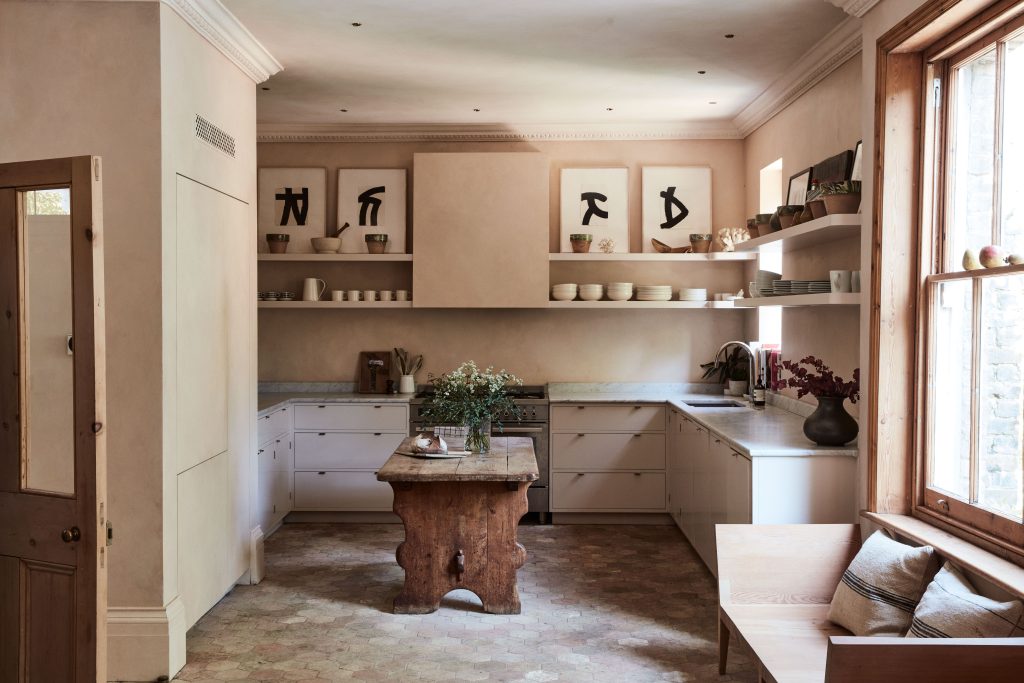
Each of these strategies not only enhances the aesthetics of your home but also contributes to a more streamlined daily routine. The minimal approach simplifies life, allowing you to focus on what truly matters. In our busy lives filled with distractions, adopting minimalism can provide a sense of order and tranquility within your home.
Throughout this article, we will explore these tips further, uncovering additional methods to nurture a minimalist environment tailored to your lifestyle. By fostering an intentional living space, you’ll find that embracing minimalism can lead to newfound clarity and fulfillment, making every inch of your home feel inviting and purpose-driven.
DIVE DEEPER: Click here to simplify your home
Implementing Organization Systems
To achieve a minimalist environment in small homes, effective organization systems are critical. In limited spaces, every item should have a designated place, reducing clutter and promoting a clean atmosphere. Simple tools, such as baskets, bins, or drawer organizers, can transform chaos into order. Investing in these organizational tools not only optimizes space but also simplifies daily routines by ensuring that essential items are easily accessible.
Consider the following organizational strategies:
- Vertical Storage: Make use of walls by installing shelves or wall-mounted racks. This can free up floor space and draw the eye upward, making the room feel larger.
- Under-Bed Storage: Utilize the space beneath your bed by incorporating storage boxes or drawers. This often-overlooked area can hold seasonal items, shoes, or extra bedding, keeping them out of sight.
- Designated Zones: Establish specific areas for different activities, such as work, relaxation, and dining. Having designated zones contributes to a visual order and clearly defines the purpose of each space.
Opt for Minimal Décor
When it comes to minimal décor, less truly is more. In small spaces, an abundance of decorations can make a room feel cluttered and overwhelming. Instead, choose a few key pieces that reflect your personal style while maintaining a clean aesthetic. A well-placed piece of art, a simple vase, or a unique sculpture can serve as focal points without monopolizing surface areas.
Additionally, consider adopting a “one in, one out” rule. For every new item you bring into your space, commit to removing an existing one. This approach not only reduces clutter but also encourages mindful purchasing decisions. By consciously evaluating each addition to your home, you enhance your surroundings without overcrowding them.
Embrace Natural Light
Natural light plays a pivotal role in creating a minimalist environment by enhancing the perception of space. Aim to maximize sunlight by keeping window treatments simple and unobtrusive. Light, sheer curtains can allow ample sunlight while maintaining privacy. If possible, avoid bulky furniture that obstructs natural light; prioritize transparent or light-colored pieces that promote a sense of openness.
Consider incorporating mirrors strategically, as they reflect light and create the illusion of depth. Placing a large mirror across from a window can effectively amplify the light and make your small space feel more expansive. Furthermore, adding houseplants can enhance both visual appeal and air quality without overwhelming the room’s simplicity.
As we dive deeper into practical strategies, remember that minimalism in small homes is not merely about empty spaces but crafting a living environment that echoes your values and aesthetics. By implementing organization systems, simplifying décor, and embracing natural light, you can create a tranquil space that feels both spacious and inviting, emphasizing what truly matters in your home.
Practical Strategies for Creating Minimalist Environments in Small Homes
Creating a minimalist environment in small homes often requires strategic planning and a keen eye for detail. Below are some practical methods to help you achieve a harmonious and uncluttered space.
| Category 1 | Category 2 |
|---|---|
| Decluttering | Regularly assess belongings to reduce unnecessary items. |
| Space Management | Utilize multifunctional furniture to enhance usability while minimizing clutter. |
One of the first steps in creating a minimalist home is decluttering. This means regularly assessing your belongings and removing items that no longer serve a purpose, which not only opens up space but also promotes mental clarity. You can approach decluttering with a systematic method, such as the KonMari method, focusing on keeping only items that “spark joy.”Another critical aspect is effective space management. In small homes, every square inch counts, which is why selecting multifunctional furniture is a game-changer. For example, consider a coffee table that doubles as storage, or a bed with built-in drawers. These choices lead to better organization and a streamlined living environment, essential for maintaining the minimalist aesthetic.Additionally, employing color schemes plays a vital role in minimalism. Opting for a cohesive palette not only enhances visual space but also creates a sense of serenity and order.By thoughtfully applying these strategies, you can transform your small home into a minimalist haven, teeming with tranquility and efficiency.
DISCOVER MORE: Click here to find out how to enhance your minimalist lifestyle
Choosing Functional Furniture
In small homes, furniture selection can significantly impact both aesthetics and functionality. Opting for multi-purpose pieces not only saves space but also aligns with the minimalist philosophy of fewer, more versatile items. Look for items that can serve dual roles, such as a coffee table that doubles as a storage unit or a sofa bed that accommodates guests without requiring extra space for a dedicated guest room.
Another useful strategy is to prioritize scale and proportion. Oversized furniture can dominate small spaces, making them feel cramped. Instead, select furniture that fits the scale of your room, opting for sleek, low-profile designs that provide the necessary function without overwhelming the area. For instance, armless chairs can add seating without adding mass, while nesting tables offer flexibility for dining or working without taking up significant floor space when not in use.
Incorporating foldable furniture is also a smart choice for small home environments. A wall-mounted drop-leaf table can serve as a dining space or a workspace and can be tucked away when not in use. Similarly, folding chairs can be pulled out when needed and stored away easily, allowing you to reclaim the space for other activities when they’re not in use.
Creating a Cohesive Color Palette
A key element of minimalism is a well-thought-out color scheme. Using a cohesive color palette can create a sense of harmony and expansiveness. Neutrals, such as whites, grays, and beiges, can make spaces appear larger and more open, while soft pastels can add a touch of warmth and personality without feeling overwhelming. For a pop of interest, introduce a few accent colors through accessories like throw pillows or artwork.
When selecting paint colors, consider the effect of light within your space. Lighter shades reflect light and enhance brightness, while darker colors can absorb it, making a room feel cozier but potentially smaller. By strategically employing color, you can guide the flow of your home and evoke a specific mood, creating an inviting minimalist atmosphere.
Decluttering Regularly
Even the most organized minimalist spaces require ongoing attention to prevent clutter from returning. Establishing a decluttering routine can help maintain the clarity and simplicity you’ve worked hard to achieve. Consider designating a specific time each month to reassess your belongings. This could involve evaluating items that no longer serve a purpose or those that haven’t been used in the last six months.
Techniques such as the KonMari Method—which encourages keeping only those items that “spark joy”—can be particularly effective in guiding your decluttering efforts. Coupled with the habit of regularly donating unnecessary items, this reinforces your commitment to a minimalist lifestyle and fosters a sense of satisfaction in the maintenance of your home’s serene environment.
Additionally, consider implementing minimalist habits such as digital decluttering of devices and social media, which can contribute to a more peaceful mindset and reduce the chaos of daily life. By focusing on both physical surroundings and mental clarity, you can create a truly holistic minimalist environment within your small home.
DISCOVER MORE: Click here for tips on enhancing your workspace
Conclusion
Creating a minimalist environment in a small home is not just about reducing clutter; it’s about fostering a sense of peace and functionality within the limited space. By employing practical strategies such as selecting functional furniture, establishing a cohesive color palette, and committing to regular decluttering, homeowners can transform their living areas into tranquil oases that reflect their values and lifestyle. These strategies not only enhance the aesthetic appeal but also maximize the utility of each square foot.
The journey towards minimalism is an evolving process that encourages continuous reflection on what is truly necessary for a fulfilling life. By making intentional choices, from selecting space-saving, multipurpose furniture to curating a color scheme that brightens and expands the perception of space, individuals can ensure their small homes remain relaxing sanctuaries rather than chaotic clutter zones. Decluttering isn’t just a one-time task; it’s a mindset that, when adopted regularly, cultivates a lasting environment of serenity.
As you explore the principles of minimalism, remember that it’s about finding a balance that works for you. Investing in quality over quantity can lead to a clearer, more peaceful home and mind. Furthermore, the minimalist approach extends beyond physical items to encompass digital spaces and mental clarity. By embracing these minimalist principles, you can create a home that not only looks good but also enhances your daily living experience—inviting simplicity and joy into every corner of your life.