Nomadic Lifestyle: Creating Simplified Spaces for Mobility and Flexibility
Embracing a New Way of Living
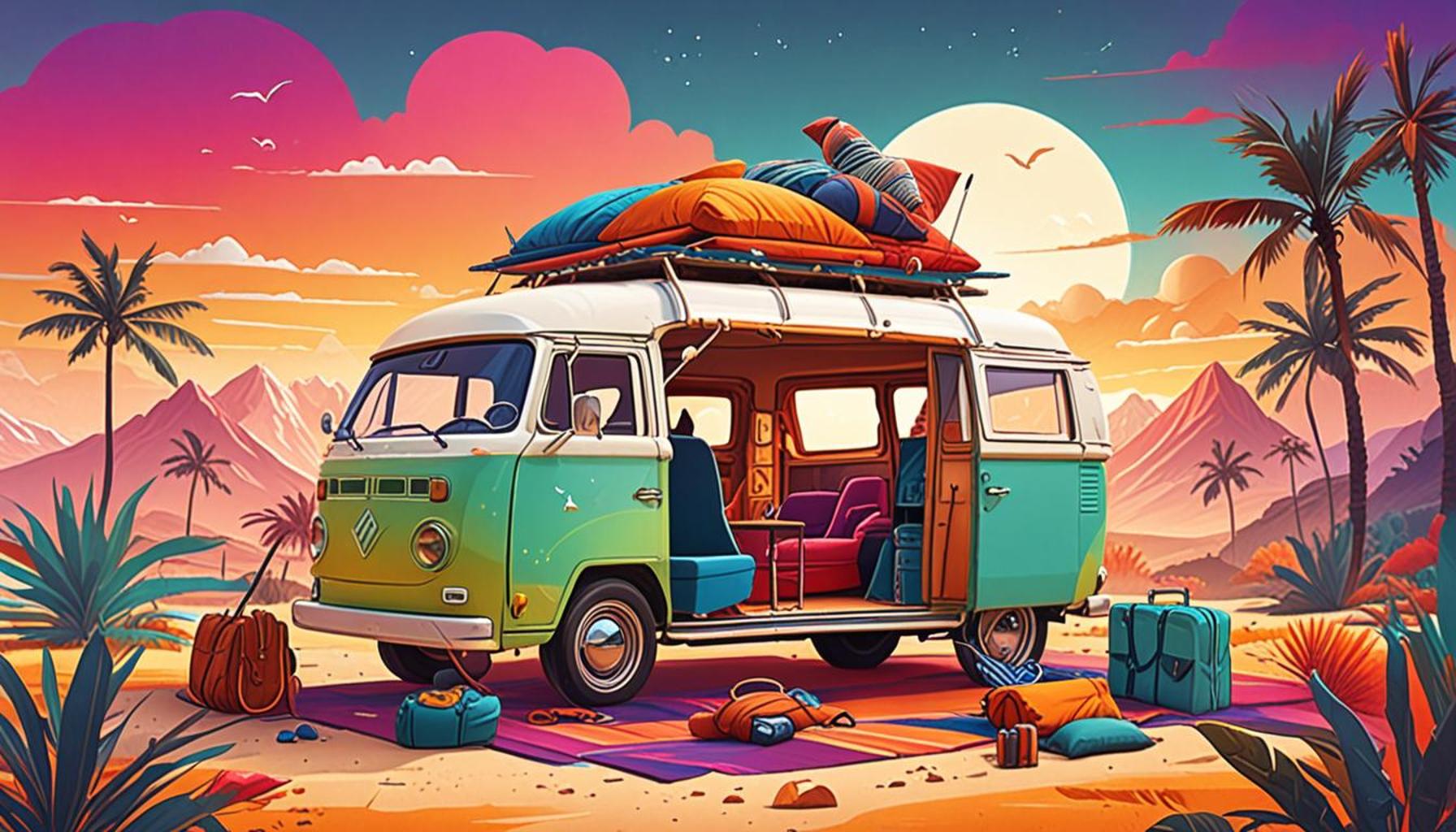
The rise of the nomadic lifestyle is reshaping perceptions of home and mobility in significant ways. Individuals increasingly strive to escape the confines of traditional homeownership—previously seen as the pinnacle of success—and instead opt for a more flexible way of living. This burgeoning movement reflects a deep desire for freedom, a quest for adventure, and a commitment to a more environmentally conscious existence.
Key Features of a Nomadic Lifestyle
Living on the move requires specific attributes to maintain comfort while ensuring practicality. Identifying and integrating these features are crucial for those who choose this lifestyle, as they serve to enhance the nomadic experience:
- Minimalism: Embracing minimalism means shedding excess possessions, allowing nomads to carry only the essentials. This approach simplifies life and encourages a focus on experiences rather than material goods. For instance, many nomads might opt for high-quality, durable clothing that serves multiple purposes, eliminating the need for a vast wardrobe.
- Functionality: The spaces that nomads inhabit are often carefully designed to serve multiple functions. A living area may double as an office, and a Murphy bed can transform a workspace into a sleeping area at night. Innovative designs like the van life movement showcase how vehicles can be outfitted for comfort while facilitating work-from-anywhere scenarios.
- Portability: Furniture and belongings are tailored for easy transport. Many nomads prefer lightweight and collapsible items, such as foldable tables, portable chairs, and compact kitchen utensils that can be stowed away easily. The use of modular designs allows for maximum efficiency in small spaces.
Benefits of Mobility and Flexibility
Opting for a nomadic lifestyle comes with a myriad of advantages that can significantly enrich one’s life. Here are some compelling benefits:
- Adventure: The thrill of experiencing diverse cultures and locations can be one of the most rewarding aspects of being a nomad. From the bustling streets of New Orleans to the serene landscapes of the Pacific Northwest, each new destination offers unique adventures and experiences.
- Cost-effective: This lifestyle can lead to lower living expenses. By choosing to live in smaller, more efficient spaces or utilizing temporary accommodations, many nomads find they can save considerably compared to traditional mortgage or rental payments. Furthermore, they can choose less expensive regions or even countries to call home temporarily.
- Personal Growth: Constant change fosters creativity and resilience. Adapting to new environments presents challenges that promote critical thinking and problem-solving skills. Over time, this lifestyle encourages emotional growth, adaptability, and innovation, traits that can benefit both personal and professional endeavors.
As more individuals embark on the nomadic journey, the desire to create simplified spaces will continue to flourish. Exploration into how to design these environments can lead to deeper insights about the nature of home, sparking discussions about the very essence of belonging and community in a rapidly changing world.
DIVE DEEPER: Click here to discover how minimalism can reshape your life
Designing for Life on the Move
Creating simplified spaces for the nomadic lifestyle is not merely about minimizing belongings; it also involves optimizing living environments to cater to the needs of individuals who are frequently on the move. In this context, the design of a space plays a crucial role in promoting mobility and enhancing the overall experience of a nomadic lifestyle. Understanding how to create efficient, adaptable environments can lead to enriched living experiences without the physical and emotional clutter.
Essential Considerations for Nomadic Design
Embracing a nomadic lifestyle requires thoughtful consideration of various design elements that not only serve practical purposes but also enhance the quality of life. Here are some fundamental aspects to keep in mind:
- Space Efficiency: Traditional homes often come with excess square footage that many nomads simply do not need. Whether it’s a converted van or a compact studio, maxing out the utility of each square foot is essential. This can involve built-in storage solutions and multi-functional furniture that can adapt to different activities, ensuring that every inch counts.
- Natural Elements: Bringing the outdoors into living spaces is another trend that resonates with nomads. Incorporating natural light through strategically placed windows or skylights can create an inviting atmosphere. Moreover, the use of natural materials, such as wood and stone, not only enhances aesthetic appeal but also promotes a sense of tranquility and connection with the environment.
- Smart Home Technology: The integration of smart technology can significantly enhance a nomad’s lifestyle. Wi-fi-enabled devices, energy-efficient appliances, and mobile charging stations are invaluable in ensuring seamless connectivity and functionality while on the go. This technology allows nomads to maintain a level of comfort and convenience, regardless of their location.
Building a Community Mindset
Another important aspect of the nomadic lifestyle is the sense of community that arises even amidst constant movement. Nomads often seek out communal living spaces, co-working environments, and other shared facilities that encourage connection and collaboration. This communal approach can drive innovation in design, emphasizing shared spaces that foster social interaction while respecting individual privacy.
Co-living spaces popping up across urban areas and rural retreats provide an excellent example of how communities can thrive without permanence. These spaces often feature communal kitchens, shared lounges, and flexible workspaces—all designed with mobility in mind—allowing residents to cultivate relationships while still enjoying the benefits of their nomadic lifestyle.
The effort to create simplified spaces goes beyond just structural design; it’s about fostering a lifestyle that champions adaptability and interconnectedness. As the world becomes increasingly mobile, the dialogue surrounding what it truly means to have a “home” evolves, focusing less on physical location and more on the experiences shared along the journey.
| Advantages | Details |
|---|---|
| Enhanced Flexibility | The nomadic lifestyle offers individuals the ability to relocate easily, allowing for spontaneous travel and adventure without the constraints of traditional living. |
| Simplicity and Minimalism | By prioritizing essential items, nomads embrace a minimalist approach, leading to less clutter, lower expenses, and greater focus on experiences rather than possessions. |
Living a nomadic lifestyle promotes a unique mindset where individuals can prioritize adventure and personal freedom. This approach not only enhances one’s flexibility but also encourages a deeper understanding of different cultures and environments, enriching personal experiences through direct engagement with diverse communities.Moreover, the embrace of simplicity often correlates with better mental health. As nomads travel, they can enjoy the benefits of reduced stress and anxiety associated with material accumulation. The quest for meaningful connections and rich experiences often replaces the pursuit of material goods, which can be liberating.In addition, nomadic living can lead to financial advantages. With simplified spaces, individuals reduce overhead costs tied to traditional homes, including rent and utilities. This economic freedom allows for the allocation of funds towards travel, education, and skills development, fostering a life filled with learning and exploration.Understanding these benefits can ignite interest in how the nomadic lifestyle crafts a path toward a freer, more fulfilled existence. By simplifying spaces, individuals not only enhance mobility but also create a canvas for personal growth and genuine experiences.
DISCOVER MORE: Click here to learn effective decluttering strategies
Adapting to Change: Flexibility in Design
For those embracing a nomadic lifestyle, flexibility is more than just an abstract concept; it is a daily necessity. The ability to adapt spaces quickly and efficiently is paramount, allowing individuals to create functional environments that cater to their evolving needs. This adaptability can be expressed in various design approaches, ensuring that as life dictates the movement, the living space can seamlessly follow suit.
Transformable Furniture and Mobile Solutions
One of the most innovative trends in nomadic design is the use of transformable furniture. Items such as foldable tables, expandable couches, and modular shelving systems can provide essential multi-functionality while maximizing limited space. For instance, the Murphy bed has gained popularity among those living in tiny homes or converted vans, allowing individuals to convert their sleeping quarters into a workspace or dining area with ease.
Additionally, mobile solutions, including lightweight, portable furniture, empower nomads to set up and break down their living arrangements quickly. Outdoor enthusiasts often prefer collapsible camping chairs and portable hammocks that offer comfort with compact storage advantages. In urban settings, these adaptable furnishings can be crucial for those who frequently change locations, enabling them to maintain a minimalist yet functional living setup.
Sustainability and Minimalism
The connection between a nomadic lifestyle and sustainability cannot be overstated. Many nomads prioritize eco-conscious living, looking to reduce their environmental footprint as they travel. This principle often begins with creating a minimalist space that encourages sustainable practices, such as opting for reusable items instead of single-use products and focusing on quality over quantity in their belongings.
Brands like IKEA are responding to this demand by designing sustainable, elegant solutions that resonate with the needs of modern nomads. Products crafted from recycled materials are increasingly commonplace, allowing individuals to cultivate a chic, eco-friendly space without compromising on style. Moreover, selecting energy-efficient appliances and minimizing electronic devices can further reinforce this focus on sustainability.
The Role of Mobile Technology
In a world where connectivity is paramount, nomads leverage mobile technology as an integral part of their lifestyle. Implementing smart gadgets, such as smart speakers and automated lighting systems, can streamline daily tasks, heights that convenience and efficiency take precedence in small living areas.
Mobile apps tailored for nomads also provide crucial support. Research platforms designed for finding reliable Wi-Fi networks, tracking expenses, and securing short-term rentals can foster a greater sense of community and resourcefulness among those who constantly travel. Applications supporting virtual co-working spaces, like KoWork and WeWork, allow remote professionals to maintain productivity while staying connected to others, despite geographical challenges.
As nomads continue to define what it means to live a flexible lifestyle, designers and architects are presented with unique opportunities to innovate. The result is a landscape where mobility and comfort coalesce, offering individuals the freedom to explore new horizons while embracing the essence of home wherever they may roam.
DISCOVER MORE: Click here to learn about creating calm spaces
Conclusion: A New Era of Living
As the allure of a nomadic lifestyle continues to captivate a growing number of individuals, the need for sustainable and flexible living solutions has never been more vital. The emphasis on transformable furniture and mobile solutions underlines a profound shift in how we conceive our living spaces, making them not just places of rest, but dynamic environments attuned to our ever-changing lifestyles. The fusion of minimalism and sustainability creates opportunities for individuals to forge a meaningful connection with their surroundings while minimizing their ecological footprint.
Moreover, the advent of mobile technology has seamlessly integrated into this lifestyle, equipping nomads with the necessary tools to navigate their journeys with ease. From smart gadgets that enhance daily convenience to applications that facilitate remote work, technology offers a pathway to maintaining productivity and connectivity, even when on the move.
As we acknowledge the transformative nature of nomadic living, it is clear that embracing this lifestyle invites a new perspective on how we design and interact with our spaces. By prioritizing adaptability, sustainability, and technology, we stand at the forefront of a revolutionary way of living that defines not just where we reside, but who we are as a community. The journey forward holds exciting possibilities, inspiring us to create simplified spaces that foster not only mobility and flexibility but also a true sense of home, no matter where we may roam.