Minimalism and Connections: Creating Living Spaces that Foster Meaningful Relationships
The Rise of Minimalism
In an era where the allure of consumerism often overshadows the essence of living, the concept of minimalism is increasingly resonating with individuals across the United States. From the bustling streets of New York City to the serene landscapes of California, more people are realizing that embracing simplicity can significantly enhance both their living environments and emotional well-being. The journey towards minimalism invites us to take a step back and assess not only our physical possessions but also the quality of our interactions.
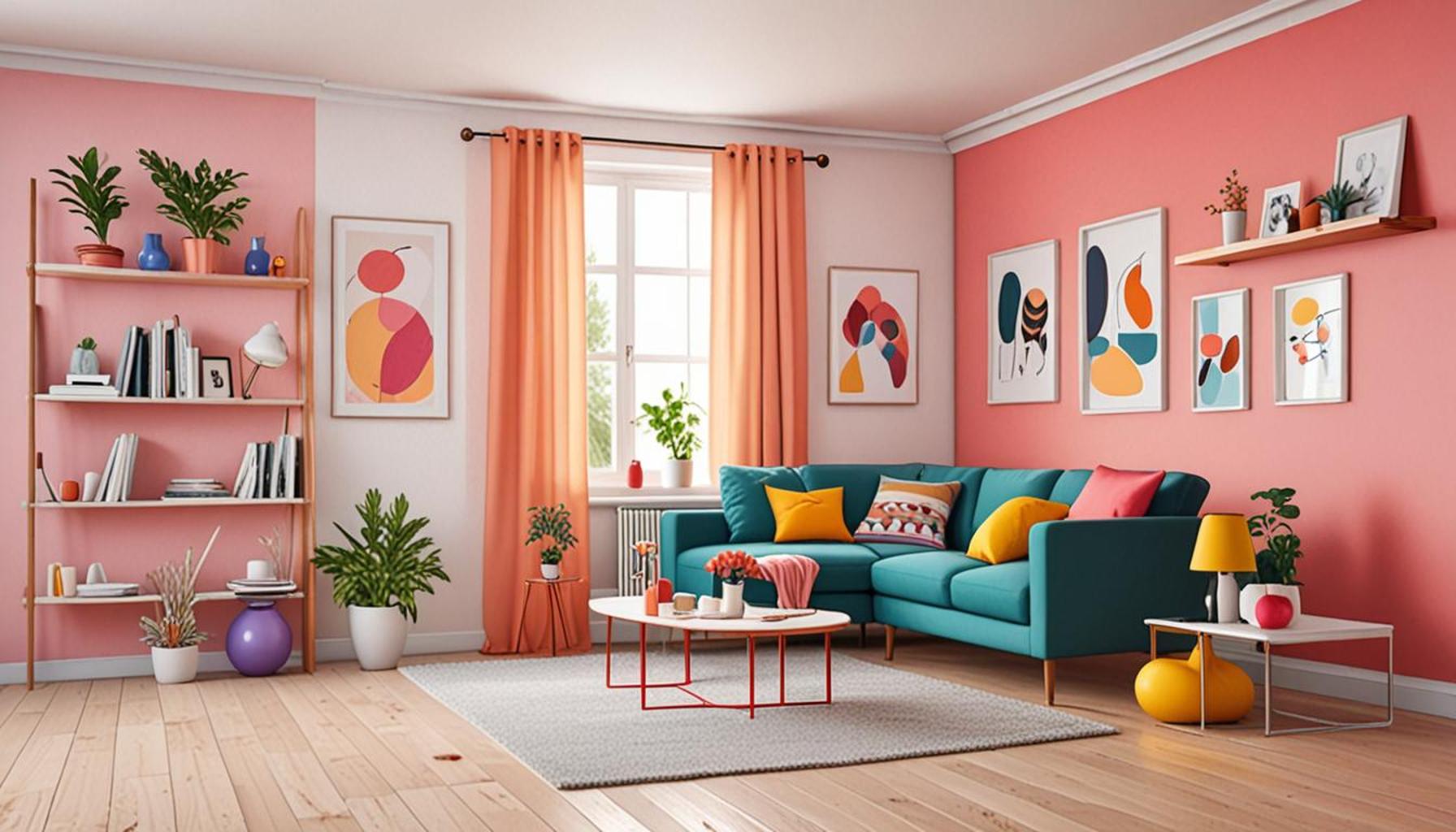
At its core, minimalism encourages us to create spaces that are purposefully designed. This idea extends beyond merely uprooting clutter; it involves understanding the intentional design of our surroundings. For instance, a living room designed with personal values in mind may feature artwork that reflects one’s heritage or family photos that invoke fond memories, fostering a strong connection with those who share the space. This can lead to deeper conversations and a sense of belonging, reinforcing the bonds within families and friendships.
Functional Areas for Engagement
Moreover, the concept of functional areas plays a crucial role in minimalist living. For example, creating designated spots for conversation, such as a cozy nook or a fire pit in the backyard, can significantly encourage interpersonal engagement. Imagine hosting friends and family around a fire, sharing stories under the stars, rather than being distracted by a cluttered environment or excessive technological devices. Such spaces become catalysts for meaningful interactions, emphasizing quality time over quantity.
Nature as a Calming Influence
Another vital aspect of minimalism is the incorporation of natural elements. Research indicates that exposure to nature can profoundly impact our mental health, reducing feelings of stress and anxiety. Incorporating plants, natural light, and outdoor views can create a calming atmosphere that not only enhances a home’s aesthetic appeal but also invites serenity into daily life. Consider window boxes filled with flowers or indoor plants that filter air and boost mood. These elements can transform a mundane environment into a sanctuary, all while reinforcing the connection between our surroundings and emotional states.
The practical benefits of minimalism extend far beyond aesthetics. Studies illustrate that individuals who live in less cluttered environments report higher levels of happiness and lower stress levels. By embracing a minimalist lifestyle, we are not only simplifying our possessions but also fostering deeper connections with the people around us. As we delve into this transformative concept, it becomes clear that intentional living spaces can significantly enhance our relationships, leading to more fulfilling and enriching experiences.
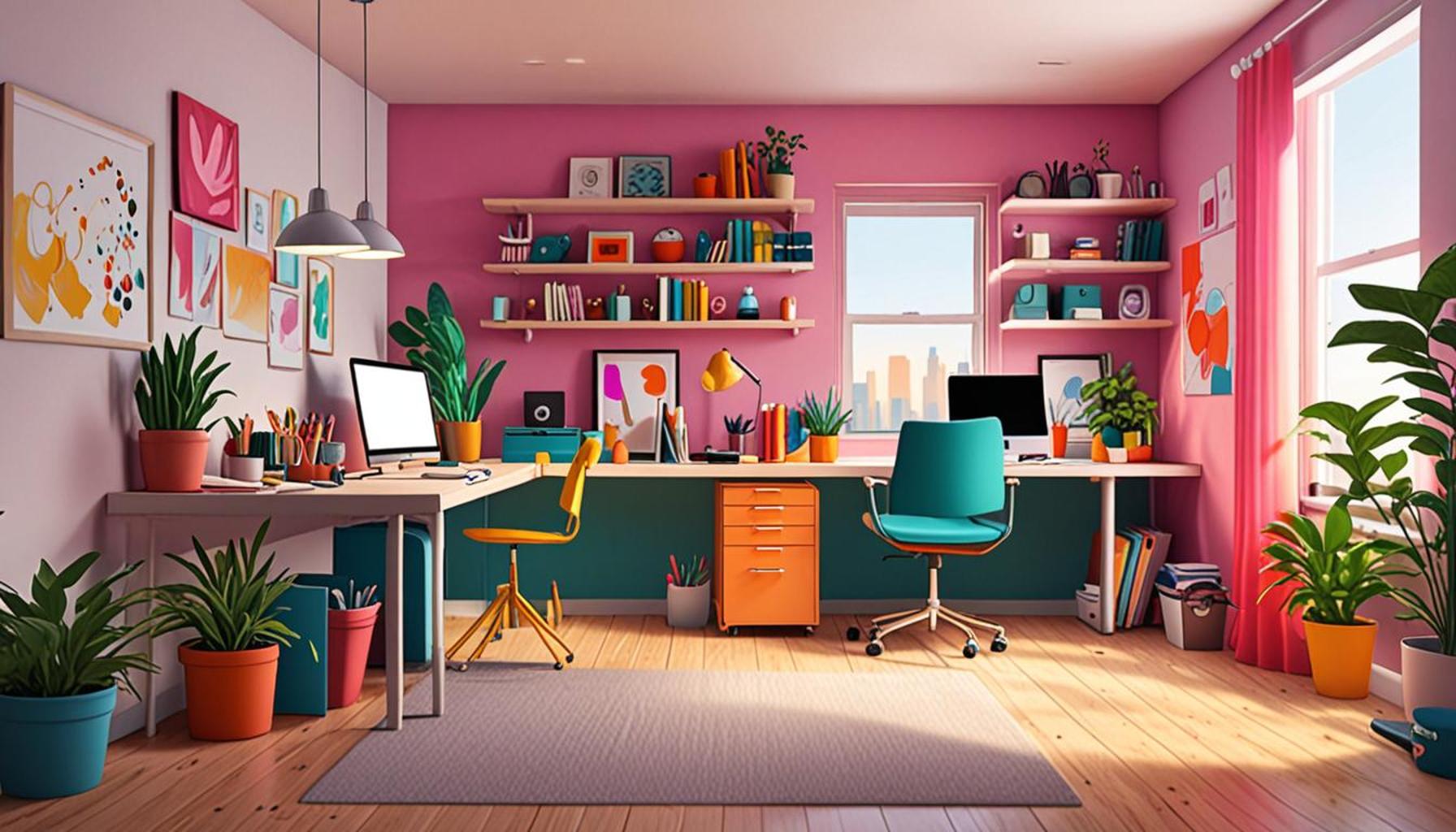
DISCOVER MORE: Click here to enhance your workspace
Intentional Design for Meaningful Connections
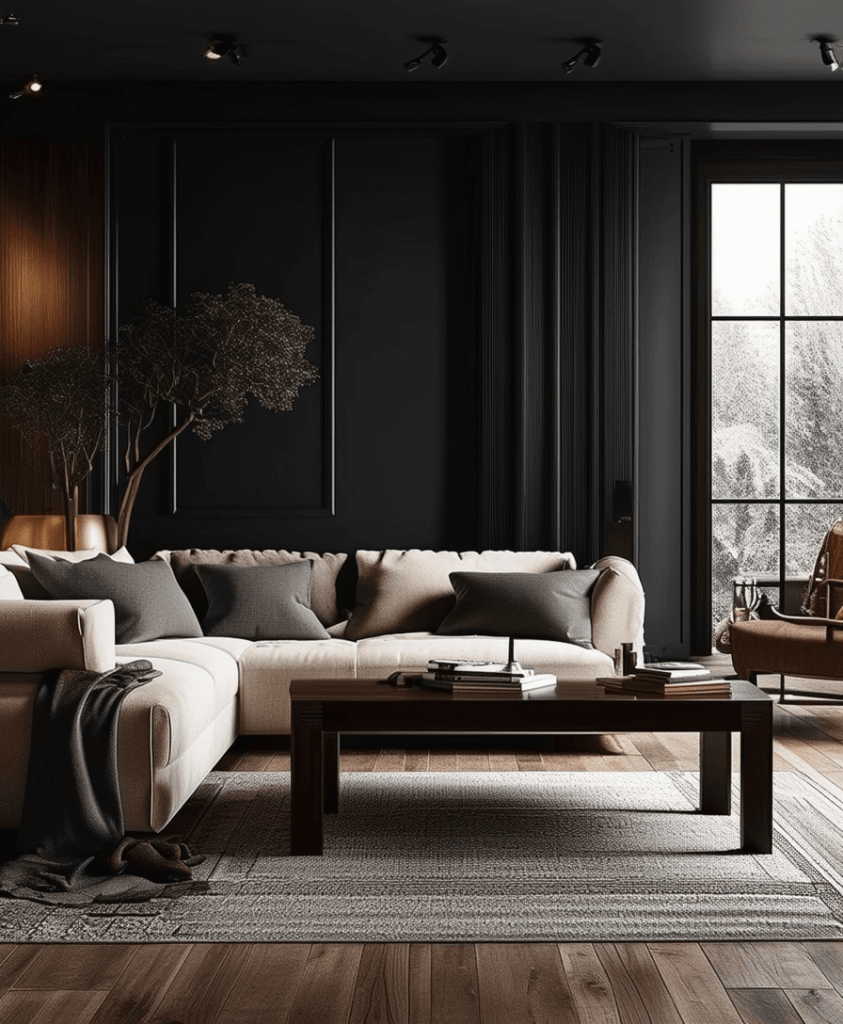
Delving deeper into the minimalist philosophy reveals that intentional design is far more than a fleeting trend; it represents a foundational principle essential for nurturing meaningful relationships. Curating a space with thoughtfulness not only reflects aesthetics but also invites a culture steeped in connection and genuine communication. At its core, minimalism challenges us to interrogate what truly matters within our living environments. By stripping away excess and keeping only those items that serve a purpose or evoke emotion, we set the stage for interactions that are rich and engaging.
Strategic Layouts for Enhancing Interaction
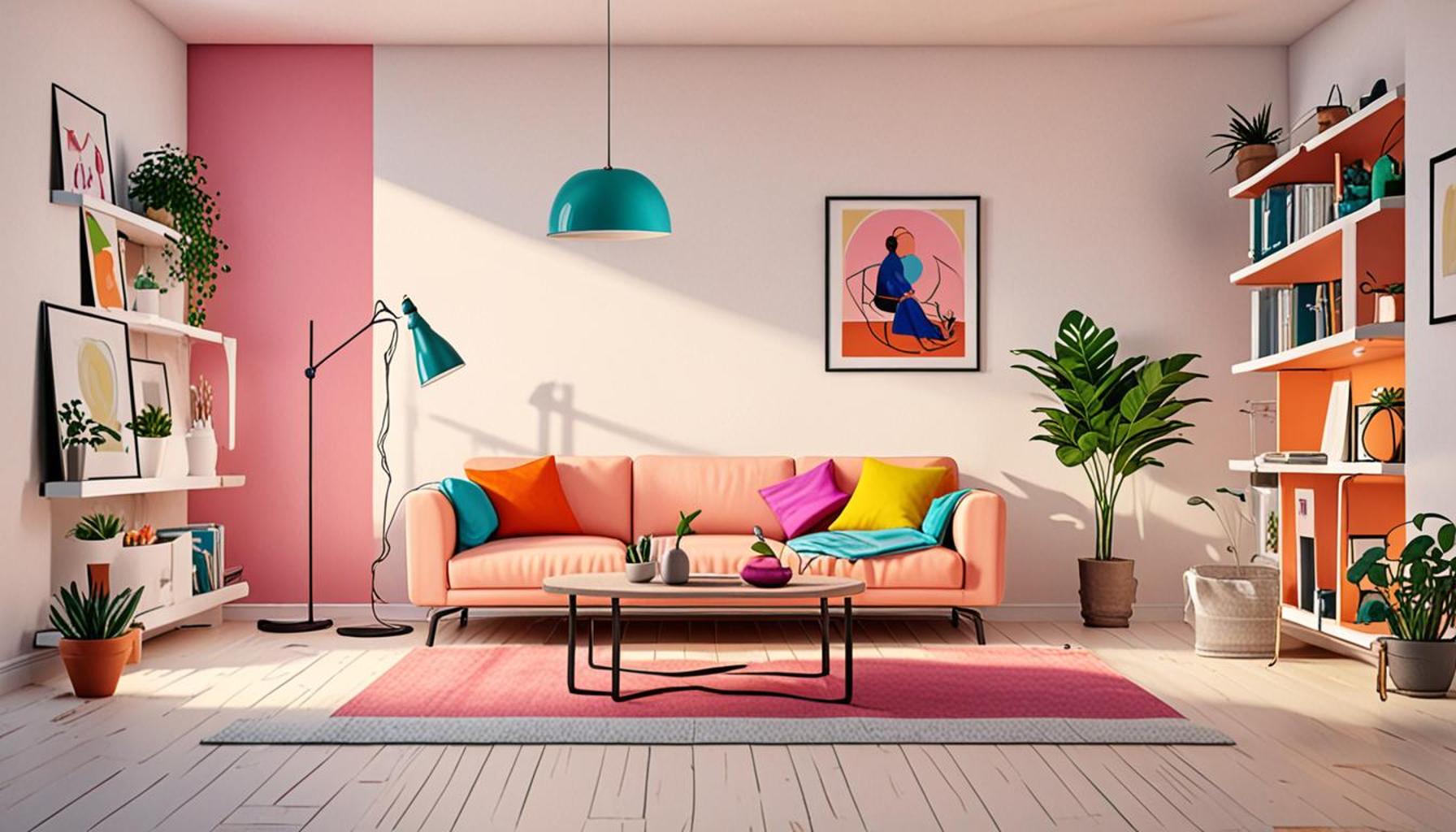
Transforming a space into a vibrant hub for connection often begins with strategic layouts. Take, for instance, the familiar arrangement of furniture in a living room. Instead of pushing every piece against the walls—a configuration that may inadvertently foster isolation—consider arranging seating in a circular formation that beckons conversation. Positioning a coffee table at the center of this circle can serve as an inviting focal point, perhaps featuring a unique, handcrafted piece that sparks curiosity and dialogue. Additionally, there are several elements that enhance interaction:
- Flexible seating: Incorporating a variety of seating options, such as poufs, benches, or even floor cushions, allows the space to accommodate different group sizes while shifting the atmosphere towards inclusivity and warmth.
- Multi-functional spaces: Designing rooms that can transition seamlessly from a serene nook for reading to an engaging area for hosting gatherings encourages versatility and spontaneous interactions that enrich relationships.
- Accessible pathways: Ensuring that movement through the space is intuitive promotes fluid conversations and removes obstacles that could inhibit natural interaction among guests.
Creating Memories Through Shared Experiences
At the heart of minimalism lies the belief in the power of shared experiences, which serve as crucial elements in forming meaningful connections. Spaces designed to encourage participation—such as well-equipped kitchens and inviting dining areas—transform into the core of social gatherings. The act of cooking together, sharing meals, or engaging in creative pursuits within a thoughtfully organized environment can significantly strengthen bonds among family and friends. Imagine a dining table stripped of distractions, adorned merely with seasonal flowers or cherished mementos—such a setting strikes the perfect balance, facilitating deep conversations that resonate long after the meal has ended.
In essence, the pursuit of creating living spaces that prioritize meaningful connections extends far beyond mere decluttering. It beckons individuals to actively engage in the thoughtful design of their surroundings, fostering interaction, enhancing emotional well-being, and celebrating togetherness. This endeavor is rooted in understanding what we value most, ensuring that our living environments reflect those ideals. Ultimately, the goal shifts from merely having a house to cultivating a home—a nurturing community where relationships can not only exist but truly thrive.
| Advantages | Description |
|---|---|
| Enhanced Social Interactions | Minimalist living encourages people to gather in shared spaces, fostering deeper connections. |
| Reduced Distractions | By eliminating clutter, individuals can focus on their relationships without the interference of material possessions. |
| Emphasis on Quality over Quantity | Minimalism encourages nurturing meaningful relationships rather than superficial ones. |
| Mindful Living Spaces | Designing spaces intentionally leads to a calm environment that promotes peace and connection. |
Incorporating the concept of minimalism into living spaces can significantly transform how individuals interact with each other. By prioritizing less clutter and creating welcoming environments, we inherently invite more robust relationships into our lives. They adapt to accommodate gatherings, encouraging deeper conversations and shared experiences. The emphasis on quality over quantity not only leads to fewer but more substantial connections, aligning perfectly with the theme of creating spaces that not only house us but also enrich our social interactions. Through mindful living, we cultivate environments where meaningful relationships can thrive, leading us toward greater emotional fulfillment. Each of these elements plays an incremental role in reshaping our understanding of community within the minimalist framework. Additional exploration of these principles may inspire further introspection into how we design our personal living environments.
DISCOVER MORE: Click here to enhance your productivity
The Role of Natural Elements and Personal Touches
As we explore minimalism in relation to fostering meaningful connections, the incorporation of natural elements becomes essential. Biophilic design—an approach that seeks to weave the natural world into our living spaces—has gained traction for its ability to promote well-being and tranquility. Elements such as plants, natural light, and organic materials not only enhance aesthetic appeal but also create an atmosphere that encourages relaxation and social interaction. For instance, a well-placed plant in a gathering area serves as more than just decor; it becomes a living entity that provides a sense of comfort, sparking conversations about gardening or environmental care.
Utilizing Light and Space to Elevate Connections
The manipulation of natural light is another powerful tool in minimalist design, as it has been shown to significantly impact mood and engagement levels. A space flooded with daylight naturally invites people to gather, while dim, confined areas can make interactions feel stilted or awkward. Large windows, light-colored walls, and an open floor plan facilitate a sense of flow, encouraging spontaneous conversations and shared moments. For example, setting a reading nook near a window creates a cozy sanctuary where family members can gather, share stories, or enjoy quiet moments together without feeling isolated.
Additionally, the layout of a home can serve as a catalyst for positive social interaction. Consider the notion of open-concept living, which has surged in popularity across the United States. Homes designed with interconnected living areas eliminate barriers and promote fluidity. The kitchen has evolved from being a utilitarian space to the social heart of the home. Taking part in meal preparation while consulting with friends or family not only builds stronger relationships but also cultivates a sense of collaboration, leading to richer interactions.
Emphasizing Personal Touches to Cultivate Belonging
In the minimalist realm, it’s crucial to embrace the concept of personalization while maintaining simplicity. A few well-chosen items that hold sentimental value can add depth to a minimalist space, providing a backdrop for storytelling and shared memories. Instead of overcrowding surfaces with knick-knacks, choose a single, meaningful piece—like a photograph from a memorable vacation or a hand-crafted item from a loved one. Such personal touches invite guests to connect more deeply with the space and its inhabitants, evoking conversation and emotional resonance.
It’s also worth noting that the shared purpose behind these design choices can extend beyond personal relationships to include the community at large. For instance, homes designed with communal spaces, such as backyards or patios equipped with fire pits, encourage neighbors to come together. These spaces become venues for open dialogue, laughter, and shared experiences, reinforcing the social fabric of a neighborhood.
Thus, in the journey toward creating living spaces that foster meaningful connections, it becomes clear that minimalism transcends aesthetics; it invites humans to respect nature, engage with their environments, and truly share moments that matter. By curating a space that not only speaks to individual values but also opens the door for interaction, we lay the groundwork for relationships that are not only present but thriving and vibrant.
DISCOVER: Click here for effective decluttering tips
Conclusion: Fostering Relationships Through Thoughtful Design
In the pursuit of a lifestyle rooted in minimalism, the power of design to facilitate meaningful connections becomes increasingly evident. By embracing natural elements, maximizing light, and creating open spaces, we not only enhance the aesthetic appeal of our homes but also lay the foundation for genuine interpersonal relationships. The intentional use of personal touches within minimalist design invites storytelling, fosters emotional connections, and encourages deeper interactions among inhabitants and their guests.
Moreover, the notion of community cannot be overlooked. Thoughtfully crafted communal areas serve as important social hubs, reinforcing neighborhood ties and creating opportunities for shared experiences. Homeowners and renters alike are beginning to recognize that by simplifying their spaces and embracing functionality, they can invite others in, cultivating a sense of belonging that echoes far beyond their front doors.
As we reflect on the broader implications of minimalism in cultivating connections, it becomes clear that this approach is not merely about decluttering our physical spaces. Instead, it is about creating environments that inspire interaction, respect for nature, and ultimately, a more profound human experience. In a world where digital distractions often dominate our attention, the shift toward intentionally curated living spaces marks a poignant return to valuing face-to-face relationships. As such, the journey towards minimalist living offers not just a design philosophy, but a pathway to richer, more fulfilling connections that resonate deeply with our shared humanity.