
Mindful Living as a Tool for Personal Organization: Creating Spaces that Promote Calm
Embracing Calm in Our Chaotic Lives
In today’s fast-paced world, achieving a sense of calm can feel like an elusive dream. The clutter of our daily lives often drowns out the peace we yearn for. However, mindful living offers practical solutions to create spaces that support tranquility and organization. By taking the time to cultivate mindfulness, we can turn our homes, workplaces, and even our minds into havens of serenity.
Integrating mindfulness into our personal organization can transform our environments into sanctuaries of peace. Consider the following aspects:
- Decluttering: Removing unnecessary items can significantly reduce stress. Research shows that a cluttered environment can lead to feelings of anxiety and overwhelm. For example, professional organizers advocate for the “one year rule,” where items that haven’t been used in over a year should be considered for donation or disposal. This process not only clears space physically but also mentally, providing clarity and breathing room.
- Intentional Spaces: Designate areas for specific activities to create a sense of purpose. For instance, setting up a cozy reading nook can make your home more inviting and encourage relaxation. Creating a workspace that is distinct from your living area can help delineate professional tasks from personal downtime, enhancing productivity while promoting relaxation when you step away.
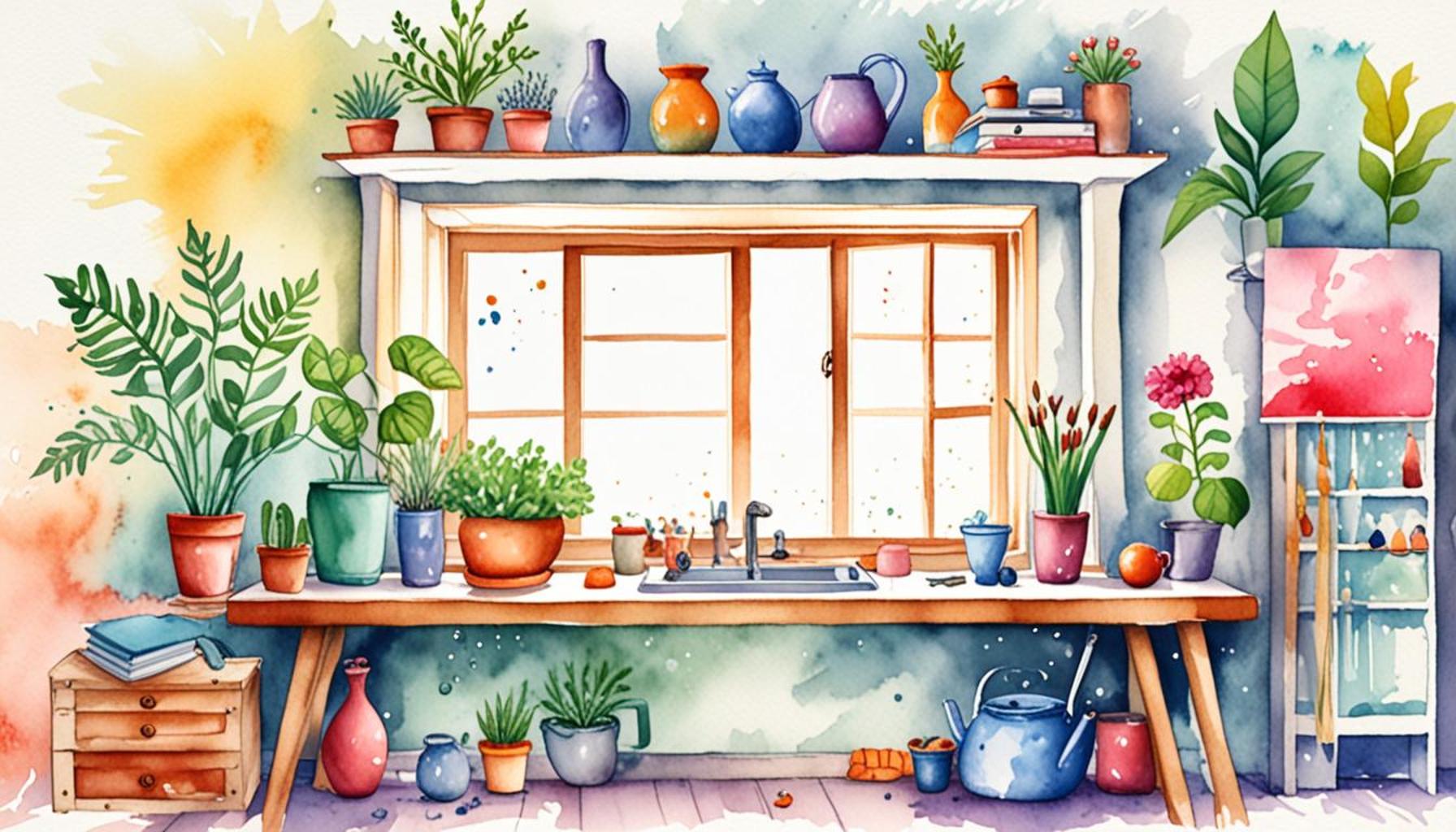
- Nature Integration: Incorporating plants or natural light can enhance well-being. Studies have shown that exposure to nature can lower stress levels and improve mood. In urban settings, even the addition of a small succulent or a vibrant houseplant can create a refreshing atmosphere. Furthermore, maximizing natural light by rearranging furniture can lift the spirit and improve focus throughout the day.
These strategies not only foster an organized environment but also encourage a more mindful approach to daily life. Implementing such practices can lead to increased productivity, reduced anxiety, and a greater appreciation for the present moment. A simple morning routine of mindful meditation, combined with the decluttering techniques of Marie Kondo, can set a positive tone for the day and prioritize mental clarity.
As we delve into the practices of mindful living, we will explore how to effectively cultivate an atmosphere that promotes calm. From practical tips to insightful techniques, this journey reveals how small changes can yield profound benefits in our daily routines. The goal is not merely to reduce chaos but to enhance overall life satisfaction, paving the way for a more intentional and joyful existence.
DISCOVER MORE: Click here to learn how decluttering can enhance your life
Creating Organized Spaces for Mindful Living
To fully embrace mindful living, it is essential to focus on creating organized spaces that promote calmness and clarity. The way our environments are structured can have a profound impact on our mental and emotional well-being. Research indicates that an organized space can improve focus, enhance creativity, and reduce stress levels. By understanding the principles of mindful living, we can apply them to our personal organization strategies effectively.
One of the first steps towards crafting serene environments is adopting a minimalist mindset. This doesn’t necessarily mean living with only the bare essentials, but rather making conscious choices about what we allow into our spaces. A minimalist approach encourages individuals to consider the value and purpose of their possessions. By asking ourselves questions like, “Does this item bring me joy?” or “Does this serve a specific purpose?”, we can identify what truly matters to us. This thoughtful evaluation creates a more tranquil atmosphere, allowing us to focus on what is genuinely important.
Practical Strategies for Mindful Organization
Implementing practical strategies can significantly enhance our living and working environments. Here are some methods to consider:
- Create Zones: Segregate your space into distinct zones for different activities. For example, designate one area for work and another for leisure. This clear separation helps to establish a mental boundary that encourages productivity in workspaces while fostering relaxation in living areas.
- Color Psychology: Utilize color to influence your mood. Calm colors like blues and greens are known to promote tranquility, while warmer hues can energize and stimulate creativity. Choosing the right palette for each space can help reinforce the intended use and emotional response.
- Mindful Decoration: Choose decor that resonates with you personally. Artwork, photographs, and sentimental objects can inspire positive emotions when thoughtfully placed. Limit the number of items on display to avoid overwhelming visuals, allowing each piece to shine.
- Schedule Regular Maintenance: Keep spaces organized and clutter-free by setting aside time each week for maintenance. This practice supports mindfulness, as it forces you to remain present and engaged with your environment rather than allowing chaos to build unnoticed.
By integrating these strategies into your lifestyle, you can create an organized and calming space that aligns with the principles of mindful living. Such environments not only promote well-being but also encourage focused productivity and a greater connection to the present moment. As we continue exploring mindful living, we will dive deeper into specific techniques and their applications, illustrating the profound impact they can have on our lives.
| Advantage | Description |
|---|---|
| Enhanced Focus | Mindful living encourages a dedicated space, reducing distractions and enabling increased concentration for personal tasks. |
| Stress Reduction | Creating serene environments promotes calmness and lowers anxiety, essential for optimal productivity. |
| Improved Organization | A mindful space encourages a systemized approach to personal organization, making it easier to manage tasks and belongings. |
| Enhanced Creativity | Calm spaces are known to foster creative thinking, aiding in innovative solutions and new ideas. |
Creating spaces that promote a sense of calm and tranquility is imperative in our fast-paced world. Mindful living not only contributes to personal organization but also emphasizes the importance of environmental factors in shaping our mental well-being. By practicing mindfulness, individuals can cultivate an atmosphere that minimizes chaos, thereby enhancing focus and reducing stress. The integration of elements such as natural light, plants, and organizing systems can significantly transform a cluttered space into a peaceful haven. Moreover, fostering creativity through these tranquil environments allows for better problem-solving skills and enriched ideation processes. Engaging in such mindful practices empowers individuals to take control of their surroundings, leading to a more fulfilling and organized life. Exploring more deeply into these aspects can yield profound benefits that resonate throughout various facets of personal and professional life.
DISCOVER MORE: Click here for practical tips
Integrating Mindful Practices into Everyday Organization
As we delve deeper into mindful living, another crucial aspect emerges: integrating mindful practices into our daily routines to foster personal organization. Mindfulness goes beyond physical spaces; it is also about cultivating awareness and intention in our actions. By bringing mindfulness into our organizational habits, we can create not just aesthetically pleasing spaces, but spaces that resonate with peace and purpose.
Mindful Cleaning and Decluttering
Cleaning and decluttering offer unique opportunities to practice mindfulness. Instead of viewing these tasks as mundane chores, consider them as rituals for creating a serene environment. Establish a routine where you dedicate a specific time each week to approach cleaning with intention. As you clean, focus on the sensations—the smell of the cleaning products, the feel of the cloth in your hands, and the satisfaction of clearing away dust and clutter. This approach transforms chores into meditative practices, reinforcing the connection between a tidy environment and a calm mind.
The Power of Aromatherapy
Another effective strategy is to incorporate aromatherapy into your spaces. Certain scents can evoke specific feelings and memories, further enhancing the calmness of your environment. Essential oils like lavender, chamomile, and sandalwood are known for their relaxing and soothing properties. You can create a calming ambiance by using essential oil diffusers, scented candles, or even spray mists throughout your space. Infusing your surroundings with these soothing scents will help anchor your mind in the present moment, promoting a sense of serenity and focus.
Mindful Technology Use
In today’s digital age, managing technology is vital to maintaining an organized life. Establishing boundaries around your tech use can reduce distractions and contribute to a more mindful existence. Set specific times for checking emails or social media to prevent these tasks from intruding upon your day. Consider using apps that promote mindfulness and productivity, providing reminders to take short breaks or practice gratitude throughout the day. These practices not only regulate the clutter of digital information but also help train your mind to prioritize what truly matters.
Creating a Calming Routine
Consistency is key when embedding mindfulness into personal organization. Developing a daily routine that incorporates mindful practices can create stability in your life. Start each day with a few minutes of meditation or journaling, allowing you to set clear intentions for the day ahead. By establishing a calming routine, you foster a smoother transition into your daily tasks, making it easier to stay focused and organized amidst life’s demands.
Embracing Nature
Incorporating elements of nature into your living space can further promote a calming atmosphere. Studies have shown that natural elements can lower stress levels and enhance overall well-being. Consider adding indoor plants, flowers, or natural materials like wood and stone in your decor. Not only do these elements bring a touch of the outdoors inside, but they can also elevate the aesthetic and contribute positively to your mental health. Spending time in nature, even for short walks, can profoundly impact your mood, providing a break from the chaos of daily life.
By integrating these mindful practices into your personal organization strategies, you can cultivate environments that not only look serene but also nurture your emotional well-being. The journey towards mindful living is ongoing, and with each practice, you move closer to a more balanced and organized life.
DISCOVER MORE: Click here to learn how to embrace minimalist living
Conclusion
In the quest for a more organized life, mindful living emerges as a transformative approach that not only enhances personal organization but also fosters a profound sense of calm. By intentionally integrating mindful practices into our daily routines, we can create environments that reflect peace and promote well-being. As we maintain our spaces through mindful cleaning, we shift our perspective on household chores from mundane tasks to opportunities for meditation, deepening our connection with our surroundings.
The incorporation of aromatherapy, coupled with a conscientious approach to technology, further enriches our spaces, creating a sensory sanctuary that can anchor us in the present. Establishing a calming routine enhances stability, allowing us to start each day with intention and focus. Moreover, embracing elements of nature not only beautifies our environments but significantly contributes to our mental health, reminding us of the peace that exists just beyond our doorsteps.
As we continue this journey towards mindful living, we invite you to explore these strategies in your own life. Consider the spaces you inhabit and how they can be transformed into calming sanctuaries. The balance of organization and serenity is within reach, waiting to be discovered one mindful act at a time. In doing so, we not only organize our physical environments but cultivate a deeper sense of harmony within ourselves. Embrace the power of mindfulness as a tool for personal organization, and watch as your world transforms.