Mindful Living and the Aesthetics of Space: Creating Environments that Promote Calm and Clarity
Understanding Mindful Living and Its Physical Space
In an era where distractions abound, creating a sanctuary within our living spaces has become essential for fostering mindfulness. The built environment we occupy significantly impacts our mental and emotional well-being. It encompasses not just our choices in decor, but also how these choices resonate with our inner peace and clarity.
The Role of Color in Creating Calm
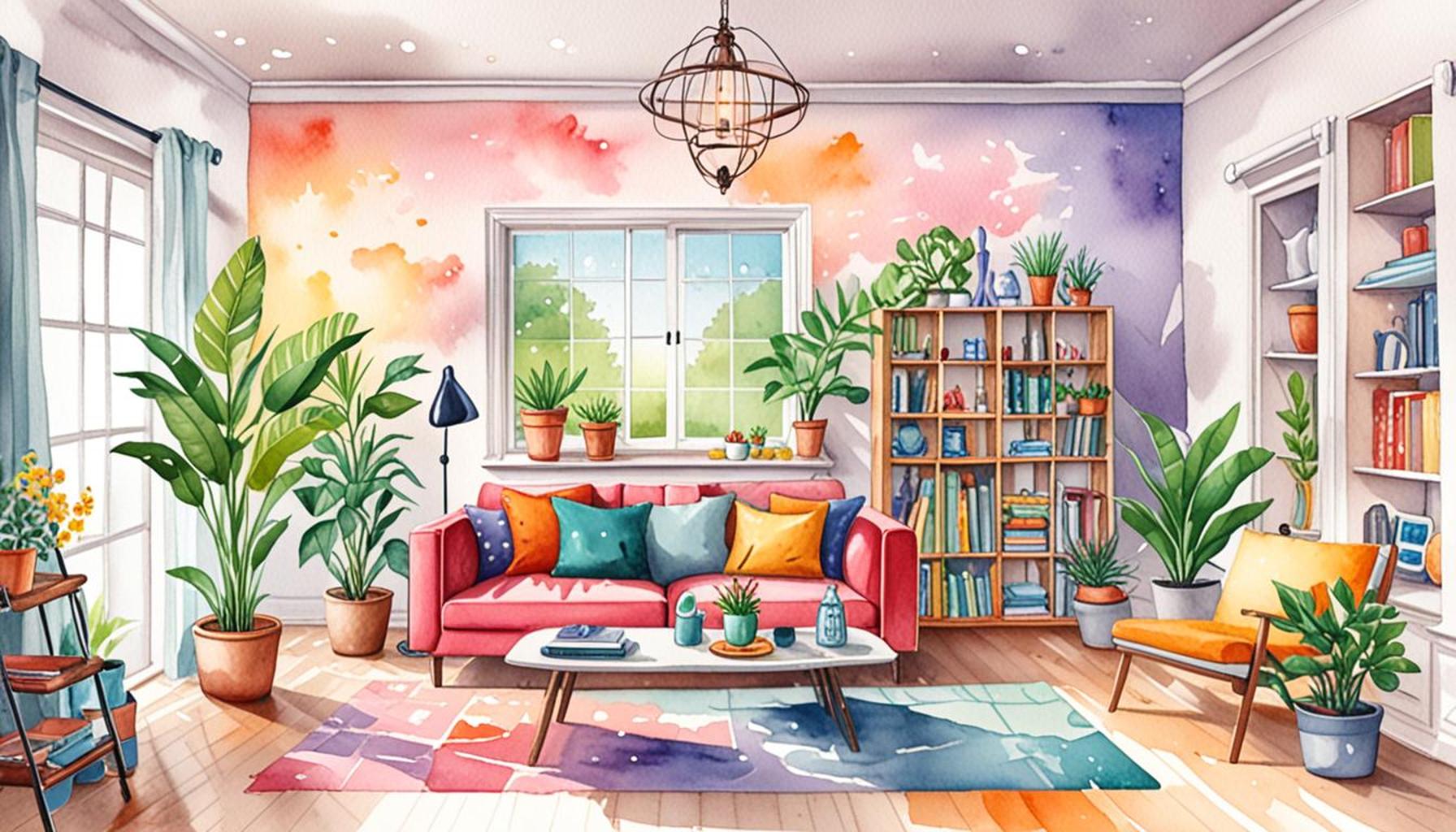
Consider the color palette of your home. Psychological studies have shown that colors can evoke different emotional responses. Soft hues like light blue have been linked to feelings of tranquility and peace, reminiscent of clear skies and calm oceans. Similarly, shades of green promote a sense of renewal and balance, drawing from nature’s restorative qualities. These color choices are not just aesthetic; they work subtly to influence our state of mind, turning our homes into havens of serenity.
The Impact of Natural Light
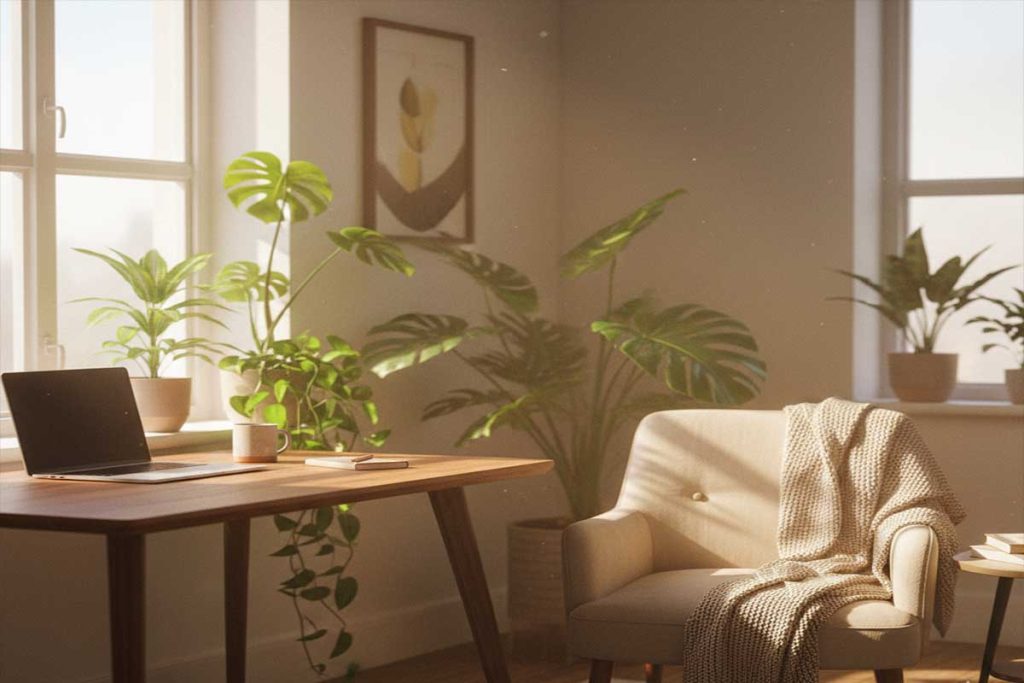
The importance of natural light cannot be overstated. Studies have found that exposure to daylight boosts serotonin levels, enhancing mood and energy levels. Maximizing daylight through large windows or strategic positioning of mirrors can significantly brighten a space and create an inviting atmosphere. As sunlight filters through, it not only illuminates but also infuses life into a space, playing a key role in promoting mental clarity and emotional well-being.
Decluttering and Minimalism
Our environments should reflect calmness and clarity. A minimalist approach could be an effective strategy in reducing distractions. A cluttered space can lead to a cluttered mind, making it crucial to maintain simplicity in our surroundings. This can be as simple as decluttering regularly or choosing to maintain only those items that hold meaning. By creating a serene backdrop, one can enhance focus and productivity in daily tasks, leading to a more fulfilled existence.
Design Choices that Nurture Well-Being
Thoughtful design choices should go hand in hand with mindful living. Incorporating textures like natural stone or warm wood can create a grounding effect, reminding us of our connection to the earth. Textiles are also important; they can add layers of comfort and warmth to a space, further inviting relaxation.
The Power of Plants
Integrating plants into our homes has dual benefits — they beautify our spaces and improve air quality. Studies show that indoor plants can reduce stress and increase feelings of tranquility. The presence of greenery can transform a sterile environment into a vibrant one, nurturing the mind and soul. Popular choices include snake plants, pothos, and peace lilies, which are not only easy to care for but also effective in enhancing indoor air quality.
Conclusion
By consciously designing our spaces with mindfulness in mind, we can foster environments that support our mental and emotional health. Investing time and thought into how our homes make us feel can lead to profound changes in daily life. This exploration into mindful living is just the beginning of a journey toward creating a balanced and purposeful existence, inviting each of us to explore how our environments can align with our quest for tranquility.
DISCOVER MORE: Click here to gain insights
The Foundations of Mindful Spaces
Creating a mindful living environment goes beyond mere aesthetics; it is about crafting a space that nurtures our mental tranquility and enhances our clarity. The design and arrangement of our surroundings can either foster a sense of calm or exacerbate stress. By understanding the fundamental elements that contribute to mindful living, we can intentionally create spaces that rejuvenate our bodies and minds.
The Importance of Layout and Flow
The layout of a space can significantly impact our level of comfort and focus. Open floor plans tend to promote a sense of freedom and connection, allowing natural light to flow freely and enabling interactions to occur effortlessly. Conversely, cramped spaces can lead to feelings of confinement and anxiety. When arranging furniture, consider not only aesthetics but also how people will move through the space. Ensuring that pathways remain clear and that seating encourages conversation promotes a more harmonious atmosphere.
Creating Zones for Different Activities
Another vital aspect of mindful design is the creation of distinct zones for different activities. This environmental segmentation can help cue our minds to switch gears effectively—whether preparing for work, engaging in hobbies, or simply unwinding after a long day. Some effective zones to consider include:
- Work Zone: A dedicated area that fosters productivity, equipped with necessary tools and minimal distractions.
- Relaxation Zone: A cozy nook or corner tailored for restful activities such as reading or meditating.
- Social Zone: Spaces that encourage connection, such as dining areas or living rooms designed for gatherings with friends and family.
By segmenting our environments, we can create specific mental associations that enhance our daily experiences and promote intentional living.
Soundscapes and Their Influence
Equally important is the auditory experience within our spaces. The choice of background sounds, whether it be soft music, nature sounds, or even silence, can profoundly influence our emotional state. Incorporating soundscapes that resonate with tranquility—like gentle water features or wind chimes—can enhance a space’s calming energy. This attention to sound can drastically shift our perceptions and increase overall well-being.
Incorporating Personal Touches
While neutral palettes and minimalist designs can support mindfulness, it’s essential to integrate personal elements into our spaces as well. Whether it’s cherished photographs, meaningful artwork, or handmade items, these elements can imbue a sense of belonging and comfort. They remind us of our journeys and values, creating an emotionally supportive atmosphere that fine-tunes our connection to the space around us.
As we delve deeper into the principles of mindful living, it becomes clear that our physical spaces are more than collectibles; they are extensions of our inner selves. By consciously engaging with the aspects of layout, sound, and personalization, we can shape our environments into sanctuaries that promote clarity and foster a sense of calm amidst the chaos of everyday life.
Exploring Mindful Living and Aesthetic Spaces
In our fast-paced world, creating environments that encourage calm and clarity is essential for mental and emotional well-being. Mindful living integrates the principles of mindfulness into our everyday spaces, transforming how we interact with our surroundings. By paying attention to the aesthetic qualities of our environment, we create sanctuaries that promote peace and focus.
One key aspect of this transformation is the implementation of natural elements within our living spaces. Incorporating plants, natural light, and organic materials can enhance our emotional state, contributing to a serene atmosphere. For instance, studies suggest that exposure to greenery not only reduces stress levels but also boosts creativity and productivity, enabling individuals to thrive in both personal and professional realms.
| Benefits | Aspects |
|---|---|
| Promotes Mental Wellness | Creating organized and calming spaces minimizes distractions and enhances focus. |
| Encourages Mindful Practices | Aesthetically pleasing environments inspire practices such as meditation and yoga, benefiting overall health. |
Color and light are also critical components of these environments. Using warm, inviting colors can evoke feelings of safety and serenity, while adequate lighting—preferably natural—can influence our mood significantly. For example, soft yellows or greens can create a sense of calmness, which is especially beneficial in spaces dedicated to relaxation or creativity.
Ultimately, embracing mindful living through the aesthetics of space enables individuals to cultivate environments that truly reflect their values and aspirations. By intentionally designing our surroundings, we pave the way for a life infused with greater tranquility and intentionality.
DISCOVER MORE: Click here to unlock minimalist techniques
Enhancing Mindfulness Through Color and Texture
Color and texture are pivotal aspects of designing mindful living spaces. Research suggests that colors profoundly affect our emotions and cognitive functioning. For instance, soothing shades of blue and green are known to reduce stress and promote tranquility, while warmer tones like yellows and oranges can inspire creativity and warmth. Selecting a color palette that resonates with our intended atmosphere can transform space into a retreat for the senses.
Texture also plays a critical role in creating an inviting environment. Soft fabrics, natural woods, and organic materials provide comforting tactile experiences that can ease tension. Incorporating various textures—such as plush cushions on a chair or a woven throw blanket—can create layers of comfort in our spaces. Experimenting with textures not only enhances the visual appeal, but it also deepens our sensory engagement, drawing us into the present moment.
The Role of Nature in Mindful Living
Biophilic design, the practice of incorporating elements of nature into built environments, has gained traction in recent years for its positive effects on mental well-being. Bringing the outdoors inside can range from simple additions like potted plants and fresh flowers to larger-scale elements such as water features that mimic natural environments. Alongside improving air quality, indoor plants are known to reduce stress and boost mood, making them essential in any mindful space.
Furthermore, integrating panoramic views or large windows that overlook natural landscapes not only connects individuals to the environment but also reinforces a sense of calm. Being immersed in nature, even within interior settings, leads to improved cognitive function and clarity. Natural elements thus become vital components in architecture and interiors as they cultivate a mindful experience.
Lighting as a Vital Element
Lighting is another critical factor deserving of attention when designing a mindful environment. Natural light is universally praised for its ability to uplift mood and enhance productivity. Therefore, maximizing natural light through large windows or strategically placed mirrors can foster an inviting and vibrant atmosphere.
On the other hand, artificial lighting should be thoughtfully selected. Using adjustable lighting options allows individuals to modify brightness levels according to their needs. Soft, warm light can create a relaxing ambiance in the evening, while bright, focused lighting can enhance concentration during work. Employing a combination of ambient, task, and accent lighting can provide harmonious lighting solutions conducive to mindfulness.
Minimalism and Decluttering
Adopting a minimalist approach can significantly contribute to a mindful living space. The overwhelming pressure often tied to material possessions can cloud our clarity and peace of mind. By adhering to the principle of decluttering, incidental distractions can be minimized, allowing individuals to focus on what truly matters. A curated space filled only with items of importance fosters a sense of serenity.
In the United States, the “less is more” movement is resonating strongly, which emphasizes the concept of quality over quantity. Practices such as the KonMari method promote mindfulness while organizing, encouraging individuals to evaluate possessions based on their emotional resonance rather than sheer quantity. The result is a tranquil and intentional atmosphere that supports mindful living.
The confluence of color, texture, nature, lighting, and minimalism synergizes to create environments that nurture calmness and clarity. In pursuing mindful living, we must delve into these critical design principles—recognizing their far-reaching implications on our physical and emotional landscapes.
DISCOVER: Click here for expert tips
Conclusion: The Intersection of Mindful Living and Environmental Aesthetics
As we navigate the complexities of modern life, mindful living emerges as a powerful approach to fostering well-being. The various elements discussed, including color, texture, nature, lighting, and minimalism, represent a holistic approach to crafting spaces that promote calm and clarity. By consciously incorporating these aspects into our environments, we can create sanctuaries that resonate with our emotional and physical needs.
Understanding how color impacts our mood informs our choices when selecting palettes that soothe or energize us. Embracing texture transforms our surroundings into tactile experiences that invite engagement and presence. The integration of natural elements not only improves aesthetics but also fosters a connection to the environment, offering a respite from urban life. Thoughtful lighting, balancing natural and artificial sources, enhances not only functionality but also the overall atmosphere, further facilitating moments of mindfulness.
Moreover, embracing minimalism through decluttering invites serenity. In a society where consumerism often reigns, choosing quality over quantity allows us to prioritize what truly matters—be it objects or mental clarity. This intentional curation empowers us to cultivate spaces that reflect our values and aspirations.
In conclusion, creating mindful environments requires deliberate action. By stepping back and assessing how our spaces influence our daily experiences, we can create havens that are conducive to peace and reflection. It is through these practices that we can embrace the philosophy of mindful living, allowing clarity and calm to permeate our lives. Explore this journey of transformation within your spaces—one mindful choice at a time.