Mastering Intentional Living Combine Mindfulness Minimalism Daily

Embracing a Mindful and Minimalist Lifestyle
In today’s fast-paced world, the art of living with intention is gaining momentum as individuals seek to simplify their lives. The combination of mindfulness and minimalism offers powerful tools for enhancing personal organization and emotional well-being. By focusing on what truly matters, this approach encourages a deeper connection with our surroundings and ourselves.
As society becomes increasingly cluttered, both physically and mentally, the importance of these practices cannot be overstated. Implementing a mindful and minimalist routine can lead to:
- Reduced stress through a simplified living environment.
- Enhanced focus on personal goals and values.
- Improved health and emotional resilience.
In the following sections, we will explore the Top 5 ways to seamlessly integrate mindfulness and minimalism into your daily routine. Prepare to discover transformative strategies that not only declutter your physical space but also uplift your mental clarity.
The Art of Living Intentionally: Integrating Mindfulness and Minimalism into Your Daily Routine
In our hyper-connected world, where distractions are just a notification away, finding harmony in daily life can seem elusive. However, the profound synergy of mindfulness and minimalism offers a potent counterbalance. These dual philosophies encourage us to live with purpose, reduce clutter in our spaces, and enrich the quality of our experiences. Below, we delve into five insightful methods to seamlessly weave mindfulness and minimalism into your everyday routine, illustrating how they can profoundly transform both your outlook and lived experiences.
5. Creating a Minimalist Space
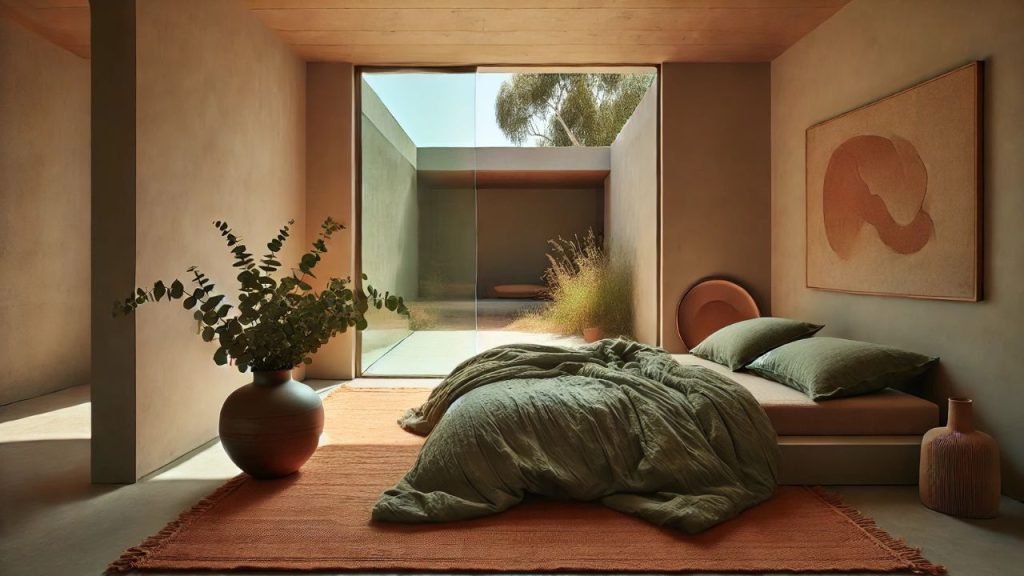
Your living environment significantly influences your mental well-being. A minimalist approach fosters a serene space, where simplicity and functionality take precedence. This transformation begins with decluttering, an act that clarifies both your physical and mental landscapes. Consider these steps:
- Initiate by identifying items that no longer serve a purpose or bring joy. The process can be cathartic, revealing what truly matters.
- Opt for multifunctional furniture, which conserves space and adds versatility to your home.
- Incorporate colors that soothe and calm, such as muted earth tones or soft pastels, to promote relaxation.
Through this process, a minimalist space emerges—not just devoid of clutter, but imbued with meaning. Each retained item is a deliberate choice, creating a personal sanctuary that supports mindfulness by minimizing distractions. The result is an atmosphere that encourages focus and tranquility, essential for any mindfulness practice.
4. Practicing Mindful Consumption
Mindful consumption extends beyond the physical realm to encompass all aspects of what we absorb, including the media we engage with and the relationships we cultivate. This practice encourages introspective consideration of what we allow into our lives. Here are some approaches to embrace this principle:
- Before every purchase, reflect on the value it brings: Does it meet a need, or is it merely an impulse?
- Favor quality over quantity, investing in fewer high-quality items that promise longevity and joy.
- Avoid information overload by curating the media you consume, focusing on content that informs, inspires, or energizes you.
This approach empowers you to control your environment and consumption, effectively reducing unnecessary inputs that clutter your life. By choosing mindfully, you align your external world with your internal values, fostering a deeper sense of contentment and purpose.
3. Establishing a Daily Mindfulness Routine
Regular mindfulness practice is crucial for grounding oneself amidst life’s chaos. Establish a routine that suits you, whether it includes meditation, yoga, or simple breathing exercises. For a successful daily mindfulness practice, consider the following strategies:
- Designate a specific time each day reserved for mindfulness—be it dawn, midday, or evening.
- Select a quiet, distraction-free space that becomes your mental retreat.
- Experiment with various mindfulness techniques, such as guided meditations, mindful eating, or body scans, to discover what most resonates with you.
Whether your practice lasts five minutes or an hour, consistency is vital. By treating it as a non-negotiable part of your day, you enhance your ability to focus and decrease anxiety, reinforcing the minimalist ethos of living more with less.
2. Being Present with Intent
Presence is the essence of mindfulness, where you’re fully engaged with the moment, unburdened by past regrets or future anxieties. Cultivating presence is about enriching the quality of your interactions and activities. Here, respecting the moment comes with dedication to a few key practices:
- Prioritize single-tasking over multitasking; give each task your full attention.
- Engage in active listening when conversing, genuinely focusing on the other person’s words.
- Be attentive to sensory details— savor food flavors, notice ambient sounds, and feel textures, fully immersing yourself in the now.
By nurturing presence, you enrich your connection with each experience and those around you, crafting a life that resonates with intention. This synchronized focus complements the minimalist philosophy, where less becomes more by anchoring richly in the present.
1. Embracing a Growth Mindset
Underpinning the intersection of mindfulness and minimalism is the growth mindset—the belief that abilities and understanding can be nurtured through determination and openness. This mindset is fundamental to living intentionally, inviting you to view challenges as opportunities for growth. Here’s how to integrate this foundational perspective:
- Learn from all experiences, even those that fall short of expectations, embracing them as teachers.
- Recognize your capacity for development through effort, learning, and persistence.
- Surround yourself with positive influences that encourage and inspire continual growth and simplicity.
This mindset not only complements mindfulness and minimalism but fortifies them, ensuring your approach to both continuously evolves to enrich your life. As you adopt this mindset, you cultivate resilience and adaptiveness, crucial traits for moving intentionally through an ever-changing world.
In conclusion, the integration of mindfulness and minimalism into daily life offers a comprehensive framework for intentional living. Whether through decluttering your space, being deliberate with consumption, or nurturing a growth mindset, each practice contributes uniquely to a life filled with clarity, purpose, and authentic fulfillment. Embark on this journey, and witness your world transform into a canvas of simplicity and meaningful living.
| Category | Details |
|---|---|
| Mindfulness Practice | Mindfulness encourages living in the moment, fostering awareness of thoughts and feelings without judgment. This practice can significantly enhance emotional well-being. |
| Minimalist Living | Embracing minimalism helps reduce the clutter in both physical and mental spaces, leading to greater clarity and focus in daily activities. |
| Enhanced Focus | Integrating mindfulness with minimalism promotes an environment conducive to concentration, enabling individuals to engage deeply with their tasks. |
| Stress Reduction | Both mindfulness and minimalism contribute to reducing stress levels by promoting a simple lifestyle and encouraging relaxation through conscious breathing and decluttering. |
Incorporating mindfulness into daily routines can be transformative. Practicing mindfulness involves paying attention to the present moment and developing a non-reactive awareness of one’s thoughts and feelings. This transformative practice not only enhances emotional resilience but can also lead to an increased appreciation for simple pleasures in life. For instance, savoring a meal or enjoying a walk can become enriching experiences rather than mundane tasks.Similarly, adopting a minimalist lifestyle holds profound implications for one’s mental health. It fosters an environment devoid of distractions, which is essential for mental clarity and overall well-being. By intentionally selecting what to keep in one’s life—be it physical possessions, commitments, or even relationships—individuals can cultivate more meaningful interactions and experiences. Minimalism aligns with the fundamental tenets of mindfulness by emphasizing intentionality in choices, thus leading to less overwhelming situations.Together, these practices enhance one’s capacity for focus. A clutter-free environment and a clear mind pave the way for deeper engagement with tasks at hand. This focused approach is increasingly vital in a world filled with distractions. Research suggests that individuals who practice mindfulness report higher levels of productivity and creativity. Moreover, addressing the problem of stress in modern life through these two frameworks reveals their combined potency. The pressures of daily responsibilities can become daunting, but cultivating a mindful approach fosters resiliency against such stressors. Utilizing techniques like conscious breathing or guided meditation, individuals can ground themselves, reducing feelings of anxiety and overwhelm. By marrying mindfulness with minimalism, one not only creates a harmonious living space but also nurtures a serene mind, leading to a fulfilled and intentional life. As the exploration of these interconnected themes continues, new avenues for understanding the dynamics between mental clarity and simplicity reveal themselves. Embracing this journey can inevitably lead to profound insights and life-changing realizations.
Frequently Asked Questions on Living Intentionally: Merging Mindfulness and Minimalism into Daily Life
How can I start incorporating mindfulness into my daily routine?
To begin integrating mindfulness into your daily routine, start by setting aside just a few minutes each day for focused breathing or meditation. This can help to center your thoughts and increase your awareness of the present moment. Join a mindfulness meditation class or use a guided meditation app to assist you in this practice. It’s key to be consistent in your practice, even if it’s just a few minutes, as it can lead to significant mental clarity over time.
What are the benefits of combining minimalism with mindfulness?
Combining minimalism with mindfulness can lead to a more intentional and satisfying lifestyle. While minimalism encourages you to eliminate unnecessary material possessions, mindfulness helps you appreciate the present moment and makes each remaining item meaningful. Together, they promote a lifestyle that reduces stress, enhances focus, and increases overall well-being. Moreover, embracing minimalism can lead to a more thoughtful consumption and a deeper appreciation of what truly matters.
Can minimalism and mindfulness help reduce stress and anxiety?
Yes, both minimalism and mindfulness are known to contribute effectively to reducing stress and anxiety. By minimizing clutter and distractions in our physical environment, minimalism removes the chaos often linked to stress. Meanwhile, mindfulness practices such as meditation or mindful walking help keep you grounded in the present, reducing feelings of anxiety about the future or regrets about the past. Both strategies can create a more peaceful and balanced life, offering reprieve from the hustle and bustle of everyday worries.
What challenges might I face when integrating mindfulness and minimalism?
Integrating mindfulness and minimalism into your life can indeed pose some challenges. For instance, the continual practice of mindfulness requires discipline and patience, particularly in a fast-paced world that often prioritizes productivity over peace. Similarly, decluttering your life the minimalistic way can be initially overwhelming, especially when confronting emotional attachments to possessions. It’s important to approach these changes gradually and with a sense of curiosity and openness to experimentation. Remember, the journey towards intentional living is about making sustainable and personal shifts rather than aiming for perfection.
Conclusion
In exploring “The Art of Living with Intention: Integrating Mindfulness and Minimalism into Your Daily Routine,” we have delved into the profound impact these practices can have on one’s life. This topic is a compelling exploration of how incorporating mindfulness and minimalism can lead to enhanced personal organization and wellness.
The key takeaway from this discussion is the crucial role of intention in transforming daily habits. Mindfulness encourages us to be present and fully engaged in our tasks and interactions, fostering a deeper connection to each moment. Meanwhile, minimalism teaches us to declutter not only our physical spaces but also our mental landscapes, urging us to focus on what truly matters.
Furthermore, the synergy of mindfulness and minimalism creates a sustainable lifestyle that prioritizes quality over quantity. This collaboration enables individuals to live with clarity, purpose, and peace. By consciously choosing to integrate these practices into your routine, you are not only enhancing your environment but also nurturing a mindset that values simplicity and presence.
From decluttering your space to prioritizing your goals, minimalism intertwined with mindfulness can pave the way for a more organized and meaningful life. Embracing these principles could be a journey towards discovering what fulfills you, leading to a richer, more intentional living experience.
In the bustling tempo of modern life, the combination of mindfulness and minimalism offers a refuge. As you contemplate integrating these practices, consider them as tools to live deliberately, ensuring that each choice you make is aligned with a life of intention and authenticity. This exploration invites you to question, adapt, and ultimately, to create a personal routine that harmonizes with your core values.