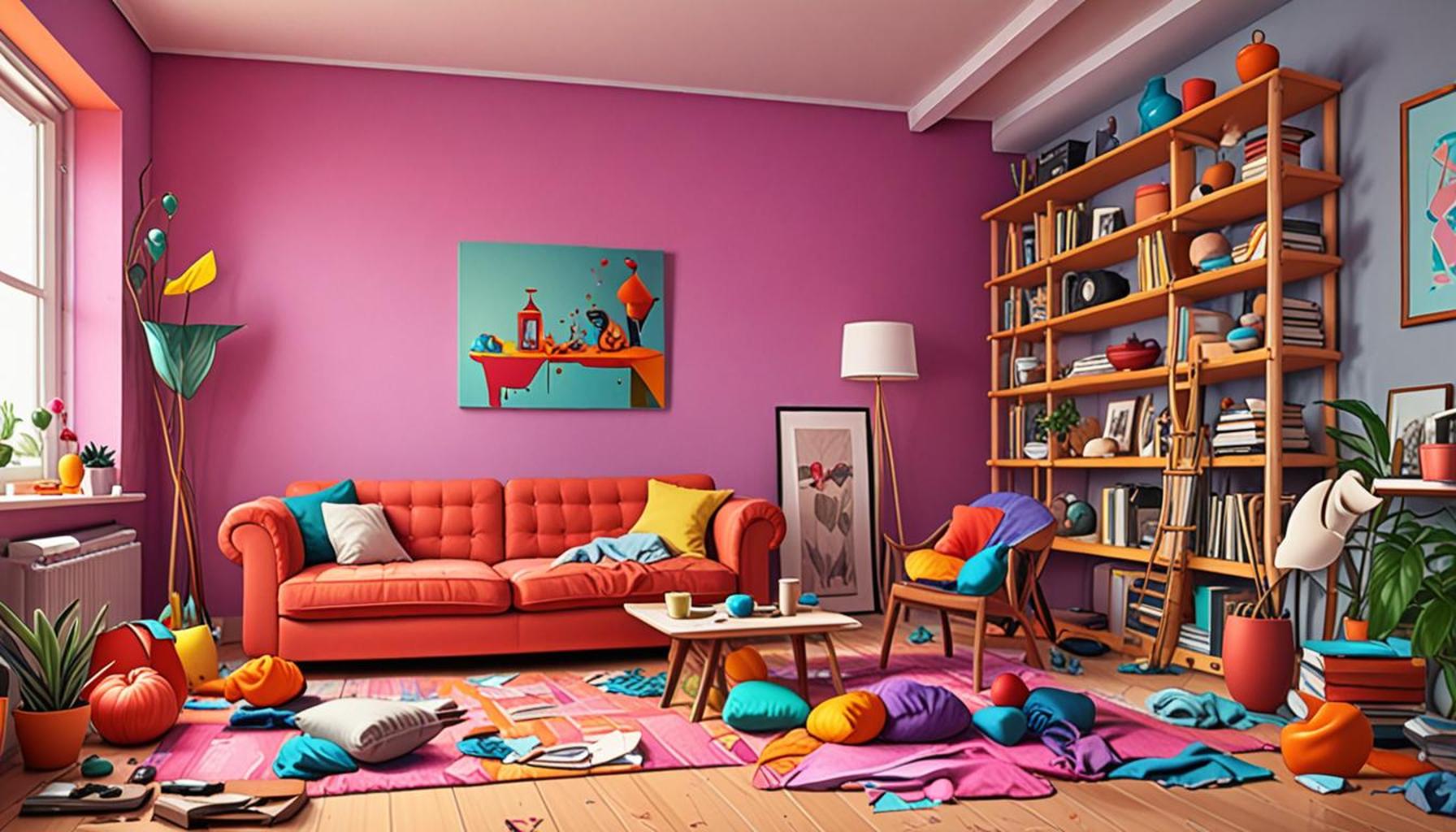
How to Create Daily Routines to Prevent Clutter Buildup

Clutter and Its Impact
In today’s fast-paced lifestyle, where schedules often dictate our daily activities, the buildup of clutter can occur unnoticeably. You may find your living environment gradually transforming from a sanctuary into a space filled with distractions and disarray. This unintended chaos can affect not just the visual appeal of your home, but it can also have significant implications on your mental well-being. By recognizing the necessity of implementing daily routines to stave off this clutter, you can reclaim your space and your peace of mind.
Benefits of Establishing Daily Routines
Routine is a powerful ally in the battle against clutter, providing you with numerous advantages that go beyond mere aesthetics. Here are a few compelling reasons to embrace structured daily practices:
- Time Efficiency: Think of the minutes wasted searching under couch cushions or sifting through junk drawers. Developing a routine cuts down on the time spent looking for lost items. For example, establishing a habit of returning items to their designated places immediately after use can save you valuable time in the long run.
- Reduced Stress: Studies have shown that clutter is linked to increased levels of stress and anxiety. A clean, organized environment can cultivate a sense of calm. Regularly decluttering your space creates an atmosphere that fosters relaxation when you arrive home after a long day.
- Increased Productivity: An organized workspace has been proven to enhance focus and effectiveness. Whether you’re working from home or managing household tasks, a tidy environment allows your brain to concentrate better on tasks at hand, leading to higher quality output.
Simple Practices for a Renewed Space
Creating a routine doesn’t have to feel burdensome. It’s all about starting small and setting achievable goals that flow naturally into your daily activities. Here are a few practical adjustments you can consider integrating into your routine:
- Designate a few minutes each day for tidying up: Set a timer for 10-15 minutes each evening dedicated to picking up items that have strayed from their homes. You’ll be surprised by how much can be accomplished in just a short timeframe.
- Create specific areas for commonly used items: Establishing “homes” for your belongings—like a basket by the entryway for shoes or a drawer for mail—can help maintain order and ease the transition into a more organized lifestyle.
- Establish a “one in, one out” policy: To prevent new clutter from filtering into your home, make it a rule that for every item you bring in, you must let go of another. This can encourage mindful shopping habits and ensure that your belongings remain manageable.
Conclusion
By adopting these simple yet effective strategies, you can disrupt the cycle of clutter and transform your living environment into one that promotes happiness, efficiency, and calmness. Embrace the power of daily routines to cultivate a space that reflects your values and supports your lifestyle. With commitment and consistency, the benefits of an organized, clutter-free home are within your reach, leading you to a more fulfilling, serene life.
DISCOVER MORE: Click here to enhance your productivity
Simple Practices for a Renewed Space
Creating a routine doesn’t have to feel burdensome. It’s about starting small and setting achievable goals that seamlessly integrate into your daily activities. Below are practical adjustments you can consider integrating into your routine to foster a more organized living environment.
- Designate a few minutes each day for tidying up: Allocate a short time frame—ideally 10-15 minutes—each evening to pick up wayward items scattered around your home. Setting a timer can make this task feel less daunting and more like a game. You’ll be amazed at how much you can accomplish in such a brief period. This daily reset can drastically reduce clutter over time, creating an inviting space where stress levels are lower and productivity is higher.
- Create specific areas for commonly used items: Establish designated “homes” for your belongings, such as a basket by the entryway for shoes or a drawer specifically for mail. This not only helps you maintain order but also educates others in your household about where things belong. According to behavioral psychology studies, having a clear and predictable environment can reduce anxiety and enhance focus, making it easier to flow seamlessly through your daily tasks.
- Establish a “one in, one out” policy: To combat the influx of new items into your space, adopt a guideline that for every new item you bring into your home, you must let go of an existing one. This encourages mindful shopping habits and prevents clutter from accumulating. Consider this: if you buy a new jacket, why not donate an old one? This not only creates a physical space but also fosters a sense of accomplishment and mindfulness in your purchasing decisions.
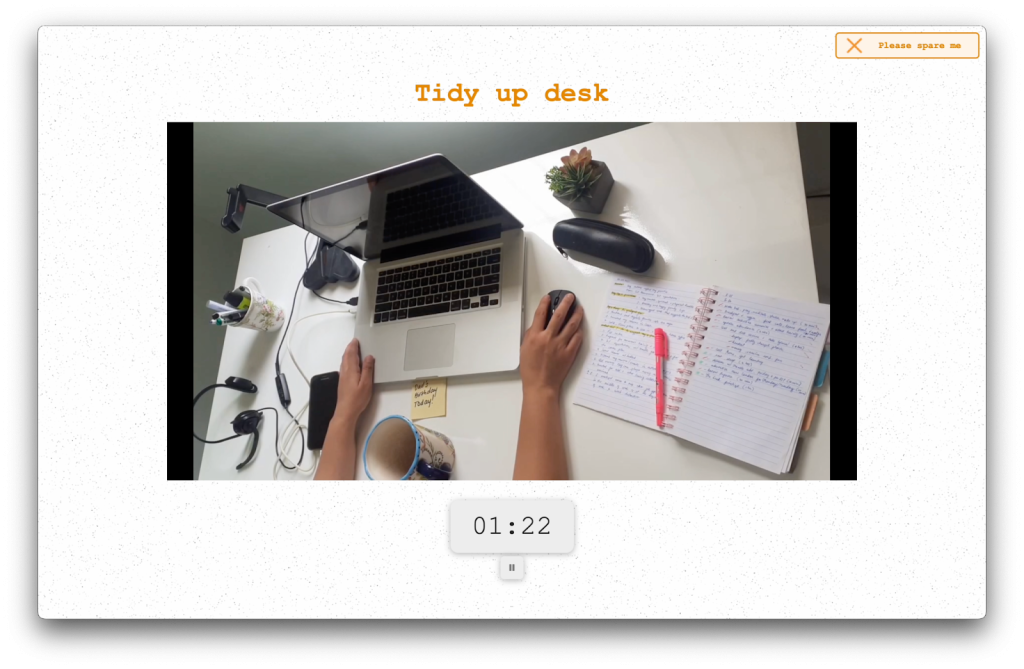
- Prioritize a “clear the surfaces” mantra: Make it a habit to clear off flat surfaces—such as countertops, tables, and desks—every evening. This practice has a profound visual impact on your space; a clean surface can evoke tranquility and clarity, creating a more serene atmosphere. Think about how chaotic it feels to walk into a kitchen filled with stray items as opposed to a clean, organized area ready for meal preparation.
- Incorporate a weekly decluttering session: Beyond the daily tidying, dedicate time once a week specifically for decluttering. Choose a consistent day—like Sunday afternoon—to evaluate your living space, identifying items that can be donated, recycled, or thrown away. This routine promotes continuous improvement, allowing you to start each week fresh and organized. Some may even find it liberating to let go of items that no longer serve them, transforming their environment and mindset in the process.
These small yet impactful changes serve as foundational practices for growing habits that hinder overwhelming situations. In a fast-paced world filled with distractions, structured routines empower you to remain organized and focused, ultimately leading to a less stressful life. By embracing these practices, you not only create a cleaner and more efficient living space but also pave the way to enjoying life with greater peace of mind and clarity.
Moreover, remember that consistent practice is key. Each of these adjustments contributes not only to a tidy home but also to a healthier mental state, reinforcing the notion that your environment directly impacts your well-being. So, why not take that first step today?
Building Effective Daily Routines
Creating structured daily routines is essential for preventing clutter buildup in our living spaces. A well-crafted routine allows individuals not only to manage their time efficiently but also to cultivate positive habits that contribute to a tidier environment. Below are key components and strategies that can be implemented in establishing effective daily routines.
1. Time Blocking
Using a time-blocking technique is an effective approach to scheduling specific tasks throughout the day. By allocating designated blocks of time for cleaning, organizing, or decluttering, individuals can ensure that these vital activities are prioritized. This method reduces overwhelm and fosters a sense of accomplishment as each task is completed.
2. Declutter Daily
Incorporating a daily decluttering session, even if it lasts only 10-15 minutes, can dramatically combat clutter buildup. Identify small areas such as a drawer or a countertop and focus on organizing them systematically. This consistent practice keeps spaces manageable and reduces the temptation to let clutter accumulate over time.
3. Habit Stacking
Consider utilizing the habit-stacking strategy, which involves pairing a new organizing habit with an existing one. For instance, if a person has a routine of making coffee every morning, they can integrate a quick clean of the coffee station right before or after brewing. This method helps reinforce positive behaviors within daily rituals, making tidying up feel less burdensome.
4. Digital Organization
Clutter isn’t limited to physical items; digital clutter can also drain productivity and energy. Establishing daily routines for organizing files, emails, and apps is essential. Set aside time each day to delete unnecessary files and sort important documents into designated folders. By doing so, individuals can create a streamlined digital environment that mirrors their physical space.
5. End-of-Day Clean-Up
A nightly clean-up ritual is a powerful tool for preventing clutter. Designate the last 10 minutes of the day to tidy up common areas and ensure everything is in its place. This routine can significantly influence how one starts the following day, promoting a sense of calm and readiness to tackle new challenges.
Implementing these strategies into daily routines can help build a lifestyle where clutter is managed effectively. By creating these habits, individuals not only foster organization but also appreciate the mental clarity that comes with a decluttered environment.
| Category | Benefits |
|---|---|
| Time Management | Enhances productivity and ensures essential tasks are prioritized. |
| Consistent Tidying | Prevents overwhelming clutter buildup and fosters a sense of control. |
By applying these strategies, anyone can carve out an efficient routine that minimizes clutter and promotes a more organized, peaceful living environment. Explore these practices further to discover the myriad ways they can transform your daily life!
DISCOVER MORE: Click here for effective strategies
Advanced Techniques for Sustained Organization
Once you’ve established the foundational habits to combat clutter, you may want to explore some advanced techniques that can elevate your organizational strategies further. Implementation of these practices not only enhances your efficiency but also empowers you to curate an environment that reflects your values and lifestyle.
- Utilize digital tools for organization: In our technology-driven age, numerous apps and software can assist in keeping your life organized. Consider using tools like Trello for task management or Evernote for note-taking and storing ideas. These platforms enable you to keep track of household chores, shopping lists, and important documents all in one place, eliminating physical clutter. Moreover, research indicates that digital organization can enhance information retention and focus, making it easier to manage multiple responsibilities.
- Practice mindful organizing: This is about being present and intentional as you approach your home organization. As you clean or declutter, ask yourself questions about each item: Does it bring you joy? Is it useful? How often do you use it? By applying a mindful approach, you become more discerning and thoughtful with your possessions, reducing the likelihood of unnecessary purchases and clutter accumulation. Mindful organizing encourages not only a systematic decluttering process but also instills a more profound appreciation for the items you choose to keep.
- Time block your day for organization: Reserve specific blocks of time in your daily schedule dedicated solely to organizational tasks. These could include times for sorting mail, managing emails, or even just reflecting on your organizational strategies. By treating these tasks as appointments, you prioritize organization and develop a routine. Research shows that time blocking enhances productivity; therefore, this practice may ultimately lead to more clutter-free environments.
- Incorporate the “Five-Minute Rule”: This rule is simple but effective—if a task can be completed in under five minutes, do it immediately instead of putting it off. Whether it’s placing a dish in the dishwasher or filing a document, this philosophy helps eliminate small clutter-causing tasks from accumulating throughout the day. According to psychology experts, action bias—taking action instead of avoiding tasks—can significantly reduce procrastination, creating a more orderly space and a lighter mental load.
- Involve your family in the organization process: Engage and educate family members about the importance of maintaining a clutter-free environment. Encourage everyone to contribute to daily routines. This collaborative effort not only distributes the responsibility but also fosters a sense of community and teamwork. By involving children in organizing their own spaces, they learn valuable lessons about responsibility and the significance of a tidy space. Communication is crucial—hold regular family meetings to discuss organizational challenges and brainstorm solutions together.
As you refine these advanced methods, you’ll notice a significant shift in how you view organization and clutter management. The approach to preventing clutter should be dynamic and adaptable, shifting to accommodate your changing lifestyle and needs. Embracing these techniques can not only lead to a more functional and aesthetically pleasing living area but also encourage a healthy mindset. Ultimately, a well-organized space can transform not only your home but also enhance overall well-being and productivity in your daily life.
DIVE DEEPER: Click here to uncover more strategies
Conclusion: Embrace the Power of Daily Routines
In a world where our lives are increasingly fast-paced and filled with distractions, establishing effective daily routines to prevent clutter buildup is not just a matter of preference—it’s a necessity. By prioritizing organization and integrating the strategies discussed, you create an environment that fosters clarity, creativity, and productivity. The key lies in developing habits that resonate with your unique lifestyle and values.
Implementing techniques such as the Five-Minute Rule and involving family members in the decluttering process transforms maintenance into a shared commitment rather than a solitary chore. Moreover, incorporating digital tools can streamline your efforts, allowing for real-time management of tasks while minimizing physical clutter. Each of these strategies collectively contributes to a more balanced space that supports mental well-being.
Moreover, it is essential to remember that mindful organization enhances not just your living environment, but your overall mindset. When you surround yourself with only those items that bring you joy and serve a purpose, you cultivate a space that truly reflects who you are. As you refine your routines and adapt them to your evolving lifestyle, you’ll find that preventing clutter becomes a natural, enjoyable part of your daily life.
Ultimately, a commitment to daily routines related to organization can lead to lasting change. Embrace these practices, and watch as your home transitions into a sanctuary of calm and inspiration. To delve deeper into ways you can enhance your organizational skills, continue exploring resources tailored to your specific needs and preferences.