Detachment and Organization: Strategies for Creating Simplified Spaces at Home

Creating a Tranquil Living Environment
In today’s fast-paced world, the pursuit of a simplified home environment offers more than just aesthetic appeal; it promises psychological relief from the chaos of modern life. Many people in the United States are realizing the benefits of minimalism—not just in their homes, but as a lifestyle choice. By decluttering and bringing order to our surroundings, we can foster an atmosphere that nurtures mental clarity and emotional well-being.
Assess Your Belongings: An important first step in the decluttering process involves taking stock of what really matters. Utilize a method known as the “four-box system,” where you categorize items into “keep,” “donate,” “sell,” and “trash.” This can be an eye-opening experience, especially for those who find it hard to let go of items with sentimental value. Consider examples like a cherished T-shirt from a concert that may carry memories, yet takes up space; deciding to frame it or photograph it digitally can allow you to keep those memories alive while clearing physical clutter.
Establish Functional Zones: After decluttering, think about how to best use your space. Creating designated areas for specific activities—such as a reading nook, a workspace, or a meditation corner—can improve efficiency and help maintain focus within the home. For instance, if you work from home, setting up a “work zone” with minimal distractions can enhance productivity, while a cozy corner with a comfy chair and soft lighting can encourage relaxation and unwinding after a long day.
Minimize Noise: In addition to visual clutter, auditory chaos can disrupt your peace. Consider sound-absorbing elements like area rugs, acoustic panels, or heavy curtains to create a serene environment. These features contribute to reducing unwanted noise, whether from outside traffic or indoor disruptions, fostering a quiet retreat. For instance, installing soft textiles in a home office can ensure that phone calls are clearer, while also creating a calming atmosphere conducive to concentration.
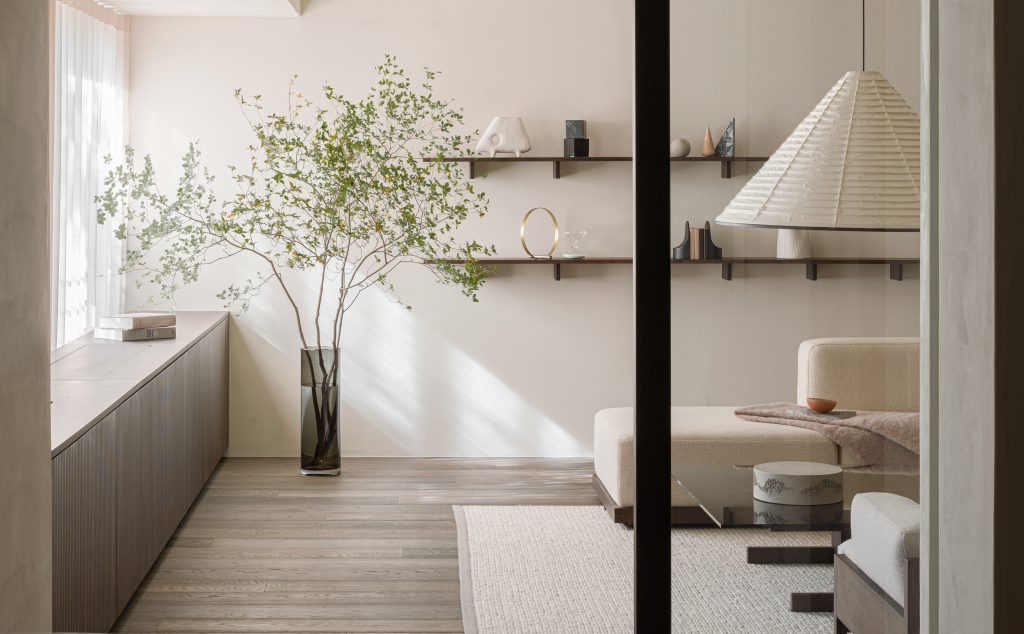
Incorporate Natural Elements: Bringing the outdoors inside can significantly enhance the tranquility of your space. Introduce plants such as succulents or ferns, which are not only aesthetically pleasing but also purify the air. Utilizing natural light through sheer curtains or strategically placing mirrors can make spaces feel larger and more inviting. For instance, adding a large potted tree in a corner can make a living room feel vibrant and connected to nature, promoting a sense of peace.
Implementing these strategies can lead to more than just a neat home; it can also elevate your overall well-being. The practice of digital organization is equally significant in achieving a balanced lifestyle. Just as physical clutter clogs the mind, digital disarray can lead to feelings of overwhelm. Regularly tidying up your digital workspace—whether through organizing files, unsubscribing from unnecessary emails, or clearing out apps—can reinforce the concept of detachment from material possessions and distractions.
Exploring the art of creating a harmonious living space allows for personal growth and a renewed appreciation for simplicity. By adopting principles of minimalism, focusing on mindfulness, and implementing practical solutions, you set the stage for both an organized home and a peaceful mind. This journey toward simplicity opens the door to discovering not just a functional home but also a profound transformation in your daily life.
DISCOVER MORE: Click here to learn about embracing minimalism
Decluttering: The Foundation of a Simplified Home
The art of detachment from material possessions forms the cornerstone of creating a simplified space at home. Many individuals hold onto items for various reasons—sentimental value, perceived future utility, or simply habit. However, letting go can be liberating and profoundly impactful on both physical and mental levels. Research shows that clutter can induce stress and anxiety, leading to decreased focus and productivity. Thus, understanding how to detach from unnecessary items is essential in establishing an organized home.
Embrace the “One Year Rule”: A practical approach to determining what to keep and what to part with is the “One Year Rule.” If you haven’t used or worn an item in the past year, it may be time to reconsider its place in your home. This guideline prompts discernment and helps individuals prioritize what truly enriches their lives, minimizing the chances of clutter reaccumulation. For instance, seasonal clothing can often take up more space than necessary, especially if they remain untouched during off-seasons.
Utilize the “Five-Item Challenge”: To make decluttering more engaging, consider implementing the “Five-Item Challenge.” Each week, select five items to part with, whether through donation or recycling. This method fosters a sense of achievement and slowly transforms cluttered spaces into simplified zones without overwhelming oneself. Over the course of a year, this small habit could extrapolate to over 250 items! Envision the renewed space that would create for your home.
Mindful Consumption: An integral part of achieving a simplified space is practicing mindful consumption. It’s crucial not only to clear out excess belongings but also to be conscious of new purchases. Before making a decision, ask yourself if the item aligns with your values and if it has a designated space in your home. By setting a threshold for incoming items, you effectively keep your space structured and avoid falling back into clutter chaos.
Create a Decluttering Schedule: Establishing a routine can make the decluttering process feel more manageable. Consider allocating time weekly or monthly specifically for organizing your belongings. Here are some tips for creating your decluttering schedule:
- Set a specific day and time each week for decluttering sessions.
- Choose one room or area to focus on per session.
- Invite family members to participate, promoting collective ownership over the home environment.
- Make it enjoyable—put on your favorite podcast or music while you work.
Incorporating these loving acts of detachment into your life creates not only a simplified and organized living space but allows for breathing room in your mind and soul. With less complexity in our physical environments, we can cultivate more simplicity in our emotional landscapes. The benefits of a decluttered home extend beyond its walls; it lays the groundwork for healthy living habits that resonate throughout other aspects of life, fostering a sense of achievement, calmness, and clarity.
| Category | Benefits |
|---|---|
| Decluttering Strategies | Streamline your space by removing unnecessary items, reducing visual chaos and stress. |
| Organizational Tools | Enhance functionality of areas in your home through the use of storage solutions such as bins, shelves, and drawer organizers. |
Creating simplified spaces at home is more than just an aesthetic pursuit; it is closely tied to mental clarity and emotional wellness. Engaging in effective decluttering strategies can help you streamline your space, which in turn reduces visual chaos and stress. When you prioritize what remains in your home, you cultivate an atmosphere that is conducive to relaxation and productivity. On the other hand, incorporating various organizational tools can significantly enhance the functionality of your living spaces. From attractive storage bins to wall-mounted shelves, these tools not only help keep your belongings in order but also enable easy access to items when needed. By mastering these strategies, you can create a home that reflects peace and order, inviting you to explore the possibilities of an organized lifestyle.
DISCOVER MORE: Click here to learn about mindful living
Organizing: Crafting a Functional and Inviting Space
Once you’ve embraced the process of decluttering, the next phase is to establish a well-organized environment that fosters tranquility and efficiency. Organization not only helps in maintaining a clutter-free home but also enhances your daily life by allowing you to locate items effortlessly. An intentional approach to organization involves developing systems that are logical and tailored to your lifestyle.
Understand the Four Types of Organizational Systems: There are four primary organizational systems to consider when structuring your space:
- Spatial Organization: This is about utilizing space efficiently. For example, vertical shelving can maximize limited floor space, while clear bins can help categorize items neatly, making them easily accessible.
- Chronological Organization: Often useful for documents, bills, or seasonal items. Maintain a filing system sorted by date or frequency of use, ensuring you can find important materials quickly.
- Functional Organization: Group similar items together based on their use. Keep kitchen appliances near the cooking area, and arrange office supplies within arm’s reach of your workspace.
- Emotional Organization: This involves creating spaces that bring joy. Allocate a specific area to display cherished memories, like photographs or souvenirs, while ensuring that these items resonate with your current self.
Rethink Storage Solutions: As you embark on your organizing journey, consider innovative storage solutions that align with each room’s functionality. For instance, multifunctional furniture can serve dual purposes; a coffee table with storage underneath can keep clutter at bay while being aesthetically pleasing. Similarly, under-bed storage boxes can be a game-changer for bedrooms, allowing for easy access to rarely used items while maximizing space.
Labeling for Clarity: Implementing a labeling system can significantly enhance your organizational efforts. When everything has a designated home, and its location is marked, anyone in the household, including children, will easily know where items belong. Whether it’s bins, shelves, or document folders, clear labels minimize confusion and reinforce the habit of returning items to their proper place.
Establish a Daily Routine: An essential component of maintaining an organized home is developing a daily routine. Designate a few minutes each day to tidy up your space. Simple tasks, such as returning misplaced items or wiping down surfaces, can prevent clutter from building back up and help retain the serenity you’ve cultivated. Consider committing to a 10-minute nightly tidying session for a refreshing start to the next day.
Involve the Entire Family: Keeping a home organized is a collective effort. Integrating your family members into the organization process not only assigns shared responsibility but also teaches valuable skills. Family DIY days can be dedicated to organizing specific areas or rooms, transforming it into a fun, bonding experience. Children learn the importance of maintaining their spaces, ensuring that the lessons of detachment and organization resonate with them long-term.
While the journey towards creating simplified spaces may seem daunting initially, embracing these organization strategies can transform your home into a sanctuary of calm and efficiency. The rewards of such a space extend far beyond mere aesthetics; they foster mental clarity and facilitate a harmonious lifestyle that allows individuals to thrive both personally and professionally. By continuously applying these practices, you instill a culture of simplicity and intentionality that elevates the overall quality of life at home.
DIVE DEEPER: Click here for more insights
Conclusion: Embracing Simplicity for a Balanced Life
In a world inundated with distractions and excess, the journey of detachment and organization emerges as a powerful antidote to chaos within our homes. By consciously choosing to simplify our spaces, we not only cultivate an environment ripe for relaxation and productivity but also nurture our mental well-being. Throughout this article, we explored various strategies that empower you to craft and maintain an organized space tailored to your lifestyle.
Building upon the principles of spatial, chronological, functional, and emotional organization, we highlighted the critical role that effective storage solutions and daily routines play in sustaining a clutter-free sanctuary. Implementing a well-planned labeling system ensures clarity, allowing every member of the household to participate actively in maintaining order. The essence of this organizational journey lies in the understanding that these practices forge lifelong habits, teaching our families the value of simplicity.
As you embark on or continue your journey toward simplified living, remember that every small step counts. Embrace the power of decluttering and the wisdom of organization, and watch as these changes ripple through your personal and professional spheres. Ultimately, the transformation of your home into a space that nurtures both body and mind propels you toward a more harmonious existence. Together, let us celebrate simplicity and organization as tools not just for creating beautiful spaces, but for enriching our lives in profound ways.