
Crafting a Minimalist Home: Intentional Choices in Design and Decor
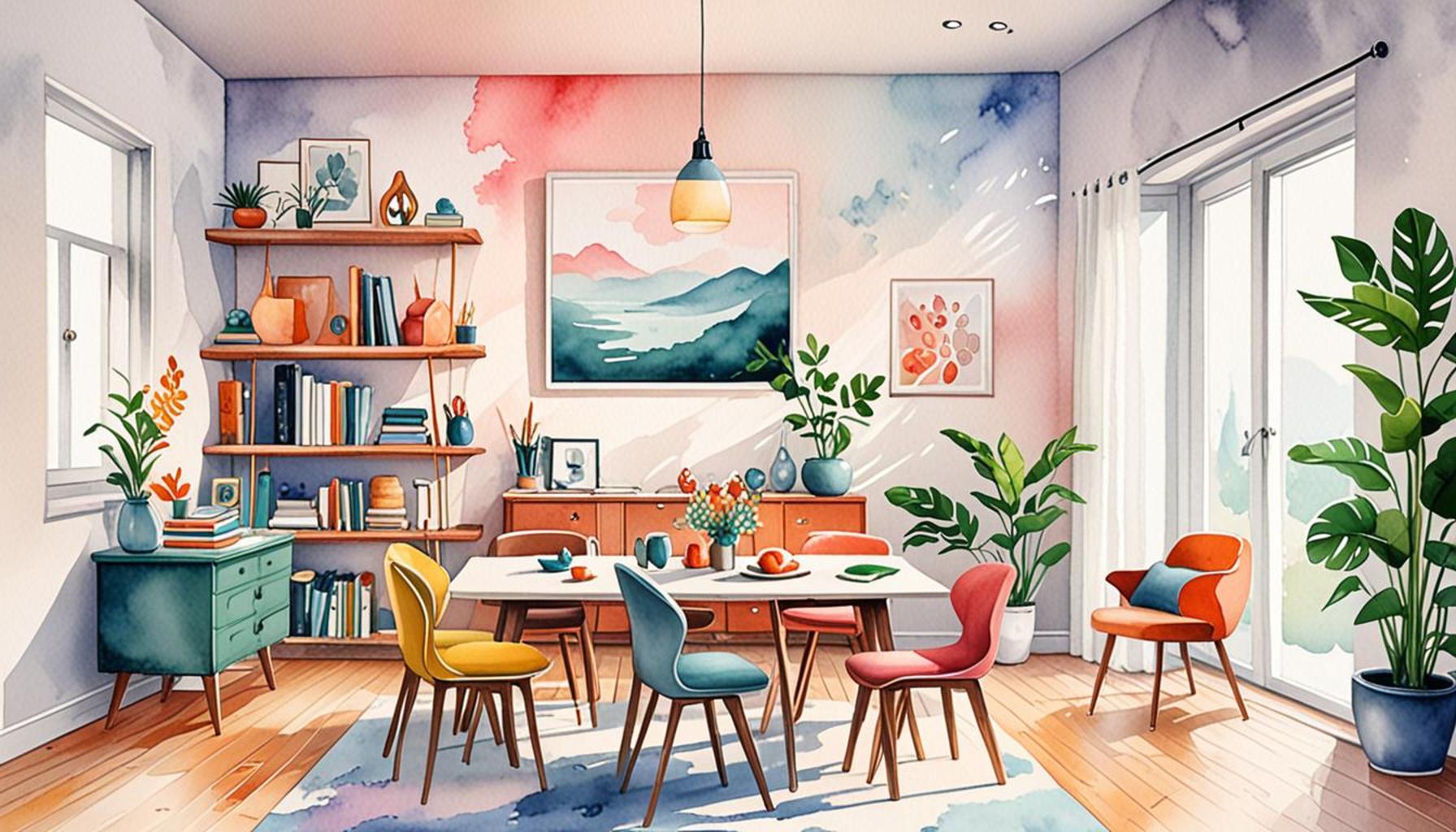
Embrace the Beauty of Simplicity
In a world filled with distractions and clutter, the allure of a minimalist home is undeniable. Crafting a space that promotes tranquility and clarity often begins with intentional choices in design and décor. By focusing on fewer elements, homeowners can create environments that reflect personal values and enhance well-being. The minimalist philosophy advocates for order and serenity, stressing how a well-curated home can lead to improved mental clarity and reduced stress levels.
Consider these essential aspects of minimalist living:
- Functionality: Every item should serve a purpose. This doesn’t mean living without comfort; rather, it encourages selecting furnishings that fulfill multiple roles. For example, a coffee table that doubles as a storage unit can minimize wasted space while providing utility.
- Quality Over Quantity: Invest in fewer, high-quality pieces. Rather than filling your home with mass-produced items, choose artisanal or sustainably made products that are not only durable but also aesthetically pleasing. An example is a handcrafted wooden chair that showcases craftsmanship and style while using less environmental resources.
- Neutral Color Palettes: Emphasize calmness and spaciousness by utilizing soft hues such as beige, whites, and greys. These colors not only create a soothing ambiance but also make smaller spaces appear larger and more open, a favorable quality in densely populated urban areas.
- Natural Light: Maximize sunlight to create warmth. Positioning mirrors strategically can amplify light during the day, while sheer curtains allow light to filter in softly, enhancing the room’s atmosphere.
- Open Spaces: Keep areas clear to foster a sense of freedom. Open floor plans are particularly popular in minimalist design, as they create fluidity between living spaces, allowing movement to be unimpeded.
The journey toward a minimalist lifestyle can lead to newfound clarity, both physically and mentally. Studies have indicated that a decluttered living space can result in better focus and a greater sense of calm. As you explore this approach, you’ll find that less really can be more. This transition doesn’t have to be daunting—starting small, such as decluttering a single room or corner, can pave the way for deeper change.
Furthermore, adopting minimalist principles often extends beyond the physical environment. It can influence lifestyle choices, such as prioritizing experiences over material possessions. Instead of accumulating countless items, individuals may find joy in travel, creativity, or quality time with loved ones, discovering that the richness of life lies in cherished moments rather than things.
Join us as we delve deeper into the elements and techniques that can help you master the art of crafting a minimalist home, where every choice is deliberate and meaningful. Explore how this lifestyle can not only transform your living environment but also promote a more intentional approach to life itself.
DIVE DEEPER: Click here to elevate your productivity
Essential Principles of Minimalist Design
To embark on the journey of creating a minimalist home, it is essential to grasp its underlying principles that encourage a simple, yet impactful, approach to living spaces. Embracing these principles not only transforms your physical environment but also encourages a mindset shift towards intentionality in everyday life. Here are some foundational elements to consider:
- Decluttering: The first step towards a minimalist home is evaluating your belongings. This entails scrutinizing each item and deciding whether it truly brings joy or serves a purpose. A practical method to begin this process is the KonMari Method, developed by tidying expert Marie Kondo. This approach encourages individuals to discard items that do not evoke joy, leading to a more curated space.
- Mindful Organization: Once decluttering is complete, the way you organize remaining items becomes crucial. Utilize multifunctional storage solutions, such as under-bed containers or wall-mounted shelves, to maximize space. Another strategy is to adopt a “one in, one out” policy; for every new item brought into the home, one existing item is removed, preventing accumulation.
- Multi-Functional Spaces: As urban living often entails limited square footage, creating multi-functional spaces is paramount. Designing spaces that can easily transition between uses—like a guest bedroom that doubles as an office—optimizes space and enhances functionality. Furniture such as folding tables or modular seating can aid in this goal, allowing seamless transformation.
- Timeless Design: When selecting furniture and décor, prioritize timeless designs that endure trends and fads. Focus on shapes, materials, and colors that stand the test of time—simple, elegant lines in neutral tones often epitomize minimalist aesthetics. Investing in pieces that you will not feel the urge to replace frequently will further accentuate a clutter-free environment.
- Nature Integration: Incorporating elements of nature into your home can reinforce the tranquil atmosphere characteristic of minimalist living. Utilize natural materials like wood, wicker, or stone, and consider adding indoor plants to enhance air quality and create a serene ambiance. Bringing nature indoors fosters a connection that enhances mental well-being.
These principles serve as a roadmap to successfully navigate the minimalist lifestyle, making it easier to appreciate the elegance of simplicity. As you apply these concepts, consider documenting your progress, allowing space to appreciate your transformation while inspiring others around you. A minimalist home is more than just aesthetic; it’s about cultivating a sanctuary that nurtures personal creativity and invites peace into your daily life.
Incorporating minimalism into your home can serve as the catalyst for deeper change, echoing the sentiment that our spaces reflect our priorities. By consciously choosing each element in your living environment, you can create a harmonious balance between functionality and beauty, enriching your overall quality of life.
Crafting a Minimalist Home: Intentional Choices in Design and Decor
As we delve deeper into the world of minimalism, it’s essential to explore the intentional choices that define minimalist design. Each element in a minimalist home serves a purpose, often leading to spaces that exude both calmness and clarity. The philosophy behind intentionality in design goes beyond aesthetics; it encapsulates a lifestyle choice that emphasizes simplicity and functionality.
One core aspect of minimalist decor is the color palette. Neutral tones such as whites, grays, and beiges dominate the minimalist aesthetic, creating a serene and uncluttered environment. This choice is not solely based on trends; it also affects mood and perception within a space. Incorporating natural light through large windows and unobstructed views enhances the feeling of openness, making rooms feel airy and welcoming.
Furthermore, furniture selection is paramount in achieving a minimalist home. Opting for multifunctional pieces allows homeowners to maximize utility without overwhelming the space. For instance, a stylish coffee table that serves as storage or a sofa that folds out into a guest bed exemplifies how form and function can harmoniously coexist.
Moreover, the importance of decluttering cannot be overlooked. Minimalist homes prioritize quality over quantity. By eliminating excess items, individuals can curate a more meaningful living space filled with only those things that truly bring joy or serve a purpose. This not only enhances physical space but also significantly impacts mental clarity, fostering a peaceful state of mind.
Finally, the integration of natural elements, such as plants or organic materials, adds warmth to minimalist interiors. These elements serve as a counterbalance to the sleek lines and plain backgrounds typical of minimalism, infusing life and freshness into the design. This thoughtful interplay between simplicity and nature enriches the experience of living in a minimalist home.
| Category 1 | Category 2 |
|---|---|
| Color Palette | Creates a serene environment with neutral tones. |
| Furniture Selection | Multi-functional pieces for maximum utility. |
In conclusion, crafting a minimalist home is an art that lies in the intentional choices made in design and decor. By choosing wisely, individuals can create not just spaces, but environments that breathe life, clarity, and tranquility into everyday living.
DISCOVER MORE: Click here to dive deeper into intentional living
Building a Minimalist Aesthetic
Creating a minimalist home goes beyond decluttering; it involves carefully curating your interior to achieve an aesthetic that embodies simplicity and tranquility. Each choice you make should not only align with minimalist principles but also reflect your personal style. Understanding the factors that play into design and decor can significantly enhance your journey toward a minimalist lifestyle. Here are some key aspects to consider:
- Color Palette: Embrace a neutral color palette to evoke calmness and cohesion. Soft whites, grays, beiges, and muted pastels can create an inviting atmosphere, allowing spaces to feel more open. Accent colors can be introduced sparingly through natural elements like houseplants or art pieces, providing gentle focal points without overwhelming the senses.
- Quality Over Quantity: Invest in fewer, high-quality pieces rather than filling your space with multiple lower-quality items. Choose furniture and decor that not only serve a functional purpose but also showcase exceptional craftsmanship. This approach not only supports ethical consumption but also elevates the overall aesthetic and longevity of the home.
- Streamlined Furnishings: Opt for furniture that embodies minimalist design—think clean lines and geometric shapes. For example, Scandinavian or Japanese-inspired pieces often feature simplicity in form and function, contributing to a harmonious environment. Look for items that are both stylish and functional, such as ottomans with hidden storage or coffee tables that can double as workspaces.
- Strategic Minimalism: While less is more in minimalist design, intentionality is vital. Strategically select a few standout pieces that captivate attention and represent your personality. This could be a striking piece of artwork or a unique sculpture. The goal is to invite admiration for these selected items rather than create a visual distraction.
- Emphasis on Light: Natural light is a defining element of a minimalist home. Use sheer curtains or blinds that can be easily opened to invite sunlight, enhancing the feeling of spaciousness. Additionally, mirrors can be employed to reflect light, amplifying brightness and creating an illusion of depth in smaller spaces.
As you craft each aspect of your minimalist home, remember that functionality should always harmoniously align with aesthetics. Every design choice can enrich your living experience and reinforce the philosophy of minimalism, where simplicity invites clarity and purpose.
When decorating your space, consider adding personal touches that communicate your journey towards minimalism. This could include incorporating handmade decor items or family heirlooms that spark joy and connect you to your past. By finding the sweet spot between personal expression and minimalist design, you enhance the narrative of your space while fostering a sense of belonging.
Ultimately, the pursuit of a minimalist home is an exploration of intentional living. As you navigate through this journey, allow yourself to embrace change, discover new ideas, and experiment with innovative solutions that reflect your evolving lifestyle. Minimalism is not merely a trend; it serves as a transformative approach to creating a peaceful refuge that resonates with your identity.
DISCOVER MORE: Click here to learn about minimalism and mental health
Conclusion: The Journey to a Minimalist Sanctuary
In conclusion, crafting a minimalist home is a rewarding journey that encompasses more than just aesthetic choices; it reflects an intentional lifestyle centered on clarity, purpose, and personal expression. By adopting principles like a carefully curated neutral color palette, emphasizing the quality of materials, and choosing streamlined furnishings, you create an environment that not only promotes physical space but also mental tranquility.
As you incorporate elements of strategic minimalism, let your home tell your story through thoughtfully chosen features that resonate with who you are. Personal touches like meaningful artwork or cherished heirlooms can coexist with the minimalist design, adding character without compromising the overall ethos of simplicity. In essence, your living space can become a reflection of your values and aspirations, offering both comfort and inspiration.
Beyond mere decor, minimalism invites you to cultivate a more intentional approach to consumption and organization, encouraging a lifestyle that prioritizes and cherishes experiences over possessions. Embracing this mindset can not only transform your home but can also influence other facets of your life, fostering a sense of peace in an often chaotic world.
As you embark on this journey towards a minimalist lifestyle, consider it a continuous path of discovery and adaptation. Each decision you make can lead to a home that feels both authentic and serene—a true sanctuary where less truly becomes more.