Comparing Commercial Eco-Friendly Cleaning Products: Which Brands Are Truly Sustainable?
Understanding the Impact of Your Cleaning Products
In an age where environmental consciousness is on the rise, the cleaning products we use have come under sharper scrutiny. Traditional cleaning agents often contain harsh chemicals that can contribute to health issues and environmental degradation. This has fueled a significant demand for eco-friendly solutions. Despite the surge in popularity of these products, a critical question surfaces: which brands are truly sustainable in their approach to cleaning?
Key Factors in Evaluating Eco-Friendly Cleaning Products
When assessing the sustainability of a cleaning product, several crucial factors should come into play. First, consider the ingredients. Look for products that utilize plant-based and non-toxic elements. For example, brands that use coconut oil or vinegar as primary ingredients often provide effective cleaning power without harmful side effects. Secondly, examine the packaging. Is it recyclable or even biodegradable? Eco-conscious consumers should seek products that minimize plastic waste and encourage recycling through innovative packaging solutions.
Additionally, investigate the certifications associated with the products. Trusted eco-labels such as Green Seal or EcoLogo serve as benchmarks for sustainability. These certifications often require thorough testing, ensuring that products adhere to strict environmental standards. Understanding these labels can help consumers navigate the marketplace and avoid the pitfalls of greenwashing.
The Risks of Greenwashing
As the eco-friendly market expands, so does the risk of companies engaging in greenwashing, where brands mislead consumers about their commitment to sustainability. Many products front eco-friendly labels, but upon closer examination, their practices fall short of industry standards. This phenomenon complicates the decision-making process for environmentally conscious consumers, making it imperative to conduct thorough research.
Brands Worth Exploring
For those keen on investigating genuinely sustainable options, consider exploring brands such as:
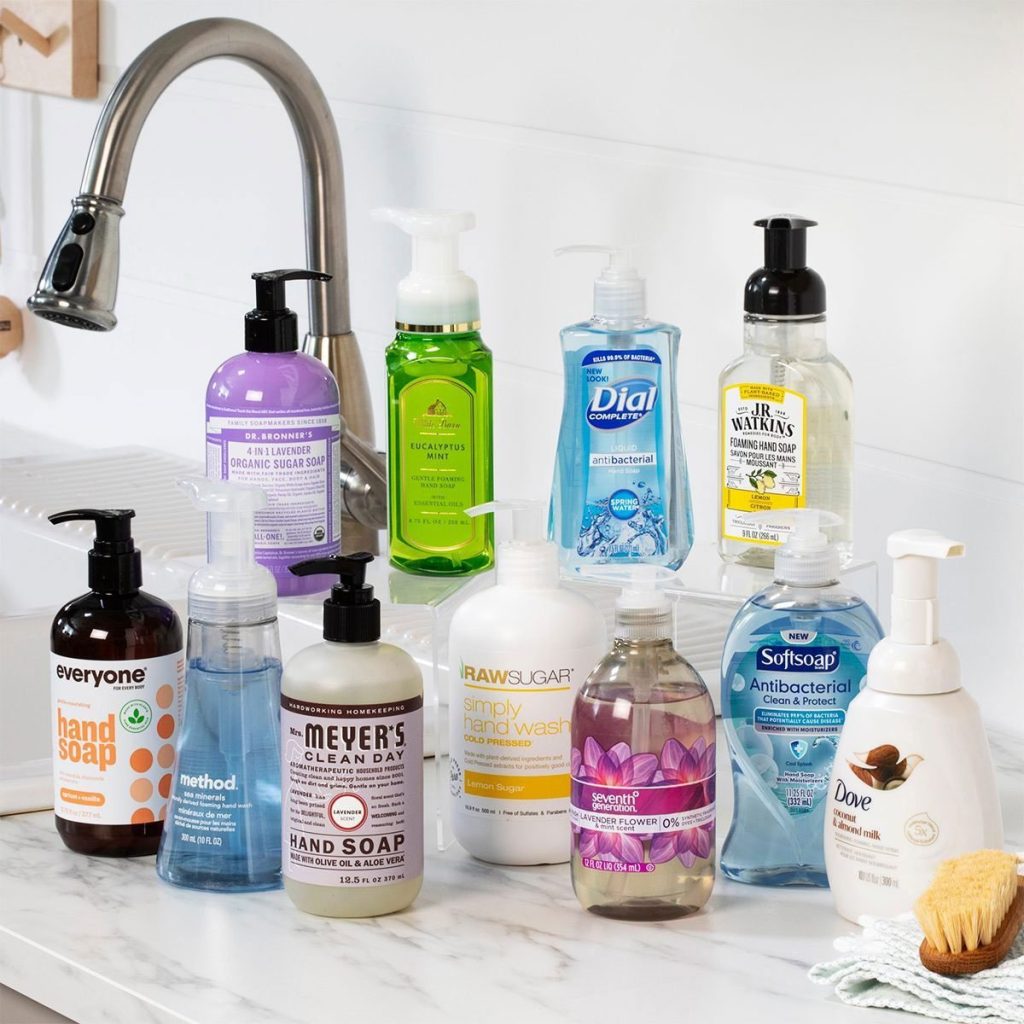
- Seventh Generation – Renowned for its transparency regarding ingredients, Seventh Generation offers a comprehensive list of components for all products, allowing consumers to understand precisely what they are bringing into their homes.
- Method – Known for their innovative approach, Method not only focuses on biodegradable formulas but also uses recycled materials for their striking packaging, making sustainability visually appealing.
- Mrs. Meyer’s Clean Day – With a garden-inspired ethos, this brand emphasizes the use of essential oils and naturally derived ingredients, creating cleaning products that smell good while remaining environmentally friendly.
As you navigate the complex world of eco-friendly cleaning products, take the time to understand the practices and compositions behind these brands. By doing so, you can genuinely determine what it truly means to be sustainable, ultimately benefiting both your household and the environment.
DISCOVER MORE: Click here to learn essential maintenance tips
Evaluating Eco-Friendly Cleaning Products: What to Look For
As the demand for eco-friendly cleaning products rises, consumers are often left pondering how to distinguish between genuinely sustainable brands and those that merely claim to be green. To cut through the noise, understanding specific attributes of these products is essential. This analysis will focus on critical criteria that can help consumers make informed choices when selecting eco-friendly cleaning options.
Ingredients: The Foundation of Sustainability
The primary aspect to scrutinize in any cleaning product is its ingredient composition. Eco-friendly cleaners should ideally feature plant-based and biodegradable ingredients, minimizing harmful chemicals that can adversely affect both human health and the environment. For instance, common ingredients such as baking soda, essential oils, and citric acid not only boast cleaning power but also align with sustainable principles. Brands like Seventh Generation often detail their ingredient lists, emphasizing transparency and allowing consumers to understand what they are inviting into their homes. This practice not only engenders trust but also aids consumers in making health-conscious choices.
Packaging Matters: A Second Layer of Sustainability
The discussion regarding sustainability continues beyond just ingredients; packaging also plays a pivotal role. Products wrapped in traditional plastic can contribute to the growing global waste crisis. When shopping for eco-friendly cleaners, look for brands that utilize recyclable or compostable packaging. For example, Method champions this cause by developing their bottles from recycled plastics, effectively combining stylish design with sustainability. Furthermore, brands that adopt refill stations or encourage bulk purchasing can further reduce plastic usage, thus addressing both environmental concerns and consumer convenience.
The Role of Certifications in Choosing Eco-Friendly Brands
Another crucial factor in determining a product’s sustainability is the presence of certifications. Eco-labels such as Green Seal and EPA Safer Choice signify compliance with stringent environmental standards, providing a reliable framework for consumers. These certifications often encompass not only ingredient safety but also manufacturing processes and packaging sustainability. By opting for certified products, consumers can more confidently navigate the eco-friendly landscape, minimizing the risk of falling victim to misleading marketing tactics often associated with greenwashing.
Identifying Potential Greenwashing
As businesses rapidly adapt to the growing demand for eco-friendly solutions, the risk of greenwashing—where companies overstate their environmental credibility—has never been higher. It is vital for consumers to remain vigilant and critical of claims made by brands. An effective way to identify potential greenwashing is to look for specific information and proof of sustainability metrics. For instance, does the brand provide robust data about its sourcing practices, production processes, or community involvement? Such transparency is a hallmark of genuinely sustainable brands and a reliable indicator that they are invested in ethical practices.
As you wade through the myriad of eco-friendly cleaning products, remember that informed decisions begin with understanding what sustainability truly entails. By focusing on ingredients, packaging, certifications, and being wary of greenwashing, you can select products that not only clean effectively but also align with your environmental values.
| Category | Features |
|---|---|
| Biodegradable Packaging | Reduces landfill waste and encourages recycling practices. |
| Non-Toxic Ingredients | Safe for families and pets, minimizing chemical exposure in the home. |
| Carbon Neutral Production | Mitigates environmental impact through sustainable manufacturing practices. |
| Fair Trade Sourcing | Supports ethical labor practices and contributes to community development. |
The comparison of commercial eco-friendly cleaning products reveals a confluence of benefits that not only cater to the cleaning needs of households but also align with sustainability goals. Biodegradable packagingnon-toxic ingredients underscore the promise of safety within our spaces, inviting consumers to enjoy a cleaner environment without the worry of hazardous chemicals. Research indicates that exposure to certain cleaning agents can have long-term health effects, thus making it paramount that these products avoid harmful formulations.Additionally, the focus on carbon-neutral production showcases eco-friendly brands that strive to balance their carbon footprint, further appealing to the environmentally-conscious consumer. This commitment to sustainability is complemented by fair trade sourcing, which plays a crucial role in empowering communities and ensuring sustainable development practices.As consumers navigate their choices in this space, staying informed about these features can illuminate the sustainability journey of cleaning products and their true impact on our planet.
DISCOVER MORE: Click here for DIY home maintenance hacks
Understanding Brand Values and Environmental Impact
With many products vying for attention on store shelves, it is essential to consider the brand values and overall environmental impact of companies producing eco-friendly cleaning products. A brand’s commitment to sustainability is often reflected in its corporate practices and philanthropic efforts. Brands that actively engage in environmental advocacy, contribute to community-based projects, or support social enterprises indicate a genuine investment in sustainability beyond just product claims.
Life Cycle Assessment: The Holistic Approach
Another vital aspect of evaluating eco-friendly products is understanding the life cycle assessment (LCA) of the products. LCA examines the environmental impacts associated with all stages of a product’s life, from raw material extraction to production, distribution, use, and disposal. Companies that prioritize LCA often modify their processes and materials to minimize their ecological footprint. For instance, a brand like Eco-Discoveries emphasizes reducing their carbon emissions from production to packaging, showcasing their holistic approach to sustainability. This dimension of sustainability empowers consumers to make choices that support not just cleaner products but cleaner production methods.
Sourcing and Ethical Practices
The origin of ingredients plays a crucial role in sustainability. Brands that practice sustainable sourcing often support local farmers, avoid over-extraction, and ensure that raw materials are harvested responsibly. For example, companies such as Dr. Bronner’s are known for their commitment to fair trade practices and organic farming. By choosing products that adhere to ethical sourcing standards, consumers can support not just the environment but also communities and economies affected by industrial farming practices.
Performance and Efficacy: Balancing Cleanliness and Sustainability
While sustainability is paramount, the effectiveness of cleaning products remains a serious consideration. A product cannot be deemed successful if it fails to provide adequate cleaning results. Brands like Mrs. Meyer’s Clean Day have gained traction not only due to their eco-friendly formulations but also their strong performance marks. It’s valuable for consumers to research independent testing and review findings; brands that consistently rank high in efficacy while maintaining sustainability often dominate the market. Performance evaluations can be a driving force behind encouraging brands to innovate further in green chemistry.
Customer Engagement and Transparency
Lastly, customer engagement and transparency are also essential indicators of a brand’s authenticity. Companies that actively seek feedback, involve customers in sustainability dialogues, and maintain open communication often foster greater loyalty and trust. For instance, Clean Cult encourages consumers to participate in their sustainability initiatives and openly shares their challenges and successes as they transition to greener practices. When brands invite customers into their process, it cultivates a sense of shared responsibility in promoting eco-friendly practices.
In examining the sustainability of commercial eco-friendly cleaning products, consumers can employ a multilayered approach by evaluating brand values, life cycle assessments, sourcing methods, performance, and customer engagement. With an informed perspective, it becomes easier to discern which brands exemplify true sustainability. This journey in understanding eco-friendly products not only empowers consumers to make responsible purchases but also supports a larger movement towards environmental accountability.
DISCOVER: Click here to learn how to tackle small issues before they escalate</
Final Thoughts on Eco-Friendly Cleaning Brands
In the quest for a cleaner home and a healthier planet, understanding commercial eco-friendly cleaning products goes beyond just reading labels; it involves uncovering the intricate facets of sustainability. As consumers, we have the power to drive change by choosing brands that exemplify strong ethical practices, transparent communication, and a true commitment to minimizing their environmental impact. Through a rigorous evaluation of life cycle assessments, path of sourcing, effectiveness of products, and overall brand integrity, we can identify which companies deserve our trust and support.
The reality is that not all eco-friendly products are created equal. While some brands effectively combine performance with sustainability—such as Mrs. Meyer’s Clean Day and Dr. Bronner’s—others may merely capitalize on the green trend without backing it up with substantial practices. Thus, as consumers armed with information, we can discern true commitment from mere marketing, fostering a culture where brands are held accountable for their claims.
To amplify our impact, engaging with brands and participating in dialogues about sustainability can forge a deeper connection and push companies towards greater transparency. By prioritizing brands that not only promise but actively pursue eco-friendly solutions, we can collectively accelerate the shift toward cleaner, greener households across the United States. This opportunity is not just about cleaning our homes—it’s a movement towards creating a sustainable future for generations to come.