Cleaning Methods for Different Surfaces: How to Adapt Your Techniques for Floors, Walls, and Furniture
Understanding Surface-Specific Cleaning Needs
When it comes to maintaining a healthy home environment, it is essential to recognize that not all surfaces are created equal. Each type of surface in your home, from the floors beneath your feet to the furniture you use every day, requires specific care and attention. Adapting your cleaning methods to suit these surfaces will not only enhance their appearance but can also prolong their lifespan.
Floors are subjected to daily wear and tear, and understanding the nuances of different flooring types can make a significant difference. For instance, hardwood floors require gentle cleaning solutions to avoid damaging the finish, while ceramic tiles can withstand stronger detergents. Using a damp mop for hardwood is advisable, as excess water can warp the wood. Meanwhile, carpets can trap dust and allergens; regular vacuuming followed by occasional steam cleaning can drastically improve air quality—a consideration especially critical for households with allergies.
Walls might seem straightforward, but their treatment can vary widely. A flat paint finish, often used in living spaces, requires careful washing to avoid streaks, while semi-gloss or gloss finishes can withstand more robust cleaning agents. Wallpaper poses its own challenges; many types are sensitive to water and chemical cleaners. It is advisable to consult the wallpaper’s manufacturer recommendations for cleaning to prevent peeling or fading. Furthermore, for those with kids or pets, frequent touch-ups might be necessary, making it helpful to keep extra paint on hand that matches your wall color.
Furniture also deserves individualized attention. Upholstered items can accumulate stains and odors, necessitating regular vacuuming with a brush attachment and occasional deep cleaning with a steam cleaner, following manufacturer guidelines to avoid fabric damage. Wooden furniture, while often more durable, can benefit from polishing with a suitable wood care product to maintain its luster. Metal furniture can be wiped down with a damp cloth and gentle soap, but be cautious of using abrasive cleaners that can scratch the surface.
In any cleaning regimen, consider the following factors: Material Type, as it greatly influences how you should approach cleaning. Natural materials, like stone, might require pH-neutral cleaners, while synthetic materials can handle harsher chemicals. Additionally, Stains and Messes should be identified correctly; for example, grease stains on kitchen surfaces might respond best to baking soda or commercial degreasers, while ink stains could require rubbing alcohol. Lastly, consider Frequency—high-traffic areas like entries and living rooms will demand more frequent cleaning to keep them looking their best compared to rarely used guest rooms.
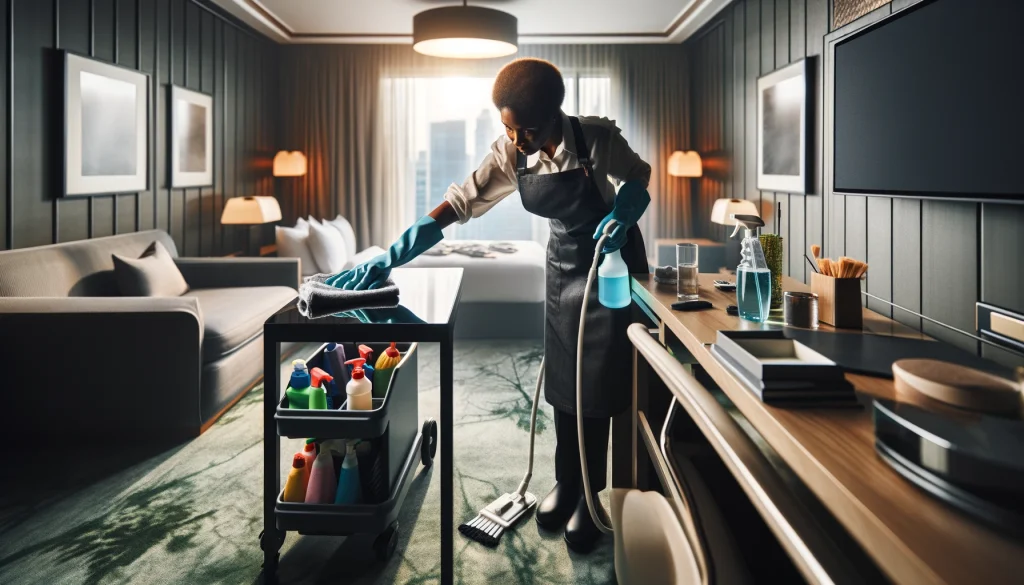
By mastering these adaptable techniques, you can ensure that every surface in your home not only looks immaculate but is also appropriately protected against everyday wear and tear. This knowledge empowers you to maintain a clean, inviting living space that promotes not just beauty but also overall well-being.
DIVE DEEPER: Click here for more insights
Adapting Techniques for Specific Surface Types
When tackling the cleanliness of your home, understanding the unique cleaning requirements of different surfaces is crucial. Each area, from floors to walls and furniture, has its own set of characteristics that dictate the best cleaning approach. Let’s explore how you can adapt your cleaning methods effectively to safeguard your surfaces while ensuring a painstakingly clean environment.
Cleaning Floors with Care
Floors are the foundation of your home and, as such, they require tailored care. The process begins with identifying the material of your flooring. Common floor types include:
- Hardwood: These floors add warmth to your space, but they require gentle care. Utilize a specialized hardwood cleaner or a mixture of vinegar and water. Avoid soaking the floor; instead, use a damp mop to protect the wood from moisture-related damage.
- Ceramic Tiles: Renowned for their durability, ceramic tiles can handle more powerful cleaning agents. A mixture of dish soap and warm water can serve as an effective solution. Make sure to clean the grout lines, which often harbor dirt and bacteria.
- Laminate: While laminate can mimic the look of wood, it requires a non-abrasive cleaner specifically designed for laminate floors to prevent scratching.
- Carpets: Regular vacuuming is essential to remove dirt and allergens trapped in the fibers. For deeper cleaning, consider shampooing the carpets or using a steam cleaner to effectively lift embedded grime.
Walls: More Than Just Vertical Surfaces
Often overlooked, walls can collect dust, fingerprints, and stains over time, necessitating a thoughtful cleaning approach. The type of paint finish and wall material influences your strategy:
- Flat Paint: If your walls are coated with flat paint, opt for soft sponges and gentle detergents to remove spots. For persistent stains, use a mild cleaning solution, ensuring not to scrub too hard to avoid damaging the surface.
- Semi-Gloss and Glossy Finishes: These paints can handle more robust cleaners. A solution of warm water and all-purpose cleaner will effectively eliminate grime, making them ideal for high-traffic areas.
- Wallpaper: Cleaning wallpaper can be tricky, as many types are sensitive to moisture. A dry cloth or a dry cleaning sponge is often the best solution to lift dirt without risking damage.
Your Furniture Deserves Attention
Every piece of furniture in your home serves a purpose, but their materials require specific cleaning methods. Understanding these requirements can help mitigate wear:
- Upholstered Furniture: For couches and chairs, regularly vacuum with a brush attachment to keep fabric fresh. For stains, follow manufacturer guidelines, as some materials require steam cleaning while others may just need a blotting approach using a damp cloth.
- Wood Furniture: To keep wood looking its best, use a soft, lint-free cloth and a wood-safe polish. This will help protect the surface and maintain its natural luster.
- Metal Furniture: A damp cloth and mild soap will typically suffice. Just be cautious with abrasive cleaners that could leave scratches or dull the finish.
By recognizing the specific needs of each surface type and adopting appropriate cleaning methods, you’ll not only keep your home looking pristine but also extend the life of your investments. Understanding these nuances is the first step toward a cleaner, healthier living space.
Cleaning Methods for Different Surfaces
When it comes to maintaining a clean and healthy environment, understanding the cleaning methods suitable for various surfaces is essential. Each surface requires specific techniques and products to ensure they are effectively cleaned without damage. Below is an exploration of some common surfaces and the methods that work best for them.
1. Floors
Floor surfaces can range from hardwood to tile, and each type has its distinct cleaning requirements. For hardwood floors, a gentle approach is recommended: using a damp microfiber mop with a pH-neutral cleaner will help maintain the finish. In contrast, tile floors can benefit from stronger cleaning solutions, including vinegar or baking soda, to lift grime from grout lines.
2. Walls
Walls often accumulate dust and stains over time, making regular cleaning necessary. A simple solution for painted walls involves using a sponge dampened with warm water and mild detergent. For stubborn stains, a mixture of baking soda and water can work wonders without damaging the paint. Remember to test any cleaning solution in a small area first!
3. Furniture
Furniture cleaning primarily depends on the material. Wood furniture can be wiped with a damp cloth and occasionally polished with a wax-based product to maintain its luster. Upholstered furniture, on the other hand, requires different techniques; a vacuum with a brush attachment can lift dirt, while spot cleaning with a suitable fabric cleaner deals with immediate spills.
Understanding the appropriate cleaning methods for various surfaces not only enhances the longevity of items in your home but also contributes to a healthier living environment.
| Surface Type | Cleaning Technique |
|---|---|
| Hardwood Floors | Use a damp microfiber mop with a pH-neutral cleaner for effective cleaning without damage. |
| Tile Floors | Stronger cleaners like vinegar or baking soda lift dirt from tile surfaces and grout. |
| Walls | Use warm water and mild detergent or a baking soda mixture for stain removal. |
| Upholstered Furniture | Vacuum regularly and spot clean using fabric-specific cleaners for spills. |
DIVE DEEPER: Click here for eco-friendly cleaning tips
Special Considerations for Unique Surface Types
Beyond the basics of cleaning floors, walls, and furniture, there are other surfaces within the home that deserve particular attention and tailored approaches. When it comes to keeping your living space spotless, understanding how to maintain these unique materials will pay dividends in both aesthetics and longevity.
Cleaning Windows and Glass Surfaces
Windows and glass surfaces can dramatically affect the ambiance of a room, letting in light and providing views of the outside world. However, fingerprints, water spots, and dust can quickly tarnish that clarity. Here are effective cleaning methods for your glass surfaces:
- Store-bought Glass Cleaners: These are designed specifically for washing glass and often include ingredients that prevent streaks. Apply the cleaner with a microfiber cloth to ensure a lint-free finish.
- Homemade Solutions: For a cost-effective alternative, mix equal parts water and white vinegar in a spray bottle. Spray on the glass and wipe with a dry microfiber cloth for crystal-clear results.
- Outdoor Windows: Consider the advantages of cleaning on a cloudy day. Direct sunlight can cause cleaning solutions to dry too quickly, leading to streaks. Additionally, using a squeegee can provide an extra level of shine.
The Nuances of Cleaning Stainless Steel
Stainless steel appliances offer a modern aesthetic but can also show smudges and fingerprints easily. To maintain their pristine appearance, follow these tips:
- Mild Soaps: Use warm water mixed with a few drops of mild dish soap. Apply with a soft cloth, following the grain of the stainless steel to prevent scratches.
- Dedicated Stainless Steel Cleaners: These products not only clean the surface but can also help restore shine. Look for cleaners that also include protective agents to minimize fingerprints.
- Natural Options: A solution of olive oil or mineral oil can act as a natural cleaner, providing both a gentle wash and a protective layer that helps reduce future smudges.
Cleansing Natural Stone Surfaces
Natural stones like granite, marble, and travertine add elegance to a home but require a special cleaning approach to avoid damage:
- PH-Balanced Cleaners: Regular soap or vinegar can damage the sealant of natural stone surfaces. Instead, use a pH-balanced cleaner specifically formulated for stone.
- Sealants Matter: Ensure that your stone surfaces are sealed appropriately to protect them from stains and moisture infiltration. Regular resealing can extend the life of these surfaces and maintain their luster.
- Immediate Clean-Up: Spills should be cleaned up promptly to avoid staining. Use a soft cloth and avoid harsh scrubbing to prevent scratching the surface.
Electronics and Screen Care
In an age where screens dominate our lives, understanding how to clean electronics without causing damage is essential:
- Microfiber Cloths: Always use a clean, dry microfiber cloth for wiping screens. Avoid paper towels, which can scratch screens.
- Screen Cleaners: Opt for specially designed cleaning solutions for electronics if necessary. Spraying directly onto the cloth instead of the screen prevents moisture from creeping into devices.
- Regular Dusting: Establish a routine for dusting electronics to keep them looking good. A gentle, dry microfiber cloth can keep screens free of dust and fingerprints.
By adopting the right cleaning methods for these unique surfaces, your living space can exude cleanliness and health while effectively enhancing the appearance of your home. Recognizing the specific needs of surfaces beyond the conventional will not only save time and effort but can also contribute to the overall durability of your chosen materials, creating a sanctuary you can be proud of.
DISCOVER MORE: Click here to learn how minimalism boosts time management
Conclusion
In summary, the task of maintaining a clean and inviting home requires a nuanced understanding of how to adapt your cleaning methods to various surfaces. By employing the right techniques for floors, walls, furniture, and other unique materials, homeowners can achieve a higher level of cleanliness and protect their investments. From utilizing pH-balanced cleaners for natural stone surfaces to applying homemade vinegar solutions for glass, the importance of selecting the appropriate cleaner cannot be overstated.
Additionally, the rise of sophisticated appliances and electronics in our homes calls for a careful approach to ensure they remain functional and aesthetically pleasing. A gentle touch on screens with microfiber cloths and the use of specialized cleaners can sustain the integrity and shine of devices we rely on daily. Recognizing that every surface has its individual needs not only enriches our cleaning efficacy but also extends the lifespan of our belongings.
Ultimately, maintaining a clean home is more than just a chore; it’s a commitment to creating a sanctuary that reflects our personal style and well-being. As you continue exploring cleaning methods, consider investing in the right tools and products to tailor your approach, making home upkeep a manageable and rewarding endeavor. With the right knowledge, your home can shine like never before, providing a refreshing atmosphere for everyone who steps through your door.