The Role of Eco-Friendly Products in Reducing Household Waste During Cleaning
Understanding Eco-Friendly Cleaning Solutions
In an age where the consequences of environmental neglect are increasingly visible, households across America are turning towards eco-friendly products as proactive solutions in their cleaning routines. These products not only promise to make our homes cleaner and healthier but also play a vital role in reducing household waste. By opting for green alternatives, consumers can make a significant impact on the environment while maintaining cleanliness in their living spaces.
The Role of Reusable Packaging
One of the hallmark features of many eco-friendly products is reusable packaging. Products such as concentrated cleaners and detergents often come in high-quality, refillable containers designed to minimize single-use plastic waste. For instance, brands like Blueland offer tablets that dissolve in water, allowing consumers to reuse their original containers instead of buying new plastic bottles each time. This small shift not only helps reduce the volume of plastics that often end up in landfills but also promotes a more sustainable cycle of use.
Benefits of Biodegradable Ingredients
Another significant advantage of eco-friendly cleaning solutions is their reliance on biodegradable ingredients. Traditional cleaners often contain harsh chemicals that can pollute waterways and disrupt ecosystems. On the contrary, the ingredients found in eco-friendly options, such as plant-based surfactants and natural oils, break down naturally and do not leave harmful residues. Brands like Seventh Generation pride themselves on using ingredients that are safe for both human health and the environment, showcasing the potential for effective cleaning without compromising safety.
Embracing Concentrated Formulas
Eco-friendly cleaning solutions frequently utilize concentrated formulas, which require less product per use compared to conventional cleaners. For example, a single bottle of concentrated all-purpose cleaner can serve as the equivalent of multiple single-use bottles of standard cleaners. This not only reduces packaging waste but also conserves resources across the supply chain. As households adopt these concentrated products, the cumulative effect can significantly lower the total waste produced over time.
Making Sustainable Choices
As consumer awareness around sustainability continues to rise, the shift towards eco-friendly cleaning products becomes increasingly vital. By placing greater emphasis on the impact on waste reduction, individuals can contribute to a more sustainable future while enjoying a clean home. The simple act of switching to eco-friendly choices demonstrates a commitment to environmental responsibility and can inspire others in their community to consider similar actions.
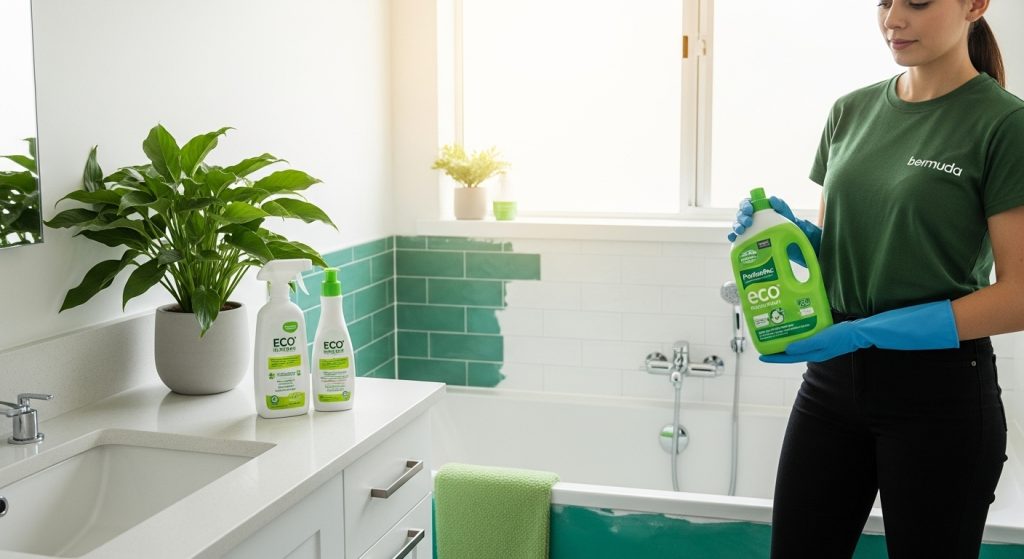
In summary, eco-friendly cleaning products exemplify a thoughtful approach towards creating cleaner spaces that are also kinder to our planet. By embracing reusable packaging, biodegradable ingredients, and concentrated formulas, consumers can play an essential role in fostering sustainable living, paving the way for a healthier environment for future generations. As we delve deeper into the world of eco-friendly cleaning, the importance of our choices becomes ever more profound.
DISCOVER MORE: Click here to learn how eco-friendly products can enhance your well-being
Innovative Approaches to Sustainable Cleaning
As the environmental crisis escalates, consumers are increasingly aware of the role that our daily habits play in shaping the planet’s health. In this context, eco-friendly cleaning products have emerged as innovative tools not only for maintaining home hygiene but also for reducing household waste. These products strive to balance effective cleaning with sustainability, enabling consumers to take a stand against waste accumulation.
The Impact of Traditional Cleaning Products
To understand the significance of eco-friendly alternatives, it’s essential to consider the staggering impact of traditional cleaning products. The U.S. Environmental Protection Agency (EPA) has reported that conventional cleaners often contain toxins that not only contribute to pollution but also lead to increased waste in the form of non-recyclable packaging. With millions of households using these products daily, the cumulative effect is a staggering amount of waste filling our landfills and oceans.
Exploring Refill Stations
An exciting development in the eco-friendly cleaning movement is the rise of refill stations. Many grocery and health stores across the United States are now offering refillable options for cleaning supplies, allowing consumers to bring in their containers to be topped off. This model significantly cuts down on single-use plastic waste. Popular brands such as Grove Collaborative are at the forefront of this trend, providing a convenient alternative for households seeking sustainable options. The refillable model not only conserves resources but also helps consumers save money in the long run, as refill costs are usually lower than purchasing new, packaged products.
Smart Home Cleaning Devices
Another trend emerging within the eco-friendly cleaning domain is the development of smart home cleaning devices, which work in conjunction with environmentally friendly cleaning solutions. For instance, companies like Ecovacs are creating robot cleaners that utilize reusable cloths and are designed for easy maintenance. Such devices not only streamline household cleaning but also reduce the reliance on disposable cleaning products and materials.
Eco-Friendly Cleaning Hacks
Those looking to further diminish waste while cleaning might consider incorporating eco-friendly cleaning hacks into their routines. A few popular hacks include:
- Baking Soda and Vinegar: A powerful combination for removing stains and odors.
- Citrus Peels: Can be used to infuse vinegar for a natural disinfectant.
- Old T-Shirts: Reusing them as cleaning rags instead of disposable wipes.
These alternatives not only lower the amount of product packaging waste but also utilize everyday items that may otherwise be discarded.
As we delve deeper into the importance of eco-friendly cleaning products, it becomes clear that the responsibility for reducing household waste resides not only with manufacturers but also with consumers. By adopting innovative practices, supportive technologies, and DIY methods, we can contribute to a greener future and foster a culture of sustainability in our homes.
| Category | Details |
|---|---|
| Biodegradable Cleaners | These products decompose naturally, thereby significantly reducing landfill waste. |
| Reusable Cleaning Tools | Using items like microfiber cloths cuts down on disposable paper towels, promoting sustainability. |
| Eco-Refills | Refill options for cleaning products reduce packaging waste and promote a circular economy. |
| Chemical-Free Products | These products reduce the amount of toxic waste contributing to environmental pollution. |
The move towards eco-friendly products in household cleaning is more than just a trend; it is a necessary step toward sustainability. Understanding the various types of eco-friendly products can lead consumers to make informed decisions. For instance, biodegradable cleaners not only clean effectively but break down naturally, minimizing waste in landfills. Similarly, reusable cleaning tools such as microfiber cloths offer an excellent alternative to single-use paper towels, drastically cutting down the amount of waste generated during cleaning.Alongside these, eco-refills allow for reducing packaging waste, promoting a circular economy where products are used, returned, and reused instead of discarded. Moreover, utilizing chemical-free products greatly reduces toxic waste that contributes to environmental hazards, ensuring a healthier living space and planet. Each of these options showcases a practical approach to maintaining cleanliness while being environmentally responsible.
DISCOVER MORE: Click here for effective strategies
Adoption of Multi-Use Cleaning Products
The shift towards eco-friendly cleaning is further amplified by the introduction of multi-use cleaning products. Unlike traditional cleaners that focus on a single function—such as glass cleaner or bathroom disinfectant—many eco-friendly alternatives are designed to be versatile. For example, products like all-purpose cleaners are formulated with natural ingredients such as plant extracts and essential oils that effectively clean a myriad of surfaces from kitchens to bathrooms. This multifunctionality not only minimizes the number of individual products a household needs but also reduces packaging waste significantly.
The Role of Certifications and Standards
As consumers become more discerning about their choices, understanding cleaning product certifications has never been more crucial. Certifications such as Green Seal and EPA’s Safer Choice emblem signify that a product meets stringent environmental standards. These labels help consumers identify products that are both effective and sustainable, fostering confidence in their purchasing decisions. Research indicates that households utilizing certified eco-friendly products can see a marked decrease in harmful chemicals entering their homes, reducing the need for separate disposal methods for hazardous waste.
Community and Education Initiatives
Community involvement plays a pivotal role in promoting eco-friendly cleaning and reducing household waste. Local organizations and environmental advocacy groups have begun to champion cleaning workshops aimed at educating consumers about safe, non-toxic cleaning methods, and waste reduction practices. Events like these not only provide practical cleaning solutions but also promote broader awareness of the environmental impact of conventional cleaning products. For instance, cities are increasingly hosting “green fairs” where attendees can learn about eco-friendly alternatives and even try DIY cleaning recipes, thus empowering them to make informed choices at home.
The Economic Impact of Eco-Friendly Practices
The adoption of eco-friendly cleaning products also has undeniable economic implications. According to the Green Business Bureau, the cleaning sector is witnessing a shift towards sustainability that benefits both producers and consumers. With less reliance on harsh chemicals and single-use containers, businesses can streamline manufacturing processes and reduce costs associated with waste disposal. Moreover, consumers save money by utilizing concentrated solutions that require less product per use compared to diluted traditional cleaners. As the market for sustainable cleaning products grows, consumers increasingly demonstrate their preference for companies committed to environmental responsibility, which incentivizes more manufacturers to adopt eco-friendly practices.
Challenges in the Transition to Eco-Friendly Cleaning
Despite these advancements, the transition to eco-friendly cleaning is not without its challenges. One of the primary concerns is the perception that eco-friendly products are less effective than their traditional counterparts. While many brands aim to debunk this myth with rigorous testing and customer reviews, the challenge remains to educate consumers and change long-held beliefs about cleaning effectiveness. Additionally, the initial cost of eco-friendly products can sometimes deter consumers from making the switch, especially in lower-income households where budget constraints are prevalent. Therefore, creating accessible options that do not compromise on quality will be crucial in overcoming these hurdles.
It is evident that the transition toward eco-friendly cleaning products is multifaceted, involving innovation, awareness, and consumer collaboration. As households across the United States increasingly look for ways to reduce waste, the adoption of these sustainable practices will likely play a central role in fostering a cleaner, healthier environment.
DISCOVER MORE: Click here to learn about eco-friendly cleaning solutions
Conclusion: Embracing Eco-Friendly Cleaning Solutions
In summary, the shift towards eco-friendly products represents a critical step in reducing household waste and promoting sustainable cleaning practices. The incorporation of multi-use cleaning products simplifies our cleaning routines by limiting the number of individual products needed, which subsequently reduces plastic waste associated with packaging. Alongside this, understanding certifications and standards helps consumers make informed decisions, ensuring they choose products that not only clean effectively but also safeguard their health and the environment.
Community and educational initiatives further amplify this movement, fostering a culture of sustainability and equipping families with knowledge on how to implement green practices at home. These workshops and events demystify eco-friendly cleaning, showcasing that it can be both effective and accessible. As the market for sustainable products continues to grow, the focus on less harmful chemicals translates into economic benefits for both consumers and producers, proving that environmentally responsible choices can be financially viable.
Despite existing challenges, such as misconceptions about product efficacy and affordability, the path forward lies in continued education and innovation. By prioritizing eco-friendly cleaning methods, households not only contribute to a healthier environment but also inspire others to join the movement toward sustainable living. As we embrace these practices, we take tangible steps towards reducing our ecological footprint and preserving our planet for future generations. The collective effort in choosing eco-friendly products ultimately leads to a cleaner home and a brighter future.