Preventive Maintenance Strategies to Extend the Lifespan of Your Home’s Systems

The Significance of Regular Home Upkeep
Owning a home represents a significant investment, one that can provide not just shelter, but a sense of accomplishment and stability. However, this accomplishment comes with responsibilities that homeowners must acknowledge to maintain their property’s value and safety. One of the most critical yet often overlooked responsibilities is preventive maintenance. This proactive approach is essential for ensuring that every component of your home functions optimally and lasts as long as possible, ultimately enhancing both your comfort and financial investment.
Implementing effective preventive maintenance strategies is a simple way to avoid costly repairs later. For instance, consider the various systems within your home that warrant regular attention:
- HVAC Systems: Neglecting regular filter changes can lead to decreased efficiency and increased energy bills. An annual professional inspection can catch issues before they escalate, ensuring that your heating and air conditioning work reliably, especially during extreme temperatures.
- Plumbing: Regularly checking your plumbing for leaks or signs of wear can prevent water damage, mold growth, and costly water bills. Simple actions, such as inspecting under sinks and checking fixtures, can reveal issues before they burst into emergencies.
- Electrical Systems: Scheduling routine evaluations of your electrical system can significantly reduce the risk of fires and electrical hazards. Checking outlets, cords, and breakers allows for the identification of potential dangers before they result in disasters.
- Roofing: Periodic roofing inspections can help you identify minor issues, like loose shingles or moss growth, which can lead to major leaks if left unaddressed. In regions prone to severe weather, such as heavy rain or snow, proactive maintenance is even more crucial.
Statistics reveal that homes undergoing regular preventive maintenance not only suffer fewer emergencies but also operate with greater efficiency. According to a study by the National Association of Home Builders, homeowners who actively maintain their properties tend to see a return on investment that can reach up to 15% in home value. This means that taking the time to keep your systems in check not only preserves your home’s safety but enhances its marketability.
Embracing the opportunity to extend the lifespan of your home’s systems can significantly impact your living experience. From elevating comfort levels to increasing property value, the advantages of preventive maintenance are substantial. In the sections that follow, we will explore various preventive maintenance strategies that you can easily adopt, providing practical tips to keep your home in peak condition. Stay tuned to discover how you can protect one of your most valuable assets—your home.
DISCOVER MORE: Click here for tips on creating an effective maintenance routine
Key Preventive Maintenance Strategies for Home Systems
To truly maximize the lifespan of your home’s systems, consistency in preventive maintenance is vital. By implementing a standardized routine, you can significantly reduce wear and tear, while also identifying and addressing minor issues before they evolve into major problems. Below, we delve into specific strategies tailored for essential home systems that will ensure their longevity and peak performance.
HVAC System Maintenance
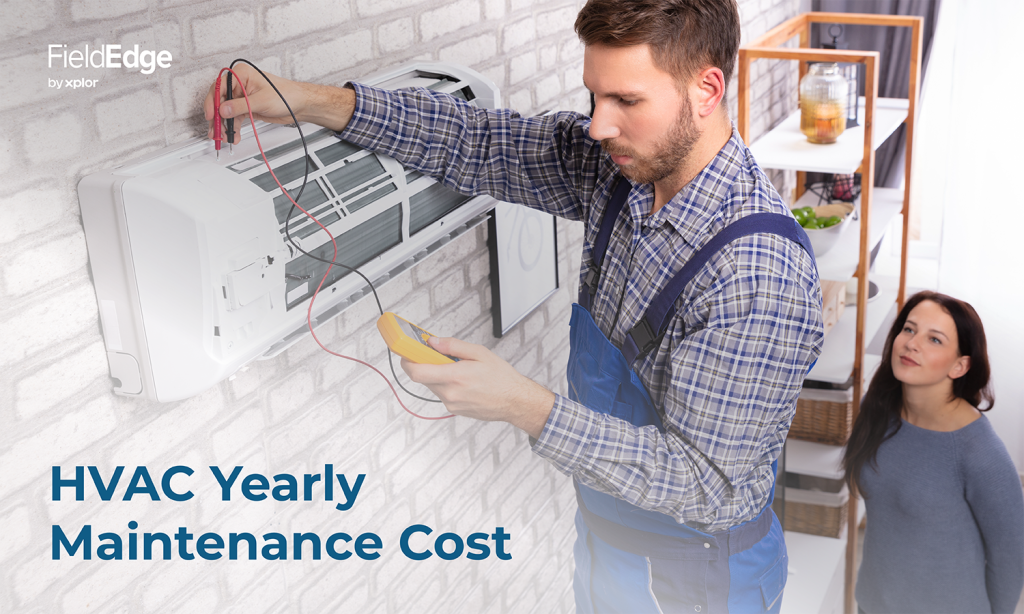
Your heating, ventilation, and air conditioning (HVAC) system plays a pivotal role in maintaining indoor comfort. Yet, it often goes unnoticed until a breakdown occurs. Regular maintenance can be simple and effective. Here are some steps to consider:
- Change Air Filters: It’s advisable to change your HVAC filters every 1-3 months. This alone can improve efficiency and indoor air quality, reducing allergens and dust.
- Professional Inspections: An annual inspection by a qualified HVAC technician can catch potential issues, such as refrigerant leaks or faulty wiring, before they become emergencies.
- Clean Ducts and Vents: Over time, dust and debris accumulate in your ductwork. Schedule regular cleanings to ensure optimal airflow.
Effective Plumbing Checks
Plumbing issues can lead to extensive water damage, making early detection paramount. Regularly inspecting your plumbing system not only saves you from damages but also keeps your water bill in check. Here are some actionable strategies:
- Seasonal Inspections: Check faucets, toilets, and pipes during seasonal transitions. This practice can help catch leaks that may develop due to temperature changes.
- Water Pressure Testing: Monitoring water pressure can reveal underlying issues. A pressure gauge can be an affordable investment for proactive homeowners.
- Drain Cleaning: Use enzyme-based drain cleaners periodically to remove buildup and prevent clogs, especially in kitchen sink pipes.
Electrical System Oversight
Your home’s electrical system warrants careful scrutiny to thwart potential hazards. Implementing a few straightforward preventive measures can enhance safety significantly:
- Regular Inspections: Hire a licensed electrician to evaluate the condition of your electrical panel and wiring every few years.
- Test GFCI Outlets: Ground Fault Circuit Interrupter (GFCI) outlets, commonly found in kitchens and bathrooms, should be tested monthly to ensure they function correctly.
- Upgrade Older Systems: If your home is older, consider upgrading your electrical system to accommodate modern appliances more safely and effectively.
Proactive Roof Maintenance
A sturdy roof is essential for protecting your home from external elements. Taking the time to maintain your roof can prevent more significant issues such as leaks or structural damage. Here are some recommended practices:
- Routine Inspections: Perform biannual inspections of your roof, particularly after severe weather events, to identify loose shingles or debris.
- Clean Gutters: Clogged gutters can lead to water backup and extensive roof damage. Remove debris regularly and ensure water drains properly.
- Check Flashing and Seals: Inspect the flashing around chimneys and vents for wear. Reseal any gaps to prevent moisture entry.
Adopting these preventive maintenance strategies not only preserves the functionality of your home’s systems but also enhances your peace of mind. Through proactive measures, you can safeguard against unexpected deterioration, allowing you to enjoy your home to its fullest potential.
Preventive Maintenance: Key Strategies for Home Systems
Implementing preventive maintenance strategies is essential for homeowners looking to safeguard their investments. Regularly scheduled assessments and timely repairs not only enhance the efficiency of home systems but significantly extend their lifespan. Below, we explore effective strategies and present a table outlining the advantages of applying these techniques.
| Preventive Maintenance Strategy | Advantages |
|---|---|
| Regular HVAC Inspections | Improves air quality and efficiency, reduces energy bills. |
| Water Heater Maintenance | Prevents leaks and extends unit lifespan, saving on replacement costs. |
| Roof Inspections | Detects early signs of damage, preventing costly repairs from leaks. |
| Plumbing Maintenance | Identifies issues before they escalate, ensuring smooth water flow. |
By establishing a routine based on these preventive measures, homeowners can achieve peace of mind knowing they are actively protecting their home’s systems. Engaging professional services for these tasks often yields the best results, enhancing efficiency and identifying problems that may go unnoticed by the untrained eye.
Investing in preventive maintenance not only fosters a healthier living environment but also significantly boosts the longevity of crucial systems within your home. For more insights on specific maintenance tips and how they can benefit your property, continue exploring our content.
DISCOVER MORE: Click here to learn about the impact of technology on time management
Enhancing Longevity Through Preventive Maintenance
Continuing with our quest to fortify your home’s essential systems, another pivotal area of focus lies in maintaining the integrity of your appliances, exterior surfaces, and safety systems. A proactive approach in these areas not only extends their lifespan but also fosters a harmonious living environment. Let’s delve deeper into these often-overlooked aspects of home maintenance.
Appliance Care and Maintenance
Your household appliances, including refrigerators, washing machines, and dishwashers, can demand substantial financial investment. Preserving their efficiency can yield significant savings over time. Consider implementing the following strategies:
- Clean Coils and Vents: For refrigerators, dusting off the coils and vents every 6 months can enhance energy efficiency. A clean unit works less hard, resulting in lower energy bills and extended appliance life.
- Check Hoses and Seals: Investigate hoses for signs of wear or leaks. Washing machine hoses should be replaced every 3-5 years, while seals on dishwashers and refrigerators should be checked periodically for gaps.
- Run Empty Loads: Running your dishwasher or washing machine with an empty load once in a while, utilizing a vinegar rinse, can help eliminate mineral buildup and keep appliances running smoothly.
Exterior Surfaces and Maintenance
The exterior of your home often withstands the brunt of weather elements, making maintenance essential for preserving value and aesthetics. Adopting an attentive approach to your home’s siding, windows, and doors can mitigate long-term repair costs:
- Maintain Siding: Depending on materials, your siding might require specific treatments. For instance, wood siding needs regular painting while vinyl siding should be cleaned yearly to avoid mildew growth.
- Inspect Windows and Doors: Make it a habit to check for any gaps where air could escape. Resealing windows and doors not only improves energy efficiency but also protects against moisture intrusion.
- Power Wash Surfaces: Every couple of years, consider a professional power wash for your home’s exterior. This can help remove grime, algae, and mold, which can deteriorate surfaces over time.
Safety System Checkups
The safety of your home should never be compromised, and preventive maintenance of safety systems is critical to ensuring the well-being of your family. Here are essential measures:
- Smoke and Carbon Monoxide Detectors: These lifesaving devices should be tested monthly and batteries replaced twice a year. Additionally, you should replace the entire unit every ten years to ensure reliable function.
- Home Security Systems: For those with security systems, periodic inspections can confirm that cameras, alarms, and sensors are operational. Regularly update passwords and ensure that your system is connected to monitoring services.
- Fire Extinguishers: Check fire extinguishers monthly to ensure they are charged and accessible. An annual professional inspection is also recommended to ensure they meet local codes and regulations.
By embracing these preventive maintenance strategies, you empower yourself to not only preserve the functionality and safety of your home but also cultivate a sense of pride and stability within your living space. Taking these steps not only secures your valuable investments but also contributes to a sustainable lifestyle and enhanced community safety.
DISCOVER MORE: Click here for handy home maintenance tips
Conclusion: Embracing Preventive Maintenance for a Sustainable Home
The strategies discussed throughout this article underscore the critical role of preventive maintenance in safeguarding not only the operational efficiency of your home’s systems but also their longevity. From the diligent care of appliances to routine inspections of exterior surfaces and vigilant checks of safety systems, each proactive step significantly reduces future repair costs and enhances the overall comfort of your living environment.
Investing time and resources in preventive maintenance is tantamount to planting seeds for a sustainable future. Simple practices, such as cleaning appliance filters, sealing gaps in windows, or testing smoke detectors, might seem trivial individually, but collectively they empower homeowners to uphold a cohesive ecosystem that thrives on efficiency and safety. Not only do these measures extend the lifespan of critical systems, but they also contribute to a healthier home environment, reduce energy consumption, and ultimately lead to increased property value over time.
As you reflect on the importance of maintaining your home, remember that being proactive rather than reactive can save you not only from hefty repair bills but also from the stress associated with unforeseen breakdowns. Whether it’s establishing a regular maintenance schedule or simply dedicating an hour each month to inspection and cleaning tasks, these efforts will pay dividends in the long run. By prioritizing preventive maintenance today, you’re ensuring a secure and vibrant home for years to come, creating lasting memories and stability for your family.