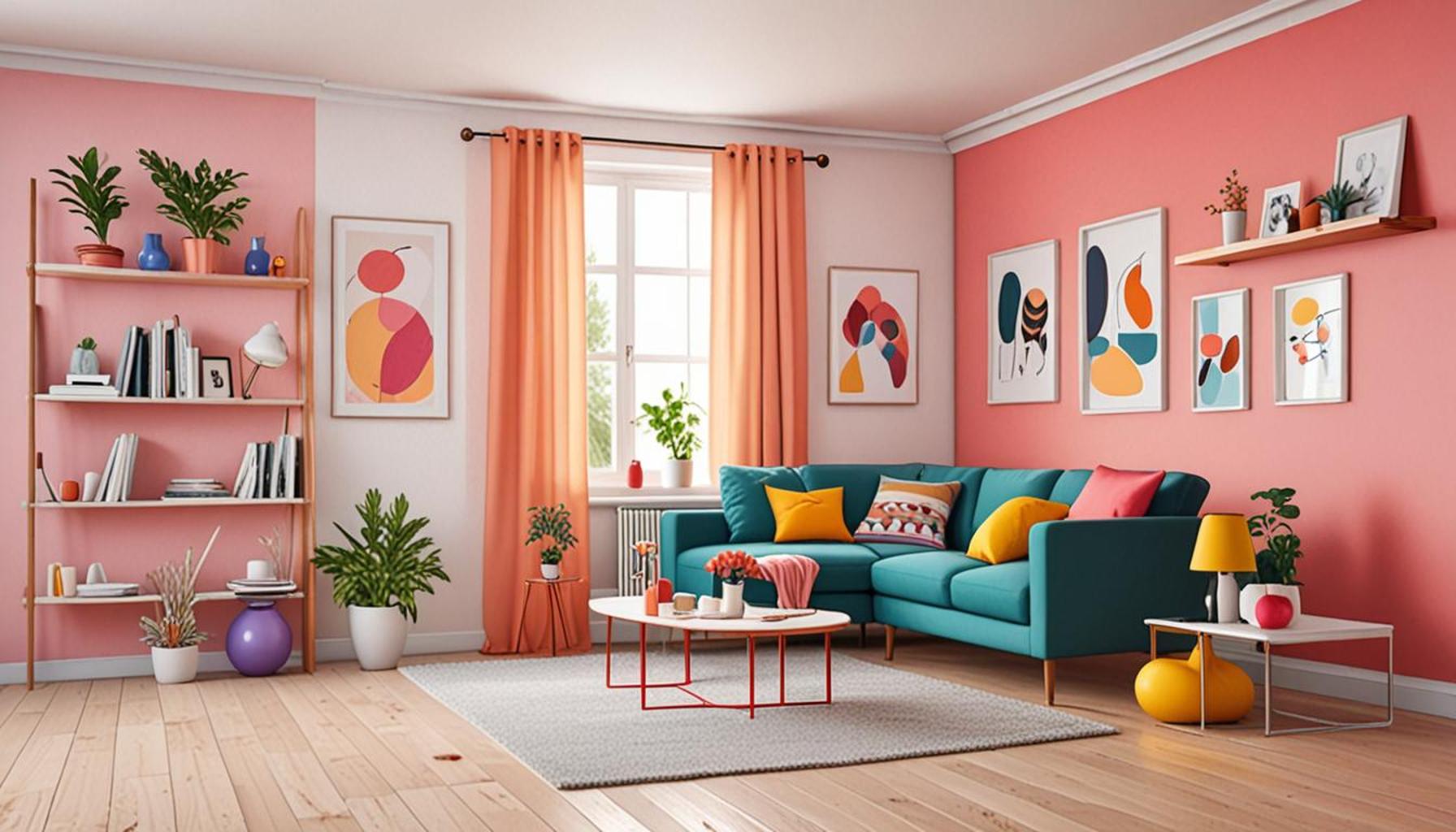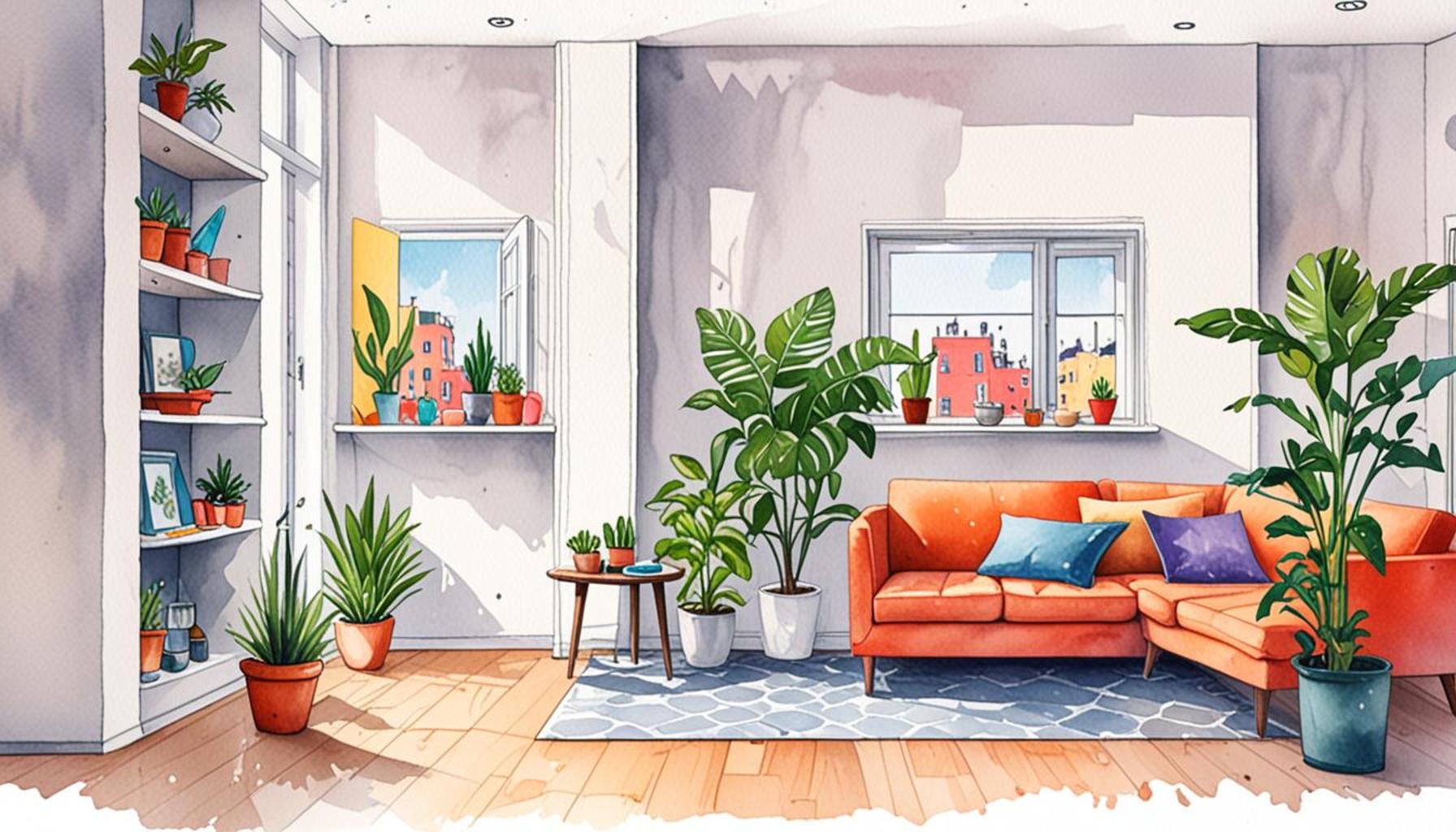
Simplified Spaces and Stress Reduction: Creating Environments that Calm the Mind
Embracing Calm in Our Surroundings
In today’s fast-paced world, the environments we inhabit – whether at home, at work, or in public spaces – can often contribute to feelings of anxiety and stress. The need for simplified spaces has never been more essential. Crafting environments that promote tranquility is vital; doing so can significantly enhance our mental well-being and overall quality of life.
The Power of Design
Effective design wields substantial influence over our mood, productivity, and general sense of well-being. Consider the following elements that can help foster a calming atmosphere:
- Natural Light: Incorporating large windows and bright spaces not only enhances visibility but also boosts serotonin levels, which are associated with happiness and alertness. Spaces flooded with natural light, whether through skylights or expansive glass doors, create an inviting and uplifting environment.
- Decluttered Surfaces: A clean, orderly environment leads to a clear mind. Clutter can act as a stressor, overwhelming the senses. By maintaining decluttered surfaces, whether it be your office desk or your living room, you cultivate a more serene space that encourages relaxation and focus.
- Earthy Tones: The choice of colors can profoundly influence our emotional state. Shades of green, beige, and blue not only evoke a sense of calm but can also be reminiscent of nature, which has been shown in studies to lower stress levels. For instance, incorporating plants can further enhance these tones, creating a harmonious and balanced environment.
By implementing these design features, you can transform a chaotic environment into a peaceful refuge. The impact on stress reduction is profound; research indicates that a well-designed space can reduce cortisol levels – a hormone associated with stress – promoting a greater sense of ease and comfort in our daily lives.
Explore the Benefits
Creating a simplified space does not just improve aesthetics; it enhances the quality of your life on multiple levels. Here are some benefits of cultivating a calm environment:
- Improved Focus: By minimizing visual distractions, you can significantly boost your focus. A purposeful arrangement of furniture and decor can create dedicated spaces for work and relaxation, allowing for seamless transitions between productivity and downtime.
- Enhanced Creativity: A tranquil mind fosters innovative ideas and open thinking. By surrounding yourself with stimulating yet calming elements, you enable your creativity to flow, making it easier to generate new ideas and solutions.
- Promoted Well-being: Nurturing your surroundings supports mental health. A calming environment encourages mindfulness and self-awareness, allowing individuals to recharge emotionally and mentally, which is essential in our busy lives.
As we delve into this topic, explore how you can design your own oasis of peace. Consider integrating these elements into your living or working spaces and discover firsthand the positive impact on your mental clarity and emotional stability. By making deliberate choices in your environment, you can cultivate a space that not only looks appealing but also nurtures your spirit and well-being.
DISCOVER MORE: Click here for insights on mental health and well-being
Redefining Our Spaces for Better Mental Health
The concept of simplified spaces has gained traction among wellness experts who believe that our environments play a crucial role in shaping our mental state. In recent years, research has illuminated the relationship between physical surroundings and psychological well-being, indicating that intentionally designed spaces can lead to significant reductions in stress and anxiety. This raises a pivotal question: how do we cultivate these spaces that not only invigorate but also soothe our minds?
The Role of Nature
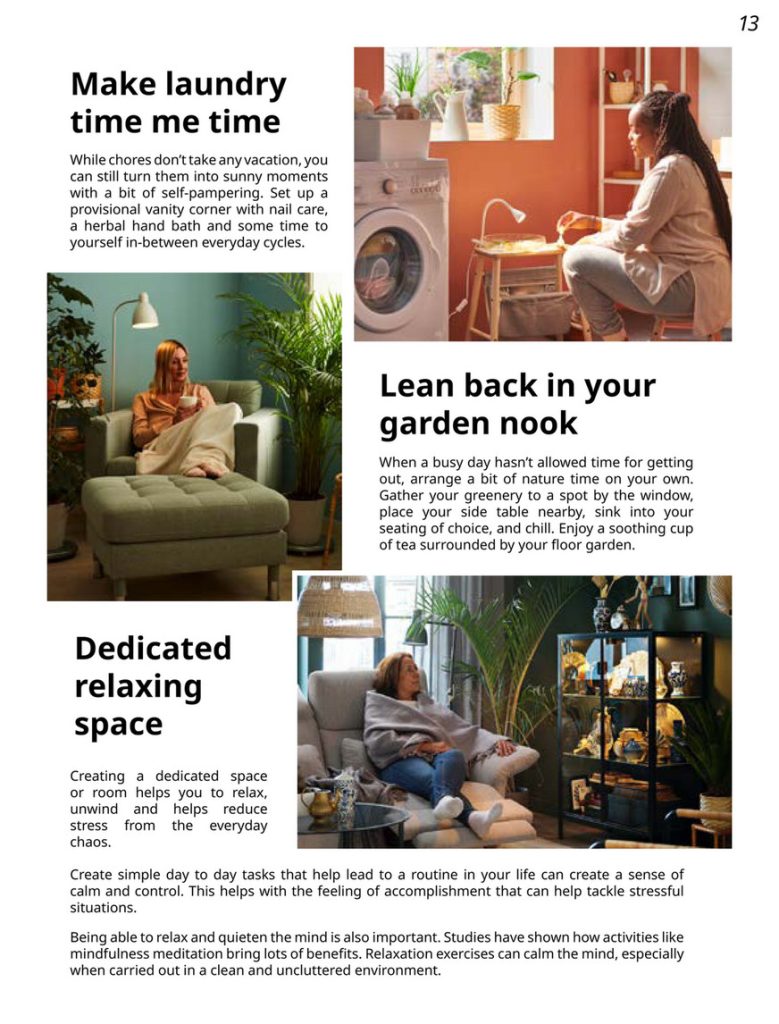
An increasingly popular trend in stress-reduction strategies is biophilic design, which incorporates elements of nature into our interiors. This practice recognizes our innate connection to the natural world and seeks to bridge that gap within our living and working environments. One effective way to bring the outdoors in is through the use of indoor plants. Greenery has been shown to enhance air quality and promote relaxation. Studies suggest that even just viewing plants can lead to heightened feelings of calm and contentment. Here are some simple ways to incorporate nature in your environment:
- Choose Low-Maintenance Houseplants: Options like succulents, peace lilies, and snake plants are easy to care for and add a touch of serenity to any room.
- Utilize Natural Materials: Consider furniture and decor made from wood, stone, or bamboo to echo the tranquility of nature.
- Incorporate Natural Scents: Diffusing essential oils from plants or using scented candles with earthy fragrances can evoke a calming atmosphere. Scents like lavender and sandalwood have been specifically identified for their stress-relief properties.
By melding natural elements into our daily environments, we not only enhance aesthetic appeal but also harness the stress-reducing qualities inherent in nature itself. In fact, research has shown that spending time in spaces adorned with natural elements can lower blood pressure and decrease levels of the stress hormone cortisol.
Mindful Arrangements
Another vital aspect of creating simplified spaces involves the mindful arrangement of furniture and decorative elements. The principle of feng shui, rooted in ancient Chinese philosophy, emphasizes arranging materials to achieve harmony and balance. While not everyone subscribes to feng shui beliefs, the underlying idea—that spatial arrangement can impact our emotions—is widely acknowledged and supported by contemporary design philosophies.
Consider these tips for structuring mindful arrangements that promote mental clarity:
- Designate Specific Areas: Create distinct spaces for work, relaxation, and socializing to streamline functionality and minimize distractions.
- Invest in Quality Over Quantity: Select fewer, high-quality pieces that bring you joy rather than filling your space with excessive items that can lead to overwhelm.
- Use Soft Lighting: Incorporate adjustable lighting fixtures to create dimmable spaces. Soft, warm lighting can enhance comfort and encourage relaxation, especially in the evening.
The intention behind mindful arrangements is not merely aesthetic; it is about creating spaces that resonate with peace and balance. Each design choice should reflect an understanding of how it affects your emotional landscape, ultimately transforming your environment into a personal sanctuary of calm. Embracing simplified spaces fosters a pivotal shift towards achieving a balanced life, making it imperative that we take steps to reflect this in our daily environments.
Simplified Spaces: The Essence of Serenity
Creating environments that promote stress reduction is pivotal in today’s fast-paced world. Simplified spaces focus on minimalism and functionality, enhancing the emotional and psychological well-being of individuals. By reducing physical clutter, these spaces inherently reduce mental clutter, allowing for clearer thought processes. Utilizing natural materials, soft color palettes, and adequate lighting can significantly elevate one’s mood, turning a mere room into a sanctuary of calmness.
The Role of Nature in Stress Reduction
Incorporating elements from nature into indoor environments has been shown to elevate mood and decrease stress. Access to natural light, indoor plants, and water features contribute to a soothing ambiance. The biological connection known as biophilia illustrates how proximity to nature fosters emotional healing and stress relief. Research supports that environments enriched with natural elements not only alleviate anxiety but also improve overall cognitive function.
Mindfulness in Design
Integrating mindfulness into interior design principles encourages conscious living. This involves creating spaces that promote relaxation and introspection, such as meditation corners or quiet nooks adorned with soft furnishings. The conscious selection of décor and layout fosters a holistic environment—one that embraces serenity and encourages individuals to pause and reflect.
The Psychology of Color in Stress Relief
Color psychology plays a crucial role in the pursuit of tranquility. Soft hues such as blues, greens, and pastels are known to evoke feelings of calm and relaxation. The strategic application of color can drastically transform a space, making it both inviting and soothing, thereby reducing stress levels effectively. It’s a powerful aspect of creating an environment that supports mental well-being.
Utilizing Technology for Stress-Reducing Spaces
Technology also plays a significant role in stress reduction. Smart home systems can help manage lighting and sound, creating adjustable atmospheres that cater to personal preferences. Incorporating noise-cancellation systems, calming playlists, or even aromatherapy diffusers can enhance the peacefulness of a space, promoting an immersive experience of serenity.
Explore Further
The journey towards creating simplified spaces for stress reduction is multifaceted. With numerous resources available, individuals are encouraged to explore the latest design trends and psychological findings. This exploration deepens understanding and allows for personal adjustments that optimize environments for calmness and mental clarity.
| Advantages | Key Features |
|---|---|
| Enhanced Focus | Clutter-free environments promote greater concentration and productivity. |
| Emotional Stability | Natural elements and mindful design contribute to improved emotional health. |
DISCOVER MORE: Click here for practical tips
Color and Texture: The Psychology of Spatial Elements
As we delve deeper into the elements that contribute to simplified spaces, color and texture emerge as vital components influencing both mood and perception. Research in color psychology has demonstrated how different hues can evoke distinct emotional responses. While calm blues and greens tend to inspire tranquility and focus, warm earth tones can provide a sense of grounding and comfort. This insight can guide us in selecting color palettes that promote relaxation within our environments.
The Power of Color
When choosing colors for our spaces, consider incorporating shades that have been shown to reduce stress. For example, soft hues of blue and green can create a serene backdrop, mirroring the tranquility of nature and inviting relaxation. On the other hand, vibrant accents in orange or yellow can inspire creativity and cheerfulness, adding a thoughtful layer to your environment.
Research conducted at the University of Essex suggests that being surrounded by calming colors can significantly improve mood and cognitive function. For those seeking a transformative experience, painting walls with lighter shades or adding colored decor elements can positively impact mental health.
Textural Variety for Comfort
Texture has an equally powerful role in shaping our emotional response to our surroundings. A well-balanced mix of soft textiles, natural materials, and tactile surfaces can engage the senses and create a comforting environment. For example, plush cushions, cozy throws, and soft rugs can stimulate feelings of warmth and security, while sleek wooden surfaces can add an element of calm sophistication.
Consider these practical tips to enhance the textural experience in your simplified space:
- Layer Textiles: Use a combination of textiles, such as velvet cushions, linen curtains, and knitted throws to create an inviting atmosphere.
- Incorporate Varied Materials: Balance smooth surfaces like glass or metal with natural woods or stone to create a dynamic yet harmonious environment.
- Focus on Comfort: Select furniture with ergonomic designs that provide both support and comfort, ensuring that spaces invite relaxation and calm.
Across various cultures, traditional practices often place emphasis on the importance of texture in creating a soothing environment. By intentionally incorporating diverse textures, we open the door to multi-sensory experiences that can greatly enhance our emotional well-being.
Simplifying Technology Use
Another critical facet of designing stress-reducing environments involves re-evaluating technology’s role in our lives. As much as we depend on digital devices for convenience, screens, notifications, and constant connectivity can contribute to heightened levels of stress and anxiety. To cultivate a more serene space, it becomes essential to purposefully limit technology’s intrusion into our daily lives.
Here are practical strategies to simplify technology within your space:
- Create Tech-Free Zones: Designate areas where technology use is minimized, such as bedrooms or dining spaces, to encourage mindfulness and connection to the present moment.
- Implement a Schedule: Set specific times for checking emails and social media, allowing for uninterrupted blocks of time to engage in more relaxing and fulfilling activities.
- Utilize Minimalist Tech: Opt for fewer multifunctional devices that prioritize essential functions rather than acquiring gadgets that clutter and complicate.
By intentionally integrating these practices into our environments, we take proactive steps toward creating simplified spaces that empower us to focus on well-being and mindfulness, ultimately assuring that our surroundings nourish both our mental and physical health. With thoughtful design choices reflecting our intentions, we can cultivate spaces that support a balanced and serene state of mind.
DISCOVER MORE: Click here to dive deeper
Conclusion: Embracing Simplified Spaces for a Stress-Free Life
In our increasingly fast-paced world, the need for simplified spaces that promote stress reduction is more crucial than ever. As we have explored, the psychological impact of color and texture in our environments cannot be underestimated. By selecting calming palettes and incorporating diverse materials, we can create sanctuaries that not only uplift our mood but also contribute to our overall mental well-being. Emulating nature through soft tones such as blues and greens, paired with comforting textures, provides a pathway to serenity in our daily lives.
Moreover, re-evaluating our relationship with technology is essential in fostering environments that truly nurture our mental health. By creating tech-free zones and setting boundaries for device usage, we enable ourselves to engage more mindfully with our surroundings. These conscious choices support a lifestyle steeped in tranquility, encouraging us to unwind fully.
Ultimately, the journey toward cultivating calming environments extends beyond aesthetics; it embodies a holistic approach that embraces mindfulness and intentional living. As we continue to explore the intersections of design and well-being, we invite you to consider the spaces you inhabit both at home and at work. Could a simpler, more purposeful approach to your environment lead to improved resilience against stress and anxiety? Taking small, actionable steps toward optimizing your surroundings can lead to profound changes in your life.
By prioritizing simplified spaces, we empower ourselves to connect deeply with our minds and bodies, forging a path toward a healthier, more balanced existence. In essence, creating environments that calm the mind is not merely an architectural endeavor; it is a profound life choice that reflects our intrinsic desire for peace and clarity.