
The Art of Simplifying: Creating Functional Spaces with Minimalism
The Allure of Simplified Living
In today’s fast-paced world, simplifying our living spaces is becoming more crucial than ever. The minimalist approach advocates for functionality and aesthetic beauty, allowing us to create environments that foster peace amidst the chaos of our busy lives. This isn’t merely a trend but a thoughtful shift in how we engage with our surroundings, inviting us to prioritize what truly matters.
What Does Minimalism Entail?
Minimalism goes beyond just having fewer things; it encourages a lifestyle choice that emphasizes intentionality. Here are some key features that define this approach:
- Decluttering: This vital step involves removing excess items from your living space. Imagine walking into your home and feeling an immediate sense of calm because there are no excessive distractions. Start by tackling one room at a time or even one category, like clothing, and let go of items that no longer serve you.
- Functional Furniture: Opt for pieces that not only look good but also serve multiple purposes. For instance, a sofa bed is a great choice for small spaces, providing both seating and a sleeping area for guests without taking up additional room.
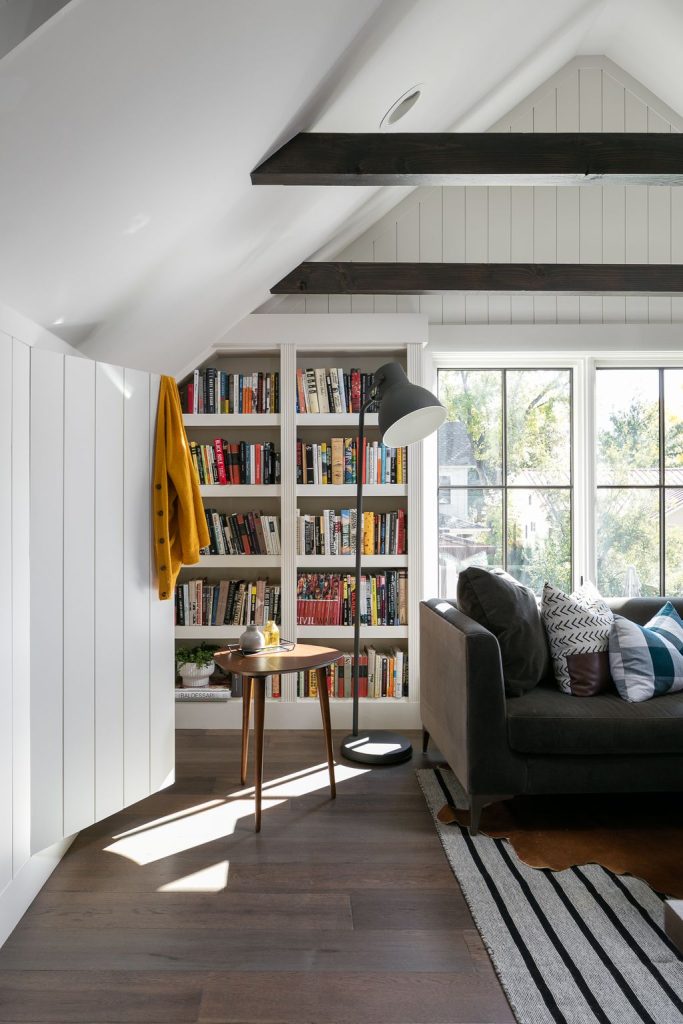
- Natural Elements: Integrating plants and maximizing natural light plays a pivotal role in minimalist living. Houseplants like succulents not only purify the air but also bring a lively touch to a minimalist aesthetic. Additionally, large windows can create a bright and inviting atmosphere, helping to lessen the need for artificial lighting.
The Benefits of Minimalism
By adopting minimalist principles, we can transform our homes into sanctuaries of simplicity. Studies indicate that environments with fewer distractions can lead to improved mental clarity and a greater sense of well-being. According to research from the University of California, Los Angeles, individuals in tidy spaces experience less stress and heightened focus.
Imagine a space where each object holds significance. Engaging with the concept of minimalism urges us to carefully evaluate our possessions and prioritize what truly matters. This journey towards functional spaces not only enhances aesthetics but also promotes a healthier lifestyle. For example, a clean and organized workspace can significantly improve productivity, showcasing that minimalism is not just about aesthetics but practical benefits as well.
Get Started on Your Minimalist Journey
As we delve deeper into the art of rethinking and simplifying, you’ll discover practical tips and innovative ideas to transform your own environment. Start small, perhaps by implementing the “one in, one out” rule—whenever you bring a new item into your home, let go of an old one. This practice can gradually lead to a more intentional and minimal lifestyle.
Ultimately, embracing minimalism invites us to focus on quality over quantity, leading to a more meaningful and fulfilling life. By contemplating each decision about our belongings, we can create spaces that not only look beautiful but also resonate with our values, allowing us to live freely and authentically.
DISCOVER MORE: Click here to dive deeper
Understanding Minimalism in Functional Spaces
To fully grasp the art of simplifying our environments, it’s essential to understand the philosophy of minimalism. At its heart, minimalism seeks to strip away the superfluous, leaving behind only what is necessary and meaningful. This conscious decision to simplify our surroundings can lead to not just aesthetic improvements but also profound changes in how we navigate our lives. By focusing on the essentials, we cultivate spaces that are not only visually appealing but also serve a distinct purpose.
Key Principles of Minimalist Design
Implementing minimalism into your spaces requires a commitment to certain key principles. Here are some fundamental aspects to consider when embarking on your journey towards creating functional, minimalist environments:
- Intentional Space Planning: Carefully consider how each area in your home is used. Avoid filling a room with unnecessary furniture that doesn’t cater to your needs. Instead, allocate your space to cater to essential activities, such as a cozy reading nook or a well-organized workspace.
- Neutral Color Palettes: Opt for a color scheme that embraces calm and serenity. Soft whites, grays, and earthy tones can create a soothing ambience, promoting relaxation and focus. These colors can enhance natural light and create the illusion of larger spaces.
- Open Spaces: One of the hallmarks of minimalist design is the concept of openness. Consider removing walls to create larger, interconnected areas that flow seamlessly. This layout not only maximizes square footage but also encourages a feeling of freedom and movement.
- Quality Over Quantity: Invest in high-quality items that align with your values. When a piece of furniture is both functional and beautiful, it contributes positively to your environment. Choose items that you love and that serve a purpose, rather than filling your home with the latest trends.
These principles serve as a guiding framework in your quest to simplify. Each aspect is not merely for looks; instead, they work harmoniously to enhance daily living. The choice to focus on fewer items and concepts can lead to unexpected benefits, such as increased productivity and mental clarity. Research suggests these benefits stem from a reduction in visual clutter, which often leads to diminished stress levels.
The Connection Between Minimalism and Mental Well-being
Adopting a minimalist approach transcends mere aesthetics; it also has profound impacts on mental well-being. Environments that are clutter-free and thoughtfully designed can reduce anxiety, allowing individuals to engage more fully with their surroundings and, ultimately, with their lives. A study conducted by the American Psychological Association highlights that cluttered spaces can overwhelm the brain, leading to increased stress and difficulty in focusing. Conversely, embracing minimalism can foster mindfulness and tranquility.
When each item in your space has significance, it forms a connection that enhances your overall emotional landscape. The act of simplifying does not merely alter your physical surroundings—it transforms the way you feel and interact with the world. As you explore the tenets of minimalism, be prepared for an enlightening experience that goes beyond the visual; it’s a journey towards fostering harmony in your life.
The Art of Simplifying: Creating Functional Spaces with Minimalism
In a world brimming with distractions and excess, minimalism emerges as a transformative lifestyle philosophy. It resonates with those seeking to streamline their environments, focusing on what truly matters. By adopting minimalist principles, individuals can craft spaces that serve both aesthetic and functional purposes. This alignment fosters a sense of calm and clarity, paving the way for deeper connections in personal and professional realms.
One of the hallmarks of minimalism is the concept of intentional living. This approach encourages individuals to consciously curate their possessions and environments. Instead of accumulating items that serve little purpose, minimalism advocates for selecting high-quality, meaningful pieces that evoke emotional resonance. Each item should reflect personal values, enhancing the emotional depth of living spaces.
Moreover, minimalism is not limited to physical possessions. It extends to digital spaces, where decluttering technology can lead to improved focus and productivity. By reducing the chaos of digital distractions, such as excessive notifications and myriad open tabs, individuals can create a streamlined online presence that supports their goals.
Integrating minimalism into various aspects of life promotes sustainability as well. By choosing fewer, more sustainable materials and products, individuals can minimize their ecological footprint. This conscious consumption culture encourages people to seek out local artisans and eco-friendly brands, enriching both personal lives and the community.
| Category | Key Features |
|---|---|
| Aesthetic Appeal | Minimalist designs offer clean lines and open spaces that evoke a sense of serenity. |
| Functional Efficiency | Functional spaces make daily routines smoother by maximizing usability and promoting clarity. |
As more individuals turn to minimalism to reclaim control over their lives and spaces, the principles of this movement continue to gain traction in home design, workspaces, and personal philosophies. The journey toward simplicity can also be a powerful means of self-discovery, revealing priorities and aspirations that often become concealed under layers of excess.
Minimalism invites individuals to reflect on their lifestyles and environments, encouraging them to ask important questions: What do I truly need? What adds value to my life? By answering these questions, individuals can embark on a path to enrich their experiences through simplicity, ensuring that every element in their space serves a meaningful purpose.
DISCOVER MORE: Click here to learn how to cultivate intentional living
Bringing Minimalism to Life: Practical Steps for Your Space
Adopting a minimalist lifestyle may seem daunting at first, but the transition can be both enjoyable and fulfilling. By extracting unnecessary items and focusing on functionality and beauty, you can create spaces that truly serve your needs. Here are some practical steps you can take to incorporate minimalism into your home:
Start with a Declutter Challenge
Before you can fully embrace minimalism, it’s essential to initiate a decluttering challenge. Set aside time to go through your belongings and make decisions about what to keep, donate, or throw away. The one-year rule can be a useful guideline: if you haven’t used an item in the past year, consider letting it go. This proactive approach not only creates more functional spaces but also allows for deeper introspection about your needs.
Implement Functional Furniture
When minimizing your space, the importance of functional furniture cannot be overstated. Seek multi-purpose items that can serve several needs at once—like a coffee table that doubles as a storage unit or a sofa bed for accommodating guests. These innovative solutions maximize square footage without sacrificing comfort or style. In the U.S. market, brands such as IKEA and West Elm frequently present smart options tailored to the principles of minimalist living.
Curate Your Display
Minimalism champions the practice of curating rather than merely decorating. Rather than filling surfaces with numerous items, select a few statement pieces that resonate deeply with you. This could be a treasured photograph, a piece of art, or a handcrafted item that sparks joy. Limiting the number of displayed items creates a striking visual impact and invites the viewer to truly appreciate each piece. As a result, your space transforms into an expression of who you are.
Mindful Organization Techniques
Once decluttering is complete, the challenge becomes one of organization. Elements such as hidden storage solutions can be invaluable. Consider under-bed storage bins or decorative baskets that blend with your decor while keeping your items out of sight. In closets, utilize hanging organizers to maintain order and accessibility while also ensuring that everything remains functional.
Embrace Nature
Integrating natural elements can enhance the simplicity of a space. Incorporate indoor plants to introduce life and warmth to your environment. Plants like the snake plant or pothos are low-maintenance and contribute to air quality while adding visual appeal. Furthermore, utilizing natural materials such as wood and stone can create a soothing connection with nature, reinforcing the minimalist ethos.
Evaluate Your Digital Space
Minimalism extends into the digital realm as well. Assessing your digital environment—like your smartphone, computer, and social media—can help eliminate distractions and create a more streamlined lifestyle. Take time to delete unused apps, unsubscribe from unnecessary emails, and curate your digital files. This digital declutter can lead to enhanced focus, allowing you to engage fully with both your physical and virtual spaces.
Through these practical steps, embracing the art of simplifying can be a liberating experience that redefines your sense of space and purpose. Minimalism is less about deprivation and more about creating an enriching environment that invites ease and clarity in your daily life.
DIVE DEEPER: Click here to learn how minimalism can change your life
Conclusion: Embracing Minimalism for a Brighter Future
In the whirlwind of modern living, the art of simplifying our spaces through minimalism emerges as a powerful antidote to the chaos. By adopting minimalism, we unlock the potential for tranquility and functionality in our homes. The journey begins with thoughtful decluttering, where letting go of excess allows us to focus on what truly matters. Through the integration of functional furniture and strategic organization techniques, we can transform even the smallest spaces into havens of efficiency.
The concept of curating our displays creates an intimate connection to our environment, elevating our personal stories through the artful selection of cherished items. Furthermore, embracing nature with greenery enriches our surroundings, reminding us of the harmony that exists outside our walls. This approach becomes essential not only within our physical realms but also extends to our digital spaces. Streamlining our online presence fosters a more mindful lifestyle, enhancing our overall well-being.
As we navigate the world towards a more balanced and meaningful existence, the principles of minimalism guide us. It encourages us to redefine not just our spaces, but our approach to consumption, relationships, and self-awareness. Ultimately, the simplification of our environments opens the door to clarity and creativity, leading us to a more fulfilling life. Consider this an invitation to explore minimalism further and unearth innovative ways to create functional, beautiful spaces that resonate with your unique identity.