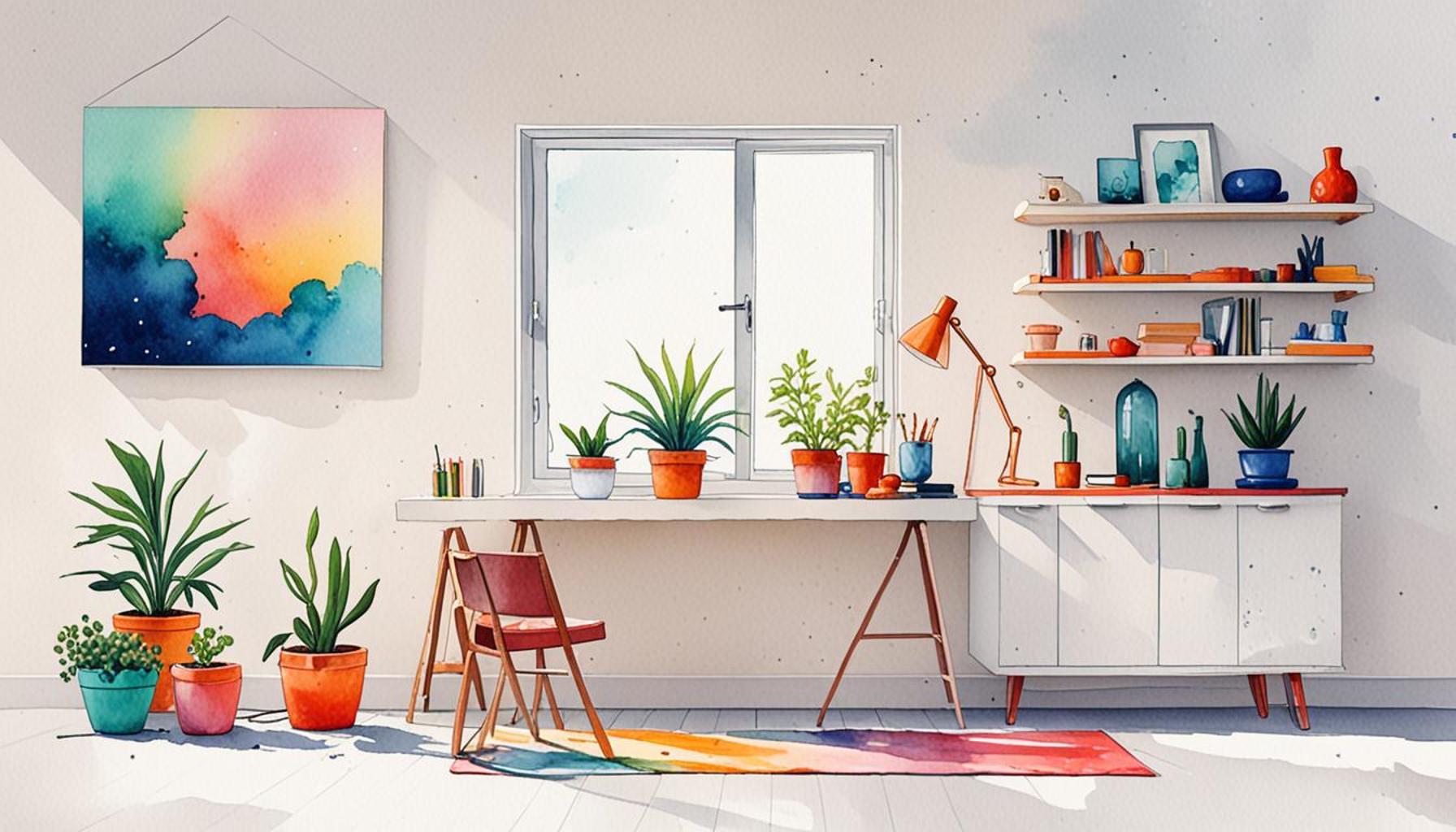
Minimalist Interior Design: Creating Calm and Inspiring Environments
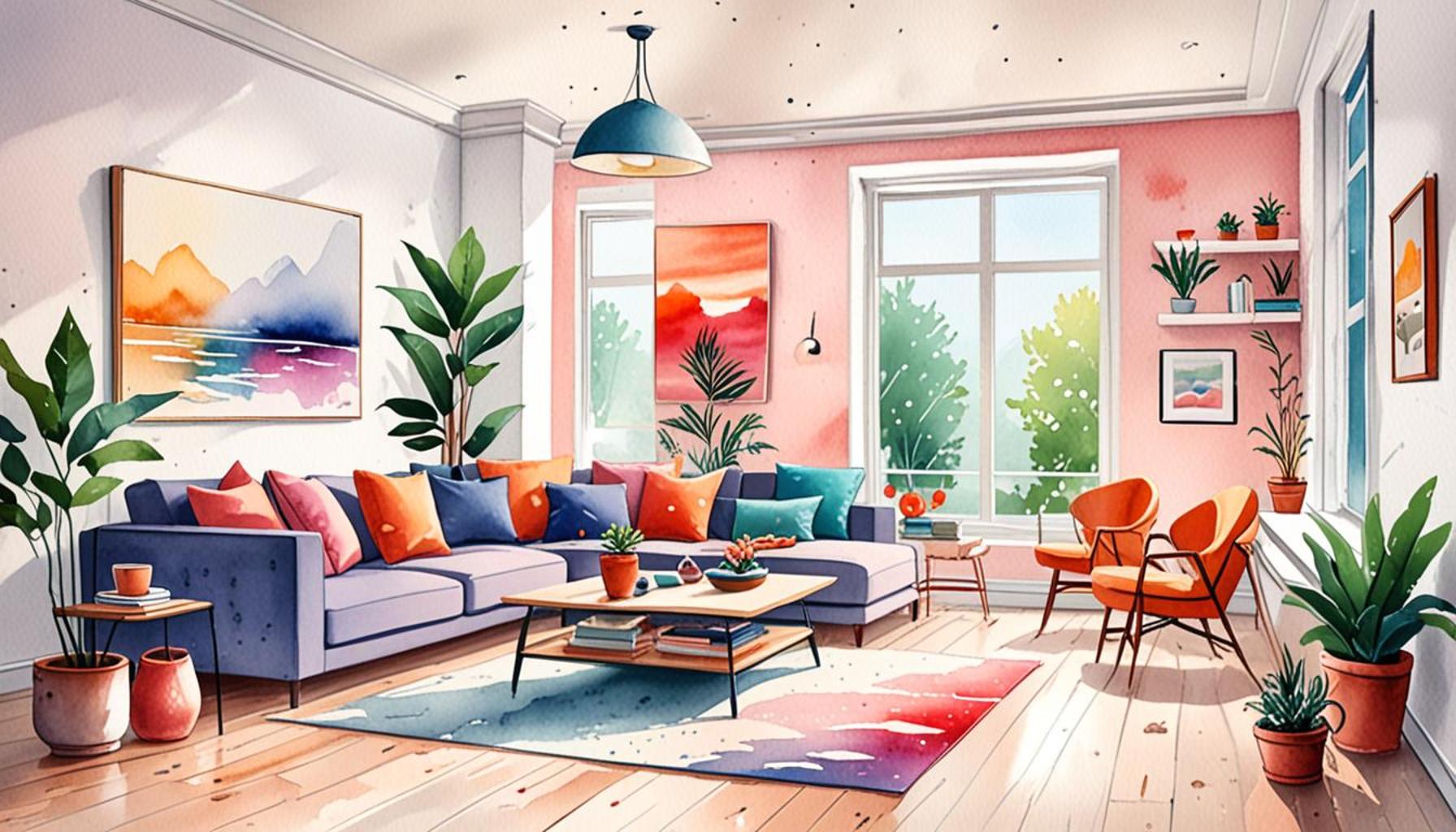
Exploring the Beauty of Minimalist Interior Design
In today’s fast-paced world, the concept of minimalist interior design offers a refreshing escape. It champions the idea that less is more, allowing individuals to cultivate spaces that not only promote tranquility but also inspire creativity and peace. This design movement has gained significant traction, especially in urban areas like New York City and Los Angeles, where residents often seek refuge from the hustle and bustle in their homes.
This design philosophy emphasizes not just aesthetics but also functionality. By focusing on key elements, minimalist design achieves a harmonious balance that enhances your home or workspace. The goal is to foster an environment that feels open and uncluttered, allowing for greater mental clarity. Spaces designed with simplicity in mind can serve as a canvas for personal expression, inviting inhabitants to fill them with meaningful, rather than superfluous, items.
Key Principles of Minimalist Design
- Clear Spaces: Open floor plans and decluttered surfaces create a sense of freedom. For instance, removing unnecessary furniture can open up a small apartment, making it feel more breathable and welcoming. This approach is particularly beneficial in American cities like San Francisco and Seattle, where space is at a premium.
- Neutral Color Palettes: Whites, greys, and earth tones foster calmness. A foundation of soft, neutral hues not only makes spaces appear larger but also creates a serene backdrop for your life—a popular choice among homeowners in suburbs who want to escape the chaos of city life.
- Quality Over Quantity: Fewer, carefully curated items often make a stronger impact than an abundance of décor. Selecting high-quality furniture pieces that serve multiple purposes—like a stylish coffee table that doubles as a storage unit—can make a significant difference in achieving a minimalist aesthetic.
By incorporating these principles, you can transform your environment into a serene oasis. The impact of a well-designed minimalist space extends far beyond aesthetics; studies have shown that such environments can enhance mood, increase productivity, and reduce stress levels. For example, employees who work in minimalistic offices report higher satisfaction and creativity, directly linking design to performance.
As you explore the world of minimalist interior design, anticipate an engaging journey toward creating calm and inspiring environments tailored to your lifestyle. Dive into various resources—books, online forums, and home design shows—to gather ideas and begin your own minimalist transformation. Ultimately, embracing simplicity does not just change your space; it can reshape your entire approach to living and interacting with your surroundings.
DISCOVER MORE: Click here for practical tips
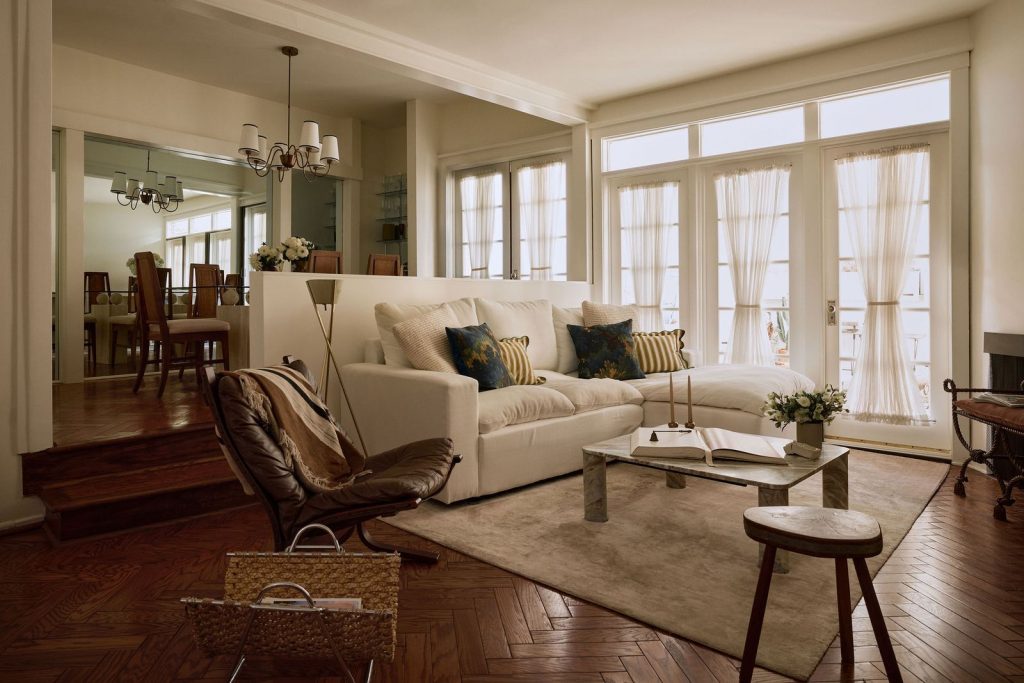
Embracing Minimalism: Transformative Power of Simplicity
When you embrace minimalist interior design, you embark on a journey that transcends mere aesthetics. This design philosophy is anchored in the belief that by intentionally reducing clutter and focusing on essential elements, you can significantly enhance your quality of life. In fact, studies have shown that individuals living in minimalist environments report diminished feelings of overwhelm and an increased sense of control over their space, contributing to an overall improvement in mental well-being.
Central to this design ethos is the idea of intentionality. Each piece of furniture or decor is carefully selected not just for its appearance, but for its functionality and emotional resonance. This conscious decision-making transforms interiors into cohesive stories, where every item has a purpose—be it a calming artwork, a functional bookshelf, or a cozy seating area. For instance, minimalist enthusiasts often find that investing in a few high-quality pieces serves them better than filling their spaces with inexpensive, trend-driven decor.
Incorporating Nature: The Biophilic Element
A core aspect of minimalist design that is gaining traction is the incorporation of nature into living spaces. This idea, known as biophilic design, emphasizes the connection between humans and nature, highlighting the psychological benefits of natural elements in interiors. Many homeowners across the United States are increasingly integrating indoor plants, natural light, and organic materials to enhance the calmness of their environments. By bringing the outdoors in, you can create a soothing atmosphere that promotes relaxation—a crucial aspect, especially for city dwellers who feel disconnected from nature.
Here are a few ways to seamlessly integrate natural elements into your minimalist design:
- Indoor Plants: Select a few low-maintenance houseplants such as succulents or snake plants to purify the air and add a touch of greenery.
- Natural Light: Emphasize windows and open spaces that allow natural light to flood in. This not only enhances mood but also creates a sense of hierarchy and openness within your home.
- Organic Materials: Incorporate furniture and decor made from materials like wood, stone, and bamboo to create a tactile connection to the natural world.
As you explore the integration of nature into your living spaces, you’ll find that these thoughtful choices foster a deeper sense of harmony and balance. The tranquility derived from a well-curated minimalist environment works wonders not only for personal well-being but also for creativity and focus. For those navigating office layouts, a shift toward biophilic design has been shown to boost employee morale and productivity, making it a vital consideration for businesses seeking more efficient workspaces.
In summary, the path toward creating calm and inspiring environments through minimalist interior design involves embracing the essentials, fostering a connection with nature, and prioritizing thoughtfully curated pieces. As you continue on this transformative journey, remain open to new ideas and practices that resonate with your individual aesthetic and lifestyle. The result will not only be visually appealing spaces but also a profound impact on your emotional and mental well-being.
Minimalist Interior Design: Creating Calm and Inspiring Environments
As the pace of modern life accelerates, the appeal of minimalist interior design continues to grow. By stripping away the clutter, this design philosophy fosters an atmosphere of serenity and focus. The essence of minimalism lies in embracing simplicity, where each element in a space serves a purpose. In this second part of our exploration, we will delve into two key advantages of adopting minimalist design principles and how they contribute to creating calm and inspiring environments.
| Advantage | Description |
|---|---|
| Enhanced Well-Being | Minimalist interiors promote a sense of calmness by reducing visual noise, which can significantly enhance mental clarity and overall well-being. |
| Increased Space Efficiency | With fewer items to manage, minimalist designs allow homeowners to focus on essential functionalities, ultimately creating more functional and flexible living spaces. |
In essence, the beauty of minimalism is that it not only has a powerful aesthetic appeal but also significantly impacts our mental and emotional states. As we explore further, we will illuminate how adopting these principles can transform any living space into a haven of tranquility and inspiration.
DIVE DEEPER: Click here to simplify your space
Harnessing Color and Textures: A Palette of Serenity
In the realm of minimalist interior design, the strategic use of color and texture plays a pivotal role in crafting serene environments. Rather than overwhelming spaces with vibrant hues, minimalism encourages a more subdued and refined palette. Soft neutrals such as whites, grays, and beiges are often employed to create a sense of calm and spaciousness. These colors not only reflect light but also enhance the feeling of tranquility, making them prime choices for walls and larger furniture pieces.
Interestingly, research from the University of Alberta indicates that color can significantly affect mood and emotional well-being. By opting for muted tones, homeowners can evoke feelings of stability and peace. For those yearning for a touch of vibrancy, accents in pastel shades or earthy tones introduce visual interest without compromising the minimalist ethos. Textural contrasts are also essential; a mix of smooth surfaces such as glass and metal can be harmonized with soft fabrics like linen or wool. This interplay invites tactile engagement, presenting a welcoming atmosphere that is both minimalist and inviting.
- Accent Walls: Consider a single accent wall in a soft color to serve as a focal point without overwhelming the space. This method draws attention without overtaking the room.
- Layering Textures: Introduce textures through throw pillows, rugs, or wall hangings to create depth. A textured rug can anchor a room, while plush cushions invite relaxation, maintaining comfort within minimalism.
- Colorful Art Pieces: Incorporate a limited number of art pieces that align with your color scheme. A striking artwork can become a focal point while still adhering to minimalist principles.
Functional Spaces: Multi-Purpose Wisdom
In a world dominated by urban living, where space is a premium, the essence of minimalist living shines through in the creation of functional spaces. A minimalist design enables you to maximize utility while maintaining an open and airy feel. Multi-purpose furniture is a hallmark of this style, allowing for seamless transitions between activities without the encumbrance of unnecessary pieces.
For instance, a well-designed ottoman can serve as a coffee table, additional seating, or even as hidden storage. Murphy beds are another excellent example, turning a compact guest room into a comfortable living area by day while offering restful sleep at night. The profound impact of functional spaces is particularly evident in city apartments and smaller homes, where residents seek to optimize energy and resources in a purposeful manner.
Statistics from the National Association of Home Builders indicate that nearly 90% of home buyers prioritize a flexible floor plan, highlighting the demand for functional spaces that adapt to individual lifestyles. This flexibility allows inhabitants to create inspiring environments that cater to their daily needs while encouraging a lifestyle focused on simplicity and mindfulness.
Decluttering: The Art of Letting Go
The practice of decluttering is fundamental to achieving a minimalist interior. Embracing the ‘less is more’ philosophy means systematically eliminating items that do not serve a functional or emotional purpose. This process can be transformative, leading to not only a more aesthetically pleasing environment but also to a profound shift in mindset. A 2017 study published in the Journal of Environmental Psychology found that individuals who actively decluttered reported lower levels of stress and anxiety, arising from a reduced sense of overwhelm.
To embark on your decluttering journey, begin by assessing one space at a time. Categorize your belongings into groups: keep, donate, and discard. Practical standards for keeping items might include their usefulness, sentimental value, and aesthetic appeal. By consciously selecting which items to retain, you are ultimately orchestrating a design that is reflective of your authentic self—creating a minimalist environment that fosters peace and inspiration.
Whether through strategic color choices, functional setups, or mindful decluttering, embracing the principles of minimalist interior design can profoundly influence not just your home, but also your way of life. Each decision made in this journey is a step closer to a space that resonates with calm and creativity, where inspiration flows freely amid simplicity.
DISCOVER MORE: Click here to dive deeper
Conclusion: Embracing Minimalist Design for Tranquility and Inspiration
In conclusion, the transformative power of minimalist interior design lies in its ability to foster calm and inspire creativity. By prioritizing functionality and aesthetics, minimalist spaces invite occupants to focus on what truly matters, promoting a sense of peace and well-being. The strategic use of soft color palettes and diverse textures interplays to create an inviting atmosphere that encourages relaxation and mindfulness. Furthermore, the incorporation of multi-functional furniture ensures that every corner of a home serves a purpose, maximizing utility in today’s increasingly compact living environments.
Crucially, the process of decluttering emerges as a pivotal element in achieving minimalist aesthetics. By letting go of excess and thoughtfully curating possessions, individuals can cultivate spaces that reflect their authentic selves while reducing stress. Research has shown that a decluttered environment can yield not only a more appealing aesthetic but also greater emotional satisfaction and mental clarity.
As we navigate the fast-paced, often chaotic world around us, the principles of minimalist design offer a refreshing perspective—one that emphasizes simplicity, mindfulness, and intentionality. So, whether you are redesigning an entire space or just decluttering a corner, embracing minimalism can lead to an enriched lifestyle characterized by serenity and creativity. Dive deeper into this design philosophy and discover how it can profoundly influence not just your home but also your overall outlook on life.