
Minimalism and the Art of Living with Less: How Space Simplification Can Increase Personal Satisfaction
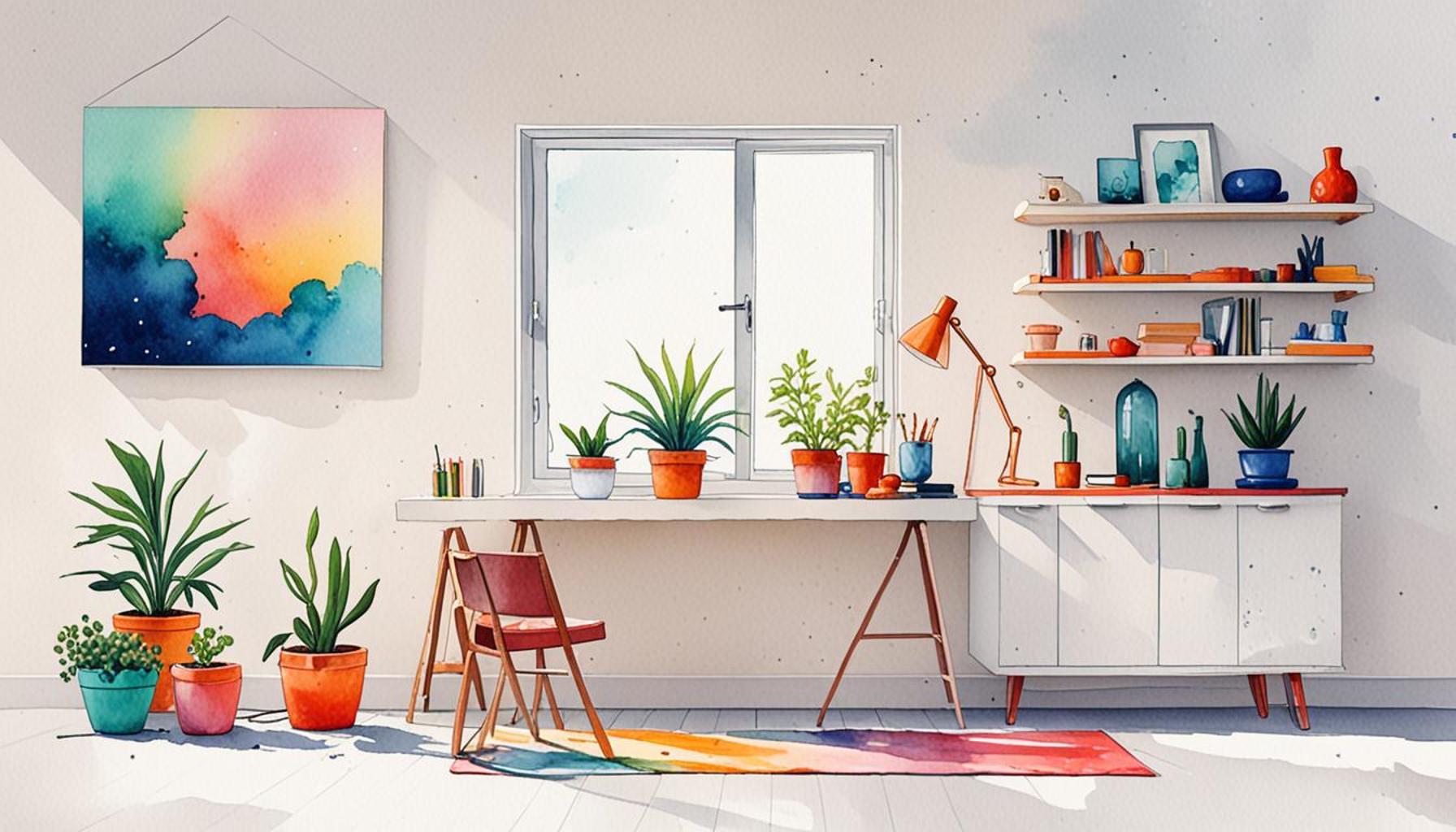
Exploring the Benefits of Minimalism
The modern lifestyle, marked by relentless consumerism and constant distractions, often leaves individuals feeling overwhelmed and unfulfilled. In contrast, minimalism presents a compelling and practical approach to reclaiming control over our lives by advocating for simplicity and intentionality. Living with less goes beyond merely reducing physical possessions; it fosters a mindset that values quality over quantity and invites a profound sense of clarity and purpose.
Understanding the Core Benefits of Minimalism
Adopting a minimalist lifestyle offers numerous advantages that extend far beyond mere aesthetics. Let’s delve deeper into some of these transformative benefits:
- Reduced Stress: A cluttered environment can trigger feelings of anxiety and instability. Research shows that visual clutter can overwhelm our cognitive capabilities, making it harder to make decisions. By maintaining a tidy space, we create an oasis of calm that encourages a peaceful mindset. For example, individuals who have downsized their living spaces often report feeling lighter and more relaxed, as if the weight of their belongings has been lifted.
- Increased Focus: Minimalism allows for better concentration and productivity. By minimizing distractions—be they physical clutter or digital notifications—individuals can dedicate their energy to what truly matters. For instance, many successful entrepreneurs advocate for decluttering their workspace to enhance focus, noting that fewer items on their desks lead to clearer thoughts and more innovative ideas.
- Financial Freedom: Engaging in mindful spending can lead to significant savings over time. By resisting the urge to purchase unnecessary items, individuals can allocate resources towards experiences that foster personal growth. Many minimalist advocates encourage saving up for travel or educational pursuits instead of accumulating material goods, leading to richer life experiences.
- Enhanced Creativity: An organized environment often correlates with enhanced creativity. Removing the noise of excess allows the mind to roam freely, encouraging new ideas to flourish. Artists and writers, for instance, often find that a minimalist workspace enhances their creative flow and ultimately leads to more prolific careers.
Shifting Perspectives: From Possessions to Experiences
Minimalism encourages a fundamental shift in the way we perceive our belongings. As we declutter, we begin to appreciate the importance of experiences and relationships over the transient satisfaction of material goods. For example, countless individuals have shared transformative stories of how their minimalist journeys have allowed them to build deeper connections with family and friends, travel more, and cultivate joys that simply cannot be bought.
As we navigate this exploration of minimalism, it is essential to consider space simplification not just as a strategy for a clearer living area, but as a pathway to deeper emotional satisfaction and fulfillment. By employing practical tips, recognizing the psychological benefits, and drawing inspiration from real-life stories, we can understand how embracing a minimalist lifestyle can lead to meaningful transformation.
Ultimately, the journey into minimalism is not merely about shedding possessions; it’s about making conscious choices that align with one’s values and aspirations. By examining the importance of simplicity, we can cultivate a lifestyle that champions clarity, creativity, and joy—unlocking a more satisfying and purposeful existence.
DISCOVER MORE: Click here to enhance your workspace efficiency
Practical Steps to Embrace Minimalism
Embracing minimalism is a deeply personal journey that requires intentionality and a willingness to let go of excess. While the benefits of a minimalist lifestyle are compelling, the path towards simplification can seem overwhelming for many. Fortunately, there are various practical steps individuals can take to start their minimalist transformation. Here are some key strategies to consider:
- Assess Your Belongings: The first step in simplifying your space involves conducting a thorough inventory of your possessions. Take time to evaluate what you truly need versus what simply occupies space. A popular approach is the ‘30-day minimalism challenge’, where participants gradually eliminate one item on the first day, two on the second, and so forth, culminating in a significant declutter by the end of the month.
- Implement the ‘One In, One Out’ Rule: To maintain a minimalist environment, consider adopting the ‘one in, one out’ strategy for new acquisitions. This means for every new item brought into your home, an old one must be removed. This rule helps curb unnecessary accumulation and reminds you to be mindful of your purchases.
- Create Functional Spaces: Reassessing your living areas can significantly affect how you experience your surroundings. Designate specific zones for different activities—such as work, relaxation, and socializing—to ensure that your space supports your lifestyle. This intentional setup can help reduce clutter and enhance clarity in your daily routines.
- Digital Decluttering: Minimalism is not limited to physical possessions; it extends to our digital lives as well. Spend time cleaning up your email inbox, organizing digital files, and unfollowing social media accounts that do not add value to your life. By reducing digital distractions, you free up mental bandwidth to focus on what truly matters.
Mindset Shifts for Long-term Success
As you embark on your journey toward minimalism, it’s crucial to cultivate a mindset that values simplicity over materialism. This shift in perspective can be gradual but profoundly impactful. Understanding that true fulfillment comes from experiences, relationships, and personal growth rather than the accumulation of things can redefine how you engage with the world around you.
Additionally, seeking out minimalist communities—both online and in your local area—can provide support and inspiration. Engaging with others who share similar values fosters a sense of connection and accountability, making the journey less isolating.
Incorporating mindfulness practices into your daily routine can also reinforce your minimalist goals. Simple activities such as meditation or journaling can heighten your awareness of what brings you joy and satisfaction, guiding you towards more intentional living.
The transition to minimalism is as much about the journey as it is about the destination. While the initial process of decluttering can seem daunting, each step taken toward simplification can unveil a richer, more meaningful existence characterized by clarity and contentment. Recognizing the profound impact of living with less allows individuals to experience personal satisfaction that goes beyond physical space, extending into the realms of mental and emotional well-being.
Exploring the Concept of Minimalism in Daily Living
Embracing minimalism is not just about decluttering your physical space; it’s a transformative lifestyle choice that encourages individuals to adopt a mindset focused on clarity and intention. By simplifying our environments, we create room for what truly matters, enhancing personal satisfaction and mental well-being.
The Psychological Benefits of Minimalism
One of the most compelling reasons to embrace minimalism is its profound psychological impact. Studies indicate that a clutter-free space promotes greater focus and creativity. When distractions are minimized, individuals report feeling less stressed and more in control of their lives. This enhanced sense of autonomy fosters a greater sense of happiness and fulfillment. Similarly, by prioritizing meaningful possessions, individuals often feel a deeper connection to their belongings, which can amplify their appreciation for life’s simpler pleasures.
Creating a Meaningful Space
Crafting a minimalist space involves more than just discarding items. It requires a deliberate approach to what we allow into our lives. Selecting each item based on its utility or emotional value can lead to a more satisfying and enriching living environment. Often, people find that each chosen piece tells a story or serves a purpose, contributing to a tranquil atmosphere that encourages relaxation and mindfulness.
Minimalism as a Path to Financial Freedom
The journey towards minimalism can also lead to significant financial benefits. By reducing unnecessary purchases and focusing on quality over quantity, individuals can save considerable amounts of money. This approach to spending not only lightens physical burdens but also alleviates financial stress, allowing for the freedom to invest in experiences rather than material goods. Life-enhancing opportunities, such as travel or education, often take precedence over the pursuit of the latest consumer trends.
| Advantages of Minimalism | Description |
|---|---|
| Clarity of Mind | A clutter-free environment enhances mental focus and reduces stress. |
| Increased Financial Freedom | Less consumption leads to savings, allowing for investment in meaningful experiences. |
As we delve deeper into the world of minimalism, it becomes evident that simplifying our lives can significantly elevate our sense of satisfaction and well-being.
DIVE DEEPER: Click here for practical tips
Creating a Minimalism-Friendly Lifestyle
Transitioning to a minimalist lifestyle is not just about reducing clutter; it involves rethinking how we approach everyday living. To truly embrace minimalism, it is essential to integrate it into various aspects of your life, making it a holistic practice that aligns with personal values and aspirations.
Making Mindful Purchasing Decisions
Every item we purchase conveys our values and priorities. To cultivate a minimalist lifestyle, consider implementing a filter for your buying habits based on quality over quantity. Ask yourself: “Will this item enhance my life?” or “Do I genuinely need it?” This reflective questioning encourages thoughtful purchases instead of impulse buys that contribute to clutter.
Moreover, tapping into the principles of sustainable living aligns seamlessly with minimalism. The eco-conscious consumer often seeks goods that are not only functional but also sustainably sourced and produced. Supporting local businesses or opting for second-hand items can reduce environmental impact while simultaneously promoting a minimalist ethos.
Rethinking Time Management
Just as physical space should be simplified, so too should our schedules. The overwhelming pace of modern life can lead to cluttered calendars that leave little room for personal interests or self-care. Consider a time audit: track your activities for a week to see where your time is being spent. This assessment can help identify commitments that are draining your energy without providing substantial value.
Once you gain clarity on how you allocate your time, begin to prioritize activities that are meaningful. This approach not only reduces mental clutter but also frees up space for pursuits that foster personal growth and satisfaction. Engaging in hobbies, spending time with loved ones, or simply unwinding can enhance your overall well-being, allowing you to live purposefully.
Curating Moments of Joy
Minimalism celebrates experiences rather than possessions. Curating moments that bring delight can significantly increase personal satisfaction. Activities such as hiking, visiting local art exhibits, or enjoying a communal meal with friends can foster deeper connections and create lasting memories.
Additionally, the practice of gratitude can accentuate the joy found in simplicity. Regularly acknowledging what you have—be it relationships, health, or surprising little pleasures—reminds us that happiness is often derived from appreciating the present moment rather than longing for more. Keeping a gratitude journal can enhance this practice, making positive reflections a daily habit.
The Role of Space in Wellbeing
The environment we inhabit plays a significant role in our mental health and overall satisfaction. A cohesive and uncluttered space encourages relaxation and fosters creativity. Consider using neutral colors and natural materials in your living areas to promote calmness and clarity. The integration of plants, which require minimal maintenance yet significantly brighten a space, can benefit your mental landscape, enhancing feelings of vitality and connection to nature.
By embracing the concept of minimalism across various dimensions of life—from the tangible space we occupy to the intangible experiences we create—individuals can cultivate a balanced existence that champions both personal satisfaction and overall well-being. Every conscious decision contributes to a fulfilling minimalist journey that fundamentally transforms how we perceive and engage with the world around us.
DISCOVER MORE: Click here for tips on creating organized and functional spaces
Conclusion: Embracing Minimalism for a Fulfilling Life
In a world increasingly defined by consumerism and relentless activity, the philosophy of minimalism serves as a refreshing counterbalance. Understanding that meaningful living is not solely about the possessions we accumulate but about the experiences we curate can profoundly alter our approach to life. By actively choosing to simplify our physical spaces and prioritize quality, connection, and mindfulness, we can cultivate an environment that fosters both creativity and well-being.
As we apply minimalist principles to our daily choices—be it through mindful purchasing, efficient time management, or fostering moments that spark joy—we pave the way toward enhanced personal satisfaction. This shift allows us to focus on what truly matters, nurturing deeper relationships and cultivating a sense of gratitude that enriches our lives.
The role of the environment we create cannot be overstated; a decluttered space is a sanctuary for mental clarity and emotional peace. Whether it’s by incorporating natural elements into our homes or disengaging from the constant demands on our schedules, minimalism invites us to reclaim our time and lives.
Ultimately, the art of living with less is about making intentional choices that align with our values and aspirations. As we embrace this transformative journey, we invite greater simplicity, joy, and fulfillment into our lives. By shedding what no longer serves us, we create space—both literally and figuratively—for richer experiences, deeper connections, and a more satisfying existence. Let minimalism be more than just a trend; let it be a guiding principle for a life well-lived.


