The Evolution of Simplified Spaces: Trends and Innovations in Minimalist Design
Understanding the Minimalist Movement
In a fast-paced world overwhelmed by distractions and excess, the appeal of minimalist design emerges as a beacon of simplicity and calm. The growing trend towards minimalist environments is evident not just in residential spaces but also in workplaces, public spaces, and even digital platforms. This movement invites us to reassess our relationship with the items we own and the spaces we inhabit, focusing on their purpose and significance.
Key Principles of Minimalist Design
Minimalist design is guided by several core principles that foster an intentional approach to living and working. At the heart of this philosophy is the emphasis on functionality. Each object should serve a clear purpose, ensuring that every item earns its place in a given space. This reduces clutter and promotes efficiency, allowing individuals to find joy in their surroundings.
Alongside functionality, the use of natural materials plays a significant role in creating serene environments. The rising popularity of wood, stone, and organic fabrics in homes and offices reflects a deeper connection to nature. By incorporating elements like reclaimed wood furniture or stone accents, spaces become not only aesthetically pleasing but also grounded in environmental consciousness.
Clean lines are another hallmark of minimalist design. Geometric shapes and structured forms contribute to a sense of clarity and order. For instance, a coffee table with sleek, angular edges or a light fixture with a straightforward silhouette can transform a chaotic room into a serene oasis, enhancing its overall ambiance.
Color palettes in minimalist spaces lean heavily towards neutral tones, such as whites, grays, and beiges. These hues cultivate a calming atmosphere, reducing visual noise and allowing the mind to rest. This strategic choice of color is particularly evident in contemporary homes in urban settings, where busy lifestyles often make tranquility a luxury.
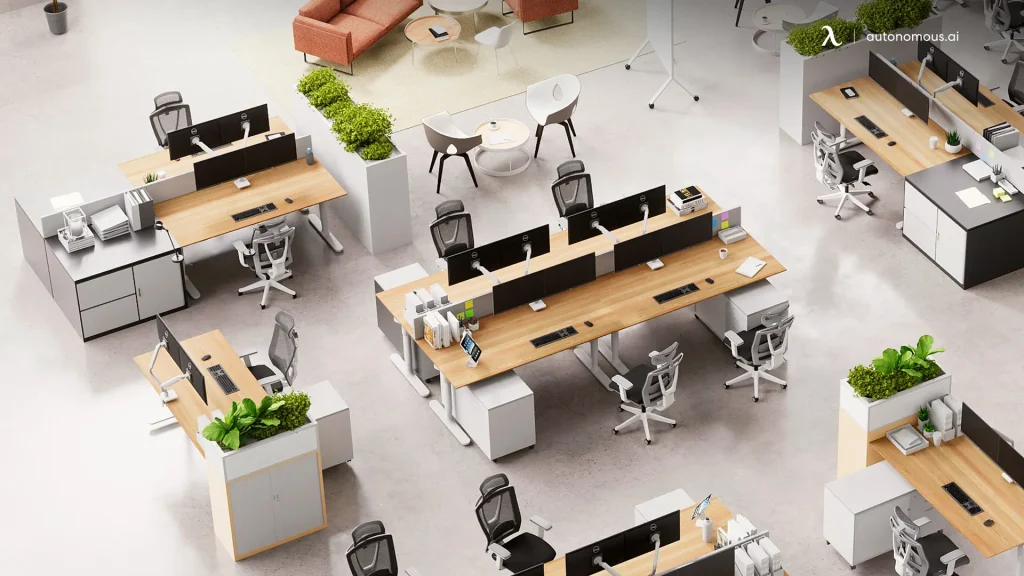
The decluttered spaces philosophy encapsulates the “less is more” approach. By removing unnecessary items, individuals create environments that invite peace and mindfulness. Popular in both homes and offices, this practice helps diminish stress and improve overall well-being.
Innovation and Minimalism
The evolution of minimalist design is also fueled by technological advancements and the increasing importance of sustainability. The integration of smart technology into minimalist spaces illustrates how efficiency can enhance functionality. For example, smart home devices such as thermostats and lighting systems can be seamlessly incorporated into a minimalist design, making spaces not only more functional but also energy-efficient.
Moreover, modular furniture has gained traction as it accommodates dynamic lifestyles, allowing spaces to adapt according to the needs of their inhabitants. A common example includes modular sofas that can be rearranged to fit various activities, from entertaining guests to solo relaxation, offering ultimate versatility in design.
Finally, the movement towards sustainable practices is critical in the realm of minimalist design. Using eco-friendly materials and processes not only supports the planet but also aligns with the minimalist ethos of simplifying life to focus on what truly matters. From bamboo flooring to recycled metal fixtures, the commitment to sustainability is increasingly reflected in modern design choices.
As we delve deeper into the evolution of simplified spaces, we find that embracing minimalism transcends mere aesthetics; it encompasses lifestyle choices that align with identities deeply rooted in simplicity, sustainability, and purpose. Through continued exploration of emerging trends and innovations, we can gain insights into how minimalist design is reshaping environments across the United States and beyond.
DIVE DEEPER: Click here to discover the connection
Contemporary Trends in Minimalist Design
The minimalist design movement has undergone significant transformations over the years, adapting to modern demands while maintaining its core philosophies. As we explore the evolution of simplified spaces, several key trends emerge that highlight the interplay between aesthetics, functionality, and sustainability.
The Rise of Biophilic Design
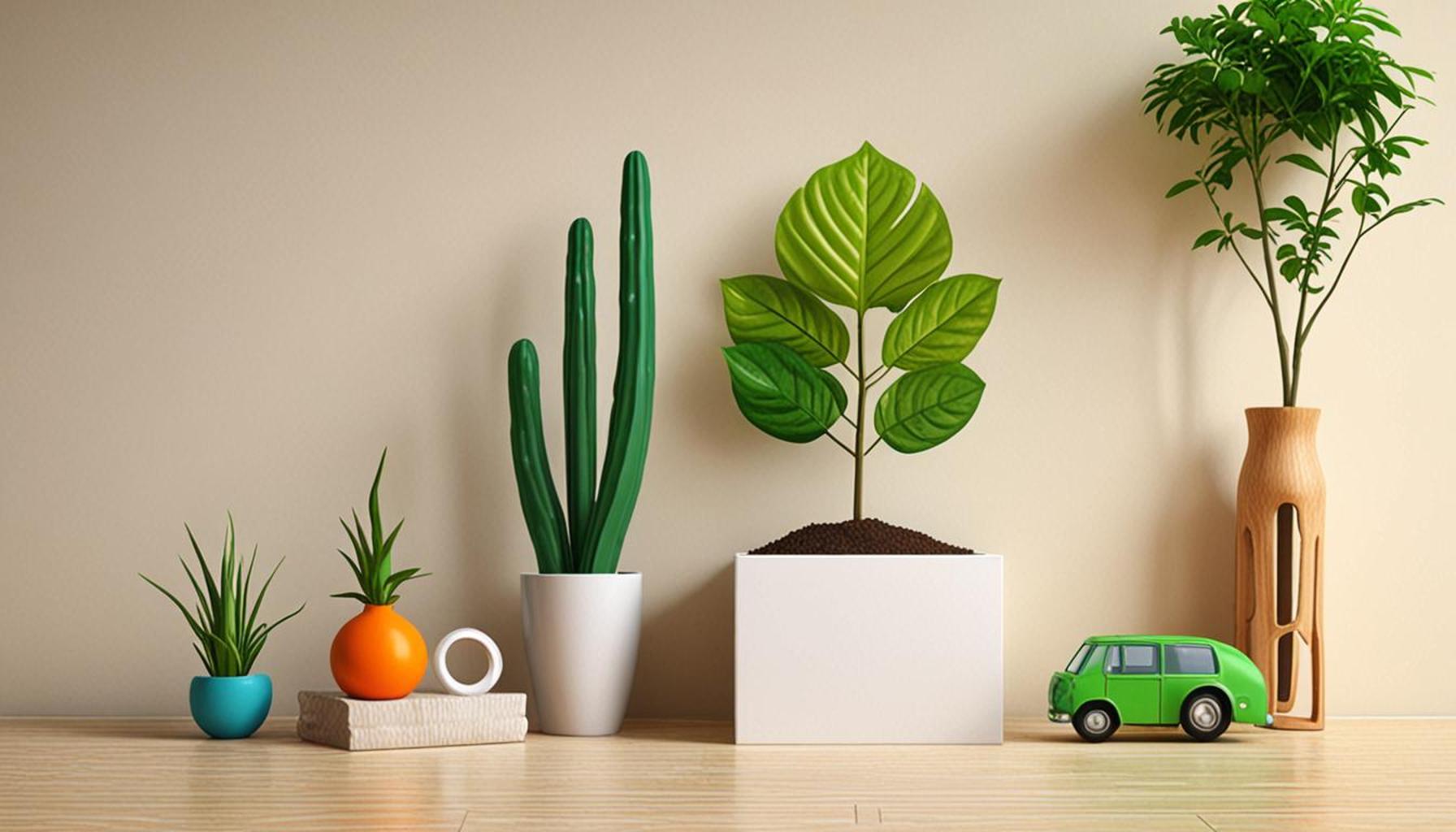
One of the most notable current trends within the realm of minimalism is biophilic design, which seeks to integrate nature into built environments. This movement recognizes the profound connection between humans and nature, aiming to create spaces that not only look inviting but also enhance psychological well-being. Elements such as plant life, natural light, and outdoor views are increasingly integrated into designs, contributing to healthier indoor environments.
Biophilic design principles often include:
- Natural Light: Maximizing sunlight exposure through large windows or skylights to create bright and airy spaces.
- Indoor Plants: Utilizing greenery to improve air quality and bring a touch of vitality to any minimalist setting.
- Natural Materials: Choosing furnishings made from wood, stone, or bamboo to maintain a connection to the natural world.
Space Efficiency and Multifunctional Designs
As urban living spaces become more compact, space efficiency has emerged as a driving force behind innovations in minimalist design. Architects and designers are creating multifunctional spaces that can adapt to the needs of the inhabitants. For instance, a small studio apartment might feature a foldable dining table that doubles as a workspace, or a sofa bed that transforms a living space into a guest area.
This trend leads to the rise of clever storage solutions, such as:
- Built-in Furniture: Custom-built units that maximize space while maintaining a streamlined appearance.
- Hidden Storage: Concealed drawers or compartments within traditional furniture, allowing for a tidier aesthetic.
- Transforming Areas: Movable walls or partition systems that provide flexibility to open or separate spaces as needed.
Smart Home Integration
Technological advancements have also significantly influenced minimalist design, emphasizing the importance of smart home integration. The rise of the Internet of Things (IoT) has prompted the creation of sleek, user-friendly smart devices that align with minimalist aesthetics. Items such as smart thermostats, automated lighting systems, and energy-efficient appliances can be seamlessly integrated into minimalist spaces, enhancing convenience while minimizing visual clutter.
This integration not only simplifies everyday tasks but also promotes an energy-efficient lifestyle, as many smart devices can optimize usage patterns based on user habits. As consumers become increasingly conscious of their ecological footprint, the appeal of merging technology with sustainability becomes even more pronounced.
In the following sections, we will continue to examine key innovations and trends shaping minimalism in design, revealing how these approaches resonate with the evolving needs of contemporary society.
| Trends | Innovations |
|---|---|
| Sustainable Materials | Innovative use of recycled and eco-friendly materials |
| Smart Homes | Integration of technology for space efficiency |
As we delve deeper into the minimalist design narrative, we uncover the powerful influence of sustainable materials that are reshaping the aesthetic and ecological footprint of interiors. Homeowners are becoming more conscious of their choices, opting for furnishings and finishes that not only enhance beauty but also prioritize environmental responsibility. The rise of innovative products made from recycled resources exemplifies this commitment, enabling a minimalist ethos without compromising on quality or style.Furthermore, the evolution of smart homes is revolutionizing the minimalist experience. Technologies that streamline daily functions have made it possible to maximize space while minimizing clutter. From automated lighting to integrated storage solutions, these innovations provide the dual benefit of practicality and elegance. Embracing technology in the design narrative suggests a shift toward not just physical space, but the creation of seamless living environments that reflect both simplicity and modernity. The prospect of a future where functionality intersects with minimalist ideals is intriguing, prompting exploration into how these two domains can continue to redefine our surroundings.
DISCOVER MORE: Click here for practical tips
Innovative Materials and Techniques in Minimalist Design
As the minimalist design movement progresses, the use of innovative materials and techniques has become pivotal in shaping contemporary spaces. Designers are increasingly experimenting with alternative materials and applications that not only elevate aesthetics but also promote sustainability.
Eco-Friendly Materials
A core principle of minimalism is the emphasis on simplicity, which has naturally led to the adoption of eco-friendly materials. Designers are prioritizing materials that have a low environmental impact while retaining a refined aesthetic. For instance, reclaimed wood is gaining popularity due to its sustainability and uniqueness, providing a warm, textural contrast to sleek minimalist designs. Additionally, recycled metals and glass are increasingly utilized, offering industrial charm without compromising the planet.
Innovative bioplastics are also on the rise, created from renewable sources like cornstarch or sugarcane. These materials can mimic traditional plastics in functionality while being biodegradable, contributing to a more sustainable design philosophy.
3D Printing in Design
Another significant innovation reshaping minimalist spaces is 3D printing. This transformative technology allows for precision and customization in design, facilitating the creation of complex forms that were once too complicated or expensive to make. Minimalist furniture and decorative elements can now be tailored to fit specific spaces precisely, minimizing waste and optimizing resource usage.
Architects and designers have started to pioneer buildings made with 3D printing, using concrete and other composites that can be layered to form intricate designs. The architectural precision achieved through this method aligns perfectly with the minimalist ethos of clean lines and geometric forms, providing aesthetic appeal without excess.
Color Palette Trends
The color palettes adopted in minimalist design have also seen a notable shift in recent years. Today’s trends lean towards neutral tones, with whites, beiges, and soft grays dominating the landscape. These colors enhance the feeling of space while ensuring flexibility in styling and decor choices. However, designers are now also exploring the inclusion of accent colors, particularly deep, rich hues like forest greens or navy blues, serving as striking contrasts against a muted background. This way, spaces can maintain their minimalist integrity while infusing personality and energy.
Additionally, the use of monochromatic schemes has gained traction, where different shades of a single color are employed to create depth and interest without deviating from the minimalist philosophy.
Art and Minimalism
Art also plays a crucial role in the evolution of minimalist spaces, with many designers opting for oversized, statement pieces that captivate without overwhelming. This trend reflects a broader cultural appreciation for art’s emotional impact, seamlessly blending into minimalist aesthetics. By choosing art that embodies the principles of simplicity and purpose, homeowners can add sophistication to their spaces without cluttering them.
In conjunction with these innovations, the ongoing dialogue surrounding minimalism as a lifestyle choice continues to resonate, making it both a practical and inspirational framework for modern living. As designers develop more resourceful techniques, shapes, and visual elements, the appeal of minimalist spaces remains firmly rooted in their ability to harmonize beauty, function, and sustainability. The next wave of minimalist design will undoubtedly push these boundaries even further, inviting broader society to engage with the simplicity of form and the richness of experience.
DISCOVER MORE: Click here to learn how to elevate your minimalism
Conclusion: The Future of Minimalist Design
The journey of minimalist design has been one of continuous evolution, marked by a response to contemporary needs and challenges. As we have explored, the integration of innovative materials, such as reclaimed wood and eco-friendly bioplastics, showcases a growing commitment to sustainability while honoring the principles of simplicity and functionality. The advent of 3D printing has revolutionized the way we perceive spatial design, allowing for a level of customization that aligns seamlessly with the minimalist ethos of clean lines and precise geometries.
Additionally, the thoughtful use of color palettes, shifting towards subtle neutrals infused with bold accents, enriches environments without detracting from the essence of simplicity. Art’s increasing prominence within minimalist spaces not only enhances the aesthetic appeal but also elevates emotional connectivity, providing a dialogue between the space and its occupants.
As minimalist design continues to permeate various aspects of modern living—from architecture to furnishings—its relevance remains significant, embodying a lifestyle choice that embraces quality over quantity. This approach encourages individuals to reflect on their relationship with their surroundings, promoting a sense of calm and clarity amidst the chaos of everyday life. Looking ahead, the intersection of technology, sustainability, and artistry will undoubtedly shape the future of minimalist spaces, inviting more people to discover the beauty of reduced complexity. Thus, the evolution of simplified spaces serves not only as a design philosophy but also as a broader cultural movement that champions intentional living.