
Simplified Spaces for the Mind: The Relationship between Minimalism and Mental Clarity

The Significance of Mental Clarity in Your Everyday Life
In today’s fast-paced world, individuals constantly contend with an overwhelming array of stimuli—ranging from digital notifications to the clutter of daily tasks. This constant barrage can muddle cognitive functions, making the pursuit of mental clarity vital. One transformative philosophy that emerges as a beacon amidst this chaos is minimalism, a lifestyle choice that advocates for stripping away the excess and honing in on what truly matters.
At its core, minimalism is about prioritizing simplicity. By embracing this lifestyle, individuals can find not only a reduction in physical items but also a significant shift in their mental landscape. Imagine walking into a room with clear surfaces, intentional decor, and a purposeful arrangement of space—this is the kind of tranquil environment that minimalism fosters. With fewer items vying for attention, individuals report feeling less anxiety and more peace, allowing them to think clearly and creatively.
Decluttered Spaces Lead to Clearer Minds
Decluttered spaces have a remarkable effect on our psychological well-being. Research demonstrates that clutter can lead to feelings of stress and overwhelm, making it difficult to focus. A study conducted at the Princeton University Neuroscience Institute found that physical clutter in one’s environment competes for attention, ultimately impairing our ability to concentrate. Conversely, a minimalist space facilitates productivity and cognitive clarity, enabling individuals to engage fully with tasks and responsibilities.
Intentional Living Promotes Value and Reduces Stress
Each item we own carries an emotional weight, and by embracing intentional living, individuals can curate their possessions with purpose. This practice means evaluating what contributes positively to one’s life. For instance, instead of keeping clothes that are rarely worn or furniture that serves no practical purpose, minimalism encourages the retention of items that truly add value. This not only brings peace of mind but also reduces the stress associated with maintaining an excess of belongings.
Enhanced Productivity Through Fewer Distractions
When distractions are minimized, productivity naturally receives a boost. Enhanced productivity is a hallmark of a minimalist approach. By creating a dedicated workspace with only essential tools, individuals can experience deeper concentration. For instance, tech professionals and creatives alike are increasingly advocating for minimalist desks—often featuring only a laptop and a notepad—to minimize sensory overload. This focused setup allows them to immerse themselves in their work without the surrounding noise of unnecessary items.
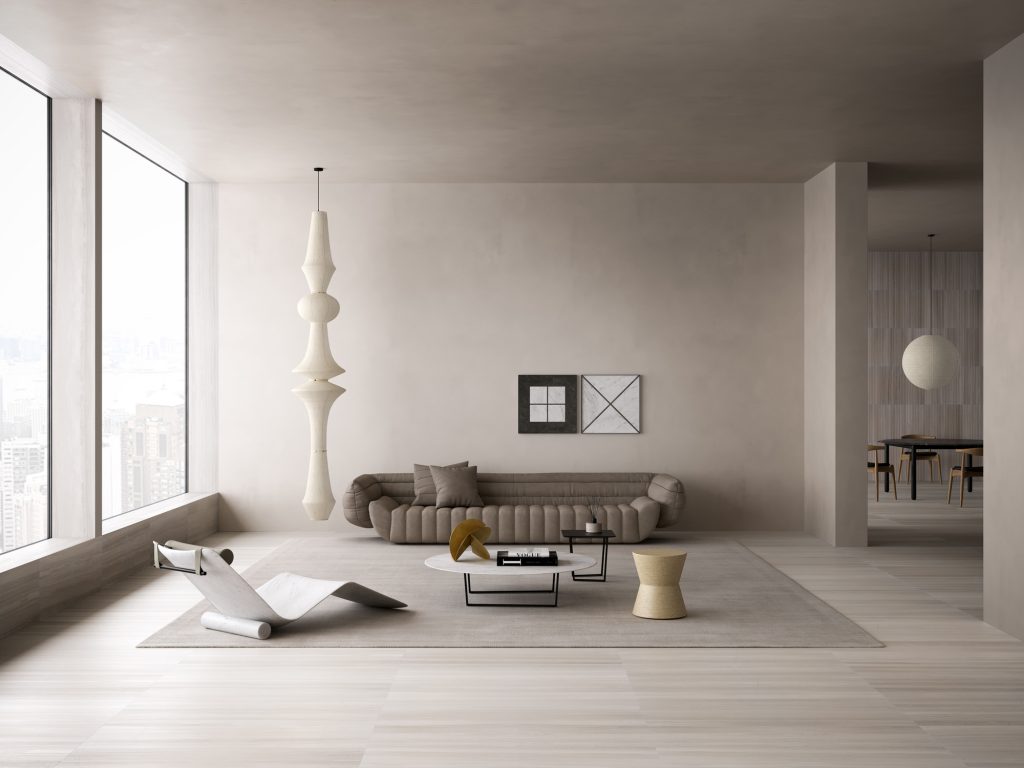
Overall, the journey toward minimalism begins with small changes. Whether it’s adopting a minimalist workspace, organizing a room with intention, or simply reducing daily distractions, every step taken can yield profound benefits. As you reflect on how a simpler environment might cultivate a sharper, more focused mind, consider the peace that comes with embracing minimalism—an approach that challenges the notion that more is better and showcases that less truly can equal more.
Exploring minimalism opens doors toward not only a cleaner living space but a more tranquil state of mind. As you engage with these concepts, think about how to implement them in your life, fostering a holistic sense of clarity across all dimensions of your daily existence.
Dive Deeper: Click here to discover mindful living strategies
Understanding the Principles of Minimalism
To grasp the profound relationship between minimalism and mental clarity, it is essential to delve into the foundational principles of minimalism itself. Minimalism is more than just a aesthetic choice; it encompasses a lifestyle that encourages the elimination of excess in order to focus on what truly matters. This philosophy can be distilled into several key tenets that resonate throughout the lives of those who embrace it, ultimately contributing to a clearer mental state.
The Philosophy of Less is More
At the heart of minimalism lies the philosophy of less is more. By simplifying one’s surroundings, individuals often find that their mental load lessens as well. This is not to suggest that material possessions are inherently negative; rather, it highlights the importance of intentionality in our choices. Belongings should enrich our lives, not detract from our mental well-being. For example, a study conducted by the American Psychological Association shows that individuals who rate their living spaces as organized report lower levels of stress, suggesting a direct correlation between the cleanliness of a space and psychological health.
A Shift in Perspective: Quality Over Quantity
Minimalism invites a transformative shift in perspective—quality over quantity. This principle encourages individuals to invest in meaningful items that resonate with their values and serve a clear purpose. Whether it is a piece of art that inspires creativity or a book that provides knowledge, having fewer but more impactful items can lead to a richer life experience. Adopting this mindset can help counteract consumerism’s pressures, allowing one to prioritize what truly contributes to mental clarity.
Creating a Calming Environment
The physical environment plays a critical role in shaping cognitive processes. By creating a calming environment, individuals can enhance their focus and reduce feelings of overwhelm. Here are a few strategies that can be easily implemented in any setting:
- Limit Color Palettes: Opt for neutral colors that promote serenity.
- Maximize Natural Light: Use sheer curtains to invite as much natural light in as possible.
- Select Multi-Functional Furniture: Choose items that serve multiple purposes to reduce clutter.
- Create Zones: Designate specific areas for different activities to create mental boundaries.
As research suggests, a serene environment fosters not only productivity but also stability in one’s mental state. A study published in the journal Environment and Behavior indicates that individuals in minimally decorated spaces reported higher levels of calmness and lower levels of anxiety. This substantiates the idea that a tranquil atmosphere can act as a catalyst for clear thinking and creativity, further reinforcing the benefits of minimalism.
Adopting minimalism is not solely about reducing physical items; it is a holistic approach that influences one’s mental landscape. It challenges individuals to question their relationship with material possessions and reassess what genuinely contributes to their overall well-being. As you explore the principles of minimalism, consider how these foundational ideas can facilitate mental clarity in your own life.
In exploring the profound connection between minimalism and mental clarity, it’s essential to consider how our environments shape our thoughts and feelings. Simplified spaces allow for an atmosphere that promotes focus, reducing distractions and enabling clearer thinking. This not only enhances cognitive performance but also alleviates stress and anxiety associated with chaotic surroundings.Research indicates that a minimalistic approach can significantly improve emotional well-being. In a clutter-free environment, individuals report greater peace of mind and an increased ability to concentrate on tasks. Minimalism encourages us to prioritize what truly matters, aiding in decision-making processes by inviting clarity into our daily choices.Moreover, removing excess items from our living spaces can lead to a sense of freedom. The act of decluttering releases not just physical possessions but also mental burdens, creating a sense of liberation that supports psychological health. As we embrace simplified living, we gain the space needed for reflection, creativity, and mindfulness.Consider the psychological benefits of incorporating minimalist principles into our routines. For instance, choosing a color palette that is soft and harmonious can calm the mind, while well-organized, functional spaces can enhance productivity. Adopting minimalism doesn’t mean sacrificing style; instead, it’s about creating a personalized environment that reflects inner peace.Through intentional design choices, such as using multi-functional furniture, we can optimize our environments for both aesthetics and functionality, further contributing to mental clarity. Each item can serve a purpose, thereby reinforcing a sense of control over our environments and, in turn, our thoughts. Ultimately, the philosophy of minimalism is not just about living with less—it’s about making room for more of what enhances our lives. Embracing this lifestyle allows individuals to cultivate spaces that support mental clarity and emotional health, paving the way for a more focused, fulfilling existence. By focusing on creating simplified spaces, we can better understand the intricate relationship between minimalism and mental clarity, paving the way for further exploration of how our surroundings shape our psyche.
DISCOVER MORE: Click here for insights on mindful living
How Minimalism Enhances Mental Clarity
The connection between a minimalist approach to our environments and improved mental clarity extends beyond mere aesthetics. It impacts cognitive behaviors, emotional stability, and overall productivity. By incorporating minimalism into daily life, individuals can experience not just a physical decluttering, but also a psychological shift that fosters greater focus and clarity.
The Cognitive Benefits of Decluttering
Decluttering is often the first step in embracing minimalism, and it has significant cognitive benefits. A study from the University of California, Los Angeles showed that clutter in living or work spaces can reduce one’s ability to focus by creating distraction overload. In a cluttered environment, the mind struggles to process information efficiently, diverting attention from tasks at hand. Conversely, decluttering allows the brain to operate in a streamlined manner, fostering improved concentration.
The Psychological Impact of Simplicity
Engaging with minimalist principles can extend beyond our physical spaces and into our mental frameworks. When individuals adopt a mindset oriented towards simplicity, they often experience a reduction in anxiety and stress. Research from the Journal of Environmental Psychology indicates that people who practice minimalism report feeling more peaceful and less overwhelmed by societal pressures. This shift towards simplicity encourages mindfulness, which is crucial for enhancing mental clarity.
Intentional Living and Decision-Making
Embracing minimalism propels individuals into a realm of intentional living. This involves making conscious decisions about one’s time, energy, and priorities. In a world rife with distraction and over-commitment, being intentional allows people to prioritize what genuinely adds value to their lives. By applying minimalism to time management, individuals can create more space for self-care, creativity, and deep thinking.
- Time Blocking: Allocate specific blocks of time for tasks without interruptions.
- Prioritize Tasks: Use a simplified system to focus on what is genuinely important, avoiding the trap of busyness.
- Mindful Consumption: Limit the consumption of information, choosing to engage only with content that enriches knowledge and insight.
These intentional choices lead to clearer goals and enhanced productivity levels, allowing individuals to navigate their responsibilities with a more focused mindset.
Community and Minimalism: The Social Aspect
Minimalism is not just an individual endeavor; it often manifests in communities and social movements that prioritize clarity over chaos. The rise of minimalist living communities, shared spaces, and co-housing is a testament to this evolving trend. These collective efforts illustrate how connectivity can simplify life and contribute to mental well-being. Research indicates that collaborative living arrangements positively impact mental clarity by fostering relationships and reducing feelings of isolation.
The interplay between minimalism and mental clarity can be thought of as a virtuous cycle: as one simplifies their surroundings, they often foster mental clarity, which subsequently leads to more intentional living choices. The integration of these principles into daily practice is a continual journey; exploring how simplicity leads to sophistication in our lives is fundamental to harnessing the benefits of minimalism. Through this exploration, individuals can cultivate an environment that not only supports their mental health but encourages a more enriching and fulfilling life experience.
DIVE DEEPER: Click here to enhance your productivity
Embracing Minimalism for a Clearer Mind
In conclusion, the relationship between minimalism and mental clarity is profound and multidimensional. By adopting a minimalist lifestyle, individuals can unlock a myriad of cognitive and psychological benefits that facilitate not only personal growth but also emotional well-being. The act of decluttering serves as a gateway to enhanced focus and productivity, demonstrating that a clean environment fosters a clearer mind.
The psychological impacts of minimalism extend far beyond aesthetics; they cultivate a sense of peace and reduce anxiety in everyday life. By embracing intentional living—making conscious choices about our surroundings and time—we can streamline our decision-making processes, prioritizing what genuinely enriches our lives. This deliberate approach nurtures creativity and supports mental health, establishing a positive feedback loop where simplicity leads to sophistication.
Moreover, the social dimensions of minimalism reflect the evolving nature of community interactions, as co-housing and shared spaces encourage connectivity and decrease feelings of isolation. As research suggests, these communal experiences foster a collective clarity that enhances overall mental wellness.
As we navigate the complexities of modern life, the journey towards minimalism offers a refreshing perspective: a way to clean our physical spaces while simultaneously decluttering our minds. Now is the opportunity to explore this synergy, ensuring that we create environments that not only reflect simplicity but also inspire clarity, mindfulness, and well-being. The pursuit of minimalistic living emphasizes that less truly can be more, leading to richer, more fulfilling experiences in our daily lives.