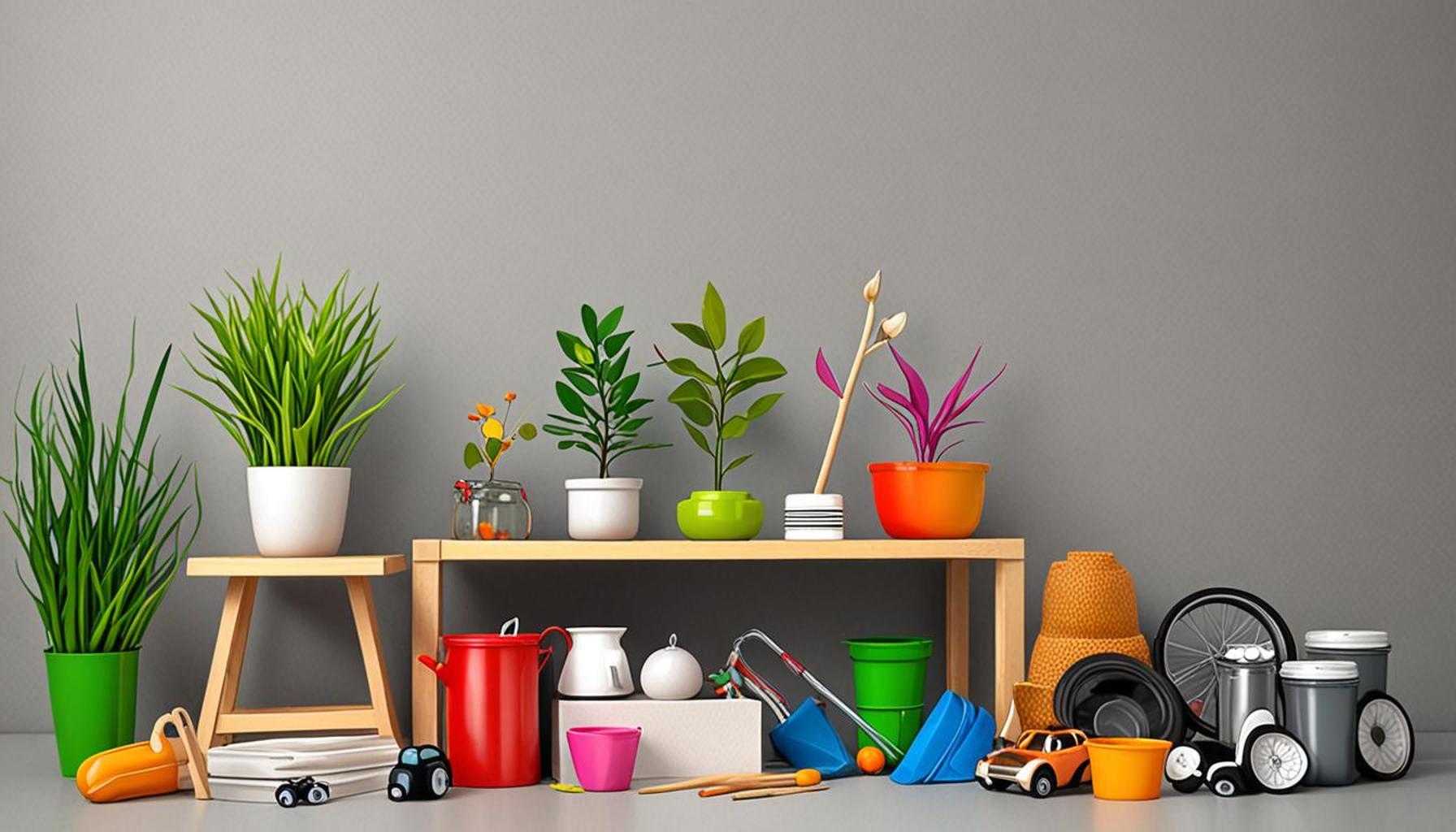
The Impact of Clutter on Physical Health: How Disorganized Spaces Affect Well-Being

Understanding the Impact of Disorganization on Well-Being
Living in cluttered spaces can have a surprisingly profound effect on our physical health. Research reveals that an organized environment is not just aesthetically pleasing; it is essential for overall well-being. Disorganization can lead to stress, anxiety, and even physical ailments, making it crucial to examine how our surroundings influence our daily lives.
How Clutter Affects Our Health
Consider the following impacts:
- Stress Levels: A chaotic environment can elevate cortisol levels, contributing to chronic stress. Numerous studies have found that clutter can serve as a constant reminder of unfinished tasks, creating an underlying tension. For instance, in one survey conducted by the Princeton University Neuroscience Institute, it was reported that participants in tidy environments were able to concentrate more effectively than those in messy spaces.
- Injuries: Clutter increases the risk of accidents, such as trips and falls, especially in homes with children or seniors. According to the National Safety Council, falls are the leading cause of injury-related deaths among adults over 65. Piles of clutter can obscure paths and create hazards that can lead to significant injuries, especially in households where mobility is already an issue.
- Respiratory Issues: Dust and allergens accumulate in disorganized spaces, leading to respiratory problems. In homes with poor ventilation and excessive clutter, mold and dust mites can thrive, aggravating allergies and asthma. The American Lung Association highlights the importance of maintaining a clean environment, particularly for those with pre-existing respiratory conditions.
Moreover, clutter can disrupt our focus, making it difficult to complete daily tasks effectively. Research from the University of California, Los Angeles, states that individuals surrounded by clutter report feeling overwhelmed and distracted. In contrast, individuals in tidy environments tend to report higher productivity and a more positive mood. It’s clear that the state of our surroundings matters far more than we often realize.
Unraveling the Clutter
Interested in improving your health? Understanding the connection between your physical space and your well-being is the first step. By acknowledging the hidden dangers of clutter, you can take proactive steps towards eliminating it from your life. Start small—choose a specific area to declutter, such as your workspace or living room, and gradually expand from there.
Implementing regular organization routines can promote a healthier, more balanced life. Techniques like the “one in, one out” rule, where you discard an item when you acquire a new one, can help maintain order. Explore various organizational methods, such as the popular KonMari method, which encourages individuals to keep only those items that spark joy. Ultimately, creating a more organized environment can serve as a foundational step not only in enhancing your physical space but also in improving your mental and emotional well-being.

DIVE DEEPER: Click here to enhance your productivity
The Hidden Dangers of Clutter
Clutter tends to creep into our lives, often unnoticed, but its effects resonate far beyond an unkempt room. The unsettling reality is that clutter can significantly disrupt our physical health, leading to a range of complications that might not be immediately obvious. Recognizing these connections is vital for anyone looking to improve their overall well-being.
Emotional and Mental Load
One of the most insidious effects of clutter is its impact on mental health. A disorganized space can create a feeling of overwhelm, making daily tasks feel monumental. When faced with clutter, the brain may perceive it as a form of stress, elevating anxiety levels and even leading to feelings of hopelessness. The American Psychological Association states that a chaotic environment can trigger feelings of disappointment in oneself, increasing emotional confusion. This emotional burden can manifest in various ways, from irritability to difficulty concentrating, ultimately affecting relationships and performance at work or school.
Moreover, the concept of “decision fatigue” often plays a role in how clutter impacts mental well-being. When surrounded by excessive items, making decisions about what to keep, throw away, or organize can drain mental energy, overwhelming even the most organized individuals. A study published in the journal “Personality and Social Psychology Bulletin” found that too much clutter can lead to poorer decision-making processes, underscoring the psychological price we pay for neglecting our spaces.
The Physical Toll of Disorganization
Clutter doesn’t just affect our minds; it also has tangible physical effects. Some significant impacts include:
- Increased Risk of Injury: Clutter can transform a home into a potential hazard. Items left on the floor or in walkways can lead to slips, trips, and falls—a particular concern for families with children or elderly individuals. Studies indicate that as much as 40% of home injuries result from falling, many of which could be prevented by maintaining tidiness. For instance, a simple set of shoes or toys not properly stored can turn a cozy family room into a treacherous obstacle course.
- Compromised Immune System: Clutter tends to harbor bacteria, dust, and allergens, all of which can contribute to respiratory problems and weakened immune responses. Air quality can be significantly affected in overly cluttered spaces, worsening conditions like asthma and allergies. The Environmental Protection Agency emphasizes that maintaining a clean indoor environment is crucial for health, particularly for vulnerable populations. Regular cleaning routines not only eliminate clutter but also serve as a preventative measure against potential health issues.
- Poor Sleep Quality: The impact of clutter extends to sleep hygiene—an essential component of physical health. Individuals surrounded by disorder may struggle with sleep disturbances, as the mind remains active trying to process a chaotic environment. The National Sleep Foundation highlights the importance of a calming, organized space for achieving quality sleep, which in turn affects overall health. In fact, research shows that people who sleep in tidy bedrooms reported better sleep quality compared to those in cluttered surroundings.
The evidence is clear: the implications of clutter reach beyond aesthetics; they infiltrate our daily lives and well-being. Understanding the physical health effects of disorganized spaces can motivate individuals to take action. By gradually addressing clutter and establishing healthier habits—such as setting aside a few minutes each day for organization—one can pave the way to not just an organized living space but a more stable and healthier life. This proactive approach not only enhances physical safety but can also drastically improve mental clarity and emotional stability, leading to a more fulfilling lifestyle.
As we continue to explore the profound effects of clutter on physical health, it’s crucial to understand how our environments shape not just our mental well-being but also our physical condition. Research indicates that disorganized spaces can significantly elevate stress levels, leading to myriad health problems.
The Stress Connection
In a cluttered environment, the brain is continually distracted, which can create a perpetual state of stress. This chronic stress can lead to conditions such as hypertension or heart disease, making it essential to maintain an organized space. Furthermore, the act of navigating through clutter can lead to physical injuries, such as trips and falls—a hazard particularly concerning for the elderly or disabled individuals.
Impact on Productivity
Disorganized spaces can also hinder productivity, reducing motivation and increasing feelings of overwhelm. According to studies, people working in cluttered environments take longer to complete tasks and make more errors. This frustration can contribute to a sense of helplessness and despair, further exacerbating mental and physical health repercussions.
The Importance of Decluttering
Encouraging frequent decluttering practices can therefore be beneficial not only for mental clarity but also for physical health. Establishing a routine that includes cleaning and organizing fosters a healthier, more focused lifestyle. In fact, individuals who regularly engage in decluttering report higher life satisfaction and lower levels of anxiety.
Physical Well-Being
Moreover, disorganized spaces often harbor dust and allergens, contributing to respiratory issues or allergies. For instance, a cluttered home can accumulate dust mites and mold, significantly affecting the health of those with asthma or other respiratory conditions. Taking time to maintain a clean and organized space can lead to not just improved aesthetics but also enhanced physical well-being.
As we unveil the intricate relationship between our surroundings and personal health, embracing tidiness emerges as a simple yet effective way to enhance overall well-being. The first step may start as a daunting task, but the rewards—physical vitality, mental clarity, and emotional stability—are invaluable. Understanding this impact can guide us toward creating spaces that promote health rather than harm.
| Category | Impact on Health |
|---|---|
| Stress and Anxiety | Clutter can elevate stress levels, leading to increased risk of heart disease and anxiety disorders. |
| Physical Safety | Disorganized spaces increase risks of accidents, including falls or injuries related to navigating through clutter. |
| Respiratory Health | Clutter can accumulate dust and allergens, exacerbating respiratory conditions like asthma. |
DIVE DEEPER: Click here to uncover minimalist strategies for small spaces
Clutter’s Influence on Lifestyle Choices
Beyond its immediate physical and emotional effects, clutter can significantly alter lifestyle choices and behaviors, leading to a cascading impact on overall health. When living in disorganized spaces, individuals often make compromise decisions regarding their well-being, affecting their diet, exercise, and even social interactions.
Deterioration of Healthy Eating Habits
Research reveals that clutter can create an environment that discourages healthy eating. Individuals surrounded by disarray may find it challenging to prepare meals, as the perceived chaos can increase the likelihood of turning to convenient, unhealthy food options. A study published in the journal “Environment and Behavior” found that those in cluttered kitchens are more apt to choose fast food or processed snacks over home-cooked meals, which can have long-term consequences for physical health.
Moreover, the visual overload of clutter may trigger impulse eating; studies indicate that individuals in disorganized environments are more likely to engage in emotional eating. This tendency can lead to weight gain and related health conditions such as diabetes and heart disease. Healthy eating relies on the ability to make conscious choices, and when overwhelmed by clutter, these choices may be muted or neglected.
Neglected Physical Activity
Physical activity can also take a backseat in cluttered environments. A disorganized space can lead to decreased energy levels and motivation, making it challenging to prioritize exercise. According to the American Heart Association, a cluttered home environment can lead to a sedentary lifestyle, increasing the risk of obesity and cardiovascular diseases. Tasked with the burden of managing the chaos, individuals might opt for couch time instead of workout time, creating a cycle that perpetuates both the clutter and health deterioration.
Social Isolation and Mental Well-Being
Another essential aspect to consider is the effect of clutter on social interactions. People living in clutter-filled homes may feel embarrassed or ashamed to invite friends and family over. This can lead to social isolation, which in itself has profound impacts on mental and physical health. The Centers for Disease Control and Prevention (CDC) reports that social connectedness plays a vital role in promoting wellbeing, affecting everything from immunity to longevity. Lack of social support further contributes to stress and anxiety, which can exacerbate both clutter and health complications.
The Impact on Family Dynamics
Clutter can create an atmosphere of chaos that spills over into family dynamics, leading to conflict and strained relationships. In homes where clutter reigns, parents may struggle to keep their children organized, which can result in frustration and arguments. A study featured in the “Journal of Family Psychology” indicated that disorganization in family spaces contributes to heightened instances of familial discord, impacting the emotional stability of required family structure.
Understanding how clutter influences lifestyle choices shines a light on the interconnectedness of our environments and health. By fostering awareness of these impacts, individuals can take the first steps towards healing—not just their spaces, but their overall lifestyle. Small adjustments, such as committing to regular decluttering routines, have the potential to reshape lives, promoting a healthier mindset and facilitating improvements in physical well-being.
DISCOVER MORE: Click here for effective strategies
Conclusion: Embracing Order for Enhanced Well-Being
As explored in this article, the impact of clutter on physical health extends far beyond aesthetic concerns. The detrimental effects permeate multiple facets of life—leading to poor dietary choices, reduced physical activity, social isolation, and strained family dynamics. The evidence suggests that disorganized spaces trigger not only emotional distress but also pose tangible risks to our physical health, contributing to chronic conditions such as obesity, heart disease, and diminished mental well-being.
By recognizing the interconnectedness of our environment and health, we open the door to transformative change. Implementing simple, consistent decluttering practices can be a stepping stone towards restoring balance in our homes and promoting healthier lifestyle choices. As we create more conducive spaces, we pave the way for improved energy levels, enhanced vitality, and stronger connections with family and friends.
Ultimately, taking charge of our physical environment is a vital component of leading a fulfilling life. With small, deliberate actions, such as setting aside time for regular decluttering, we can alleviate the chaos that affects our health. This journey towards order is not just about maintaining a tidy home; it symbolizes a conscious commitment to well-being that enriches both our daily experiences and our overall quality of life. To foster a healthier lifestyle, begin today—transform your clutter into clarity and witness the profound impact it brings to your health.”