The Role of Clutter in Family Life: How Disorder Affects Relationships and Domestic Dynamics
The Role of Clutter in Family Dynamics
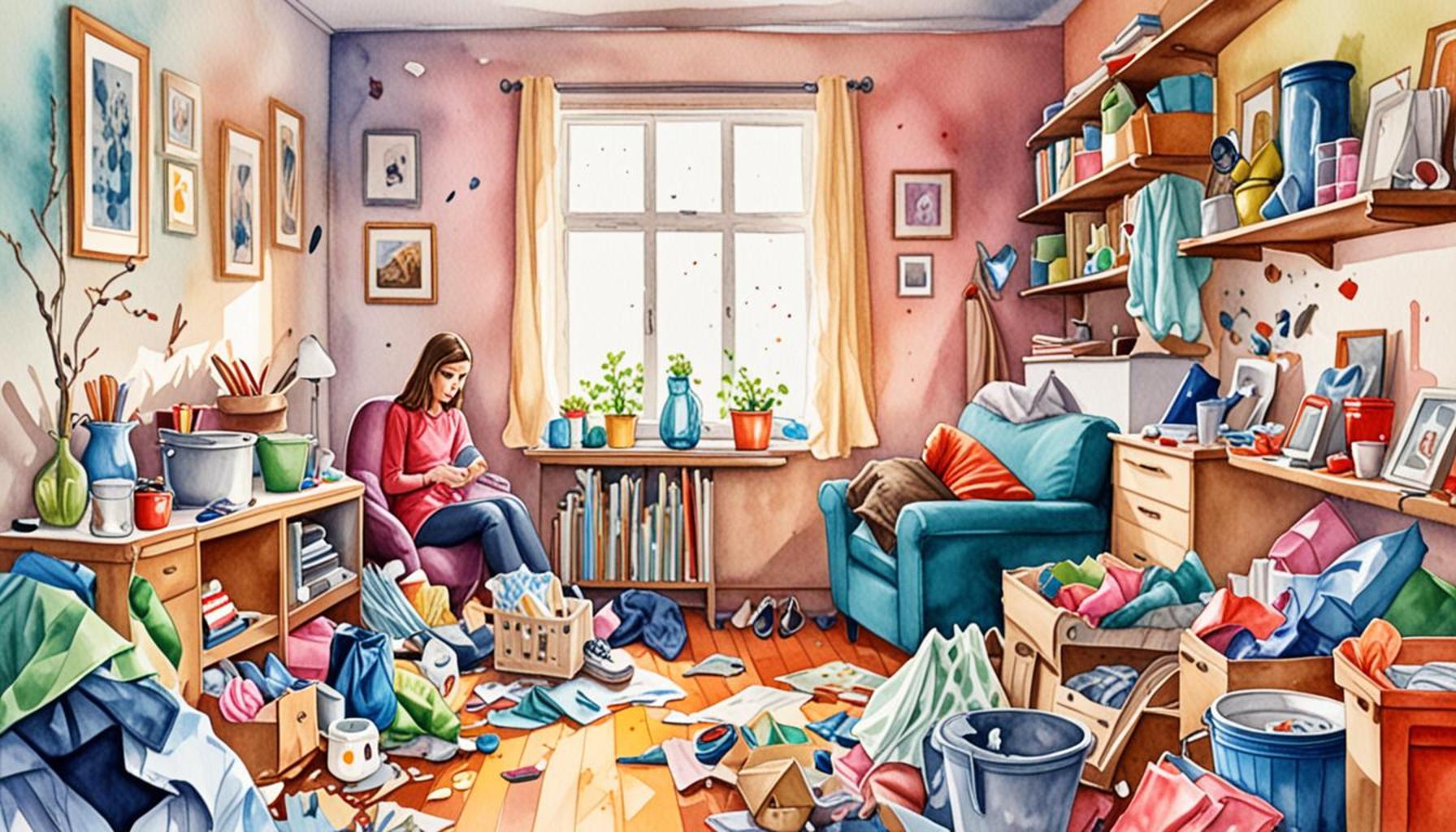
In a society where busy schedules and demanding lifestyles dominate, keeping an orderly home can seem like a daunting task. However, the implications of clutter extend far beyond visual disruption. Its presence can yield profound effects on family dynamics and the quality of relationships within the household.
Research has highlighted several ways in which clutter can adversely impact family life. For one, increased stress is a commonly reported consequence of a chaotic environment. According to a study published in the journal *Personality and Social Psychology Bulletin*, individuals exposed to clutter tend to experience higher levels of anxiety and overwhelming feelings, which can seep into family interactions and exacerbate conflicts.
Moreover, communication breakdowns are often a byproduct of disorder within the home. When family members are frustrated by their surroundings, even simple tasks can become sources of contention. For instance, a cluttered kitchen might lead to disputes over meal preparations, with members feeling disheartened by the disarray rather than enjoying quality time together. This kind of miscommunication can breed misunderstandings that spark further tension.
The effects of clutter also extend to decreased productivity. When space is overwhelmed with possessions, it can become increasingly difficult to focus on family activities, such as homework or group games. Research from the National Institute of Health indicates that environmental distractions can significantly impair cognitive performance. The more cluttered the space, the less likely family members are to collaborate effectively on shared tasks.
Beyond these logistical challenges, the emotional toll is undeniable. Families may grapple with feelings of overwhelm, finding it exhausting just to navigate through the clutter. This mental fatigue can result in tension and conflict over how to manage the household. Arguments may arise not just about the mess itself, but about the responsibilities associated with keeping the home organized.
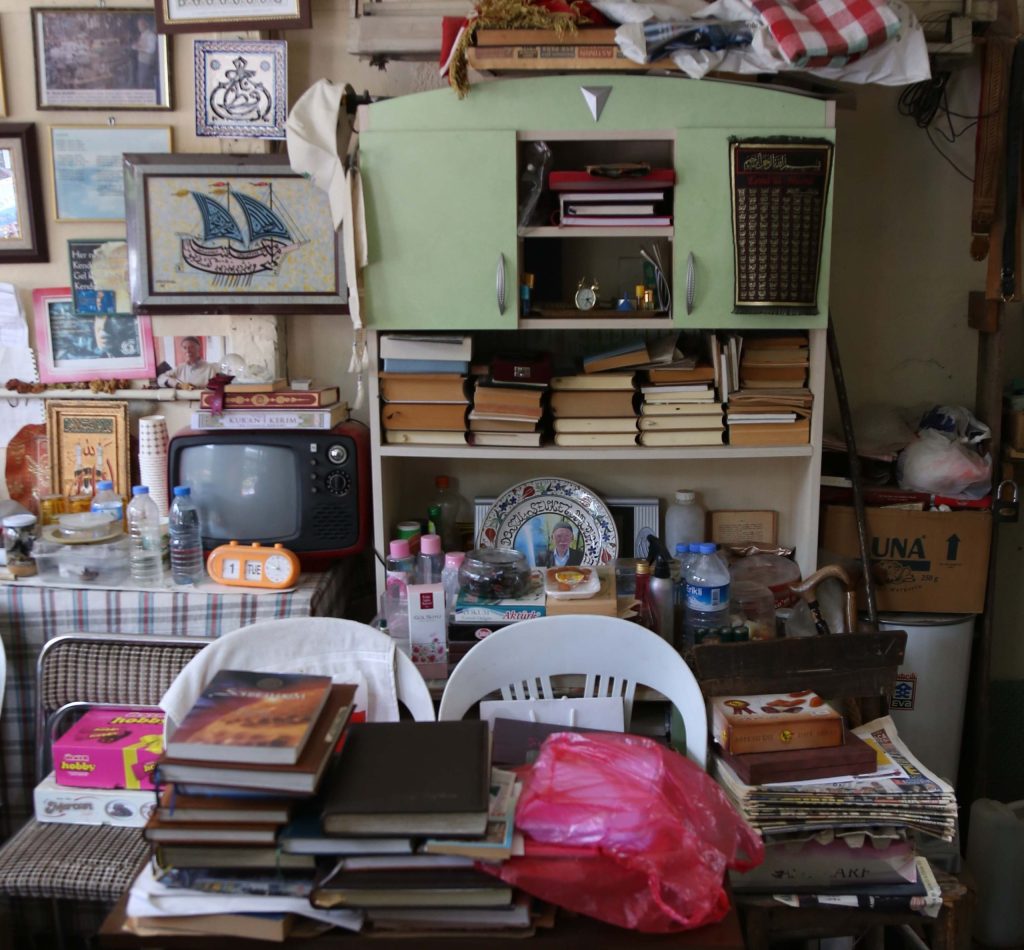
Furthermore, a messy environment can lead to a loss of connection among family members. Instead of engaging with one another, individuals might retreat to their personal spaces to escape the disarray. For example, children may spend more time in their rooms with electronic devices rather than interacting with siblings and parents, ultimately creating emotional distance.
Recognizing the impact of disorder on relationships is essential for families wishing to improve their living conditions. By identifying these dynamics, families can initiate constructive changes to foster a serene home environment that encourages connection and collaboration. Simple strategies, such as creating designated storage areas, setting regular decluttering sessions, and establishing clear household responsibilities, can lead to significant improvements in family harmony.
As families navigate the complexities of life, addressing clutter is not merely about aesthetics; it’s about nurturing relationships and fostering a supportive living space. The journey toward a decluttered home can be transformative, revealing newfound opportunities for bonding, communication, and shared joy.
DIVE DEEPER: Click here for insightful tips
Understanding the Impact of Clutter on Family Relationships
The presence of clutter in a household is often dismissed as a minor inconvenience, but its effects can resonate deeply within the family unit. Clutter manifests not only as a physical hindrance but serves as an emotional barrier that can strain relationships and cloud domestic dynamics. With the average American household possessing an ever-increasing number of items—estimated at over 300,000 items, including clothes, toys, and household goods—these physical distractions can contribute significantly to discord.
One of the most enlightening observations regarding clutter is its correlation with mental well-being. A study conducted by UCLA’s Center on Everyday Lives and Families found that women with cluttered homes exhibited higher levels of cortisol, the stress hormone. This elevated stress can permeate through everyday interactions, leading to shorter tempers and unresolved tensions. When parents grapple with their surroundings, it is likely that children pick up on this distress, affecting their behavior and mood.
Clutter as a Catalyst for Conflict
Conflict is often amplified in homes burdened by clutter. Many families report that household disagreements are disproportionately focused on the state of their living environment. Typical scenarios where clutter ignites arguments include:
- Disagreements Over Responsibilities: One family member may feel overwhelmed by the burden of tidying up, leading to resentment and blame.
- Disputes Over Shared Spaces: Clutter can turn common areas, like the living room or kitchen, into points of contention when personal spaces spill over with debris.
- Management of Time: Families may find themselves spending more time cleaning up than engaging in enjoyable activities, creating resentment towards household management.
Each of these triggers serves to highlight how clutter can dramatically alter family dynamics. As stress levels rise and communication becomes strained, the potential for misunderstandings and emotional outbursts increases. For instance, a messy living room filled with toys and discarded items can dilute the quality of family bonding moments as parents may focus their attention on cleaning rather than enjoying time with their children.
The Hidden Costs of Clutter
In addition to fostering conflict, clutter takes a toll on family functionality. Families struggling with disorganization often experience impaired functionality in various aspects of daily life. Research indicates that clutter can lead to:
- Reduced Focus: Distracted by chaos, family members may struggle to concentrate on essential tasks, from homework to household chores.
- Decreased Participation: A cluttered home can discourage family interactions, with members retreating to their individual spaces rather than engaging together.
- Distrust and Frustration: Clutter can exacerbate trust issues, particularly when family members feel that others are neglecting their responsibilities.
Understanding these hidden costs of clutter provides valuable insights for families aiming to cultivate an atmosphere of cooperation and respect within their homes. By recognizing how disorder creates both tension and dysfunction, families can begin to make conscious choices to restore harmony and communication.
The Impact of Clutter on Family Relationships
Clutter in the home often serves as a mirror reflecting the emotional state of its inhabitants. A household overwhelmed by items can become a source of tension and conflict. When family members disagree on the significance of possessions, arguments may arise over cleaning responsibilities or the need to declutter. This discord can create an environment fraught with stress and anxiety, negatively affecting relationships. For instance, one partner may find comfort in the memories attached to certain items, while another may see only chaos and disorder. The psychological implications of maintaining clutter can lead to feelings of frustration, resentment, and even depression.Moreover, the clutter’s presence often signals deeper issues within family dynamics. A disorganized space can symbolize a lack of communication or unresolved conflict among family members. Children may feel overwhelmed by their environment, impacting their ability to focus and thrive. This situation can lead to a cycle of disconnection where family members retreat into their own spaces, avoiding interaction rather than addressing the underlying issues.On the other hand, a decluttered home can foster a sense of peace and unity. It promotes a harmonious atmosphere, allowing families to communicate more openly and collaborate on maintaining their living spaces. The process of decluttering can even become a bonding activity, encouraging family members to work together towards a common goal, thus enhancing their collective emotional well-being.Additionally, studies suggest that a well-organized environment positively impacts mental health, leading to improved interaction among family members. When people feel more at ease in their surroundings, there is a noticeable increase in overall satisfaction with family life, which subsequently strengthens relationships and builds a supportive domestic atmosphere.
Understanding the Role of Clutter in Domestic Dynamics
Understanding how clutter affects domestic dynamics requires examining patterns of behavior and emotional attachments to belongings. Each family member may have a different relationship with their possessions, often influenced by personal experiences or upbringing. For example, a parent who grew up in a cluttered environment may unconsciously replicate that in their own home or strive to create an opposite space, ultimately affecting their children’s perceptions. Moreover, the presence of clutter can impact time management. Families find themselves spending countless hours navigating their disorganized spaces rather than engaging in enriching activities like family dinners or games. Time spent managing clutter can erode family time, contributing to feelings of isolation within the home. In essence, the relationship between clutter and family dynamics is multifaceted. Both the emotional toll of clutter and the benefits of a tidy home call for an understanding of how physical spaces interact with familial relationships. Through mindfulness in managing possessions and fostering open communication, families can create an environment that promotes connection and supports their collective health and happiness. Ultimately, addressing the role of clutter in family life opens the door to a more profound connection between physical space and emotional well-being, inviting families to explore new dynamics in their domestic relationships.
DISCOVER MORE: Click here to learn about the importance of simplified spaces
The Emotional Toll of Clutter on Family Members
Beyond the immediate impacts of clutter on physical spaces, the emotional repercussions on family members can be profound and long-lasting. Emotions like frustration, guilt, and anxiety often lurk below the surface of a disorganized environment, festering over time. For instance, a parent who feels overwhelmed by the disorder in the home may start expressing their dissatisfaction through irritation or critical comments, which can diminish self-esteem among children. This cycle of negativity leads to a nuanced emotional landscape where love and affection may be overshadowed by frustration and tension.
Clutter as a Source of Shame
Furthermore, the presence of clutter can bring about feelings of shame and inadequacy among family members. Children and teenagers, in particular, may feel embarrassed by their home when friends come over or during family gatherings. This societal pressure can lead to avoidance of social interactions, which diminishes opportunities for bonding and communication within the family. A study by the American Psychological Association revealed that young people living in disorganized environments reported feeling less confident in their social skills and displayed higher levels of anxiety during social interactions.
An Impediment to Communication
Clutter can act as a significant impediment to effective communication in family life. When the home environment is chaotic, it creates a backdrop for misunderstanding and miscommunication. Daily interactions may devolve into side conversations about cleaning, resulting in important discussions being sidelined. Family meetings intended for planning or conflict resolution may also get hijacked by clutter-related topics, ultimately preventing families from addressing underlying issues and concerns that require attention.
Moreover, communication styles can morph under the weight of clutter. For some families, the disorder may shift responses from one of constructive criticism to passive-aggressive comments that mask genuine feelings of frustration or helplessness. This can lead to a breakdown in trust and an inability to rely on one another for support, further complicating family dynamics.
Clutter’s Relationship with Mental Health
It’s essential to recognize how clutter can exacerbate existing mental health issues in family members. Individuals already struggling with anxiety or depression may find their symptoms intensified by a disorganized home environment. For instance, the presence of physical disorder can trigger overwhelming feelings of helplessness and despair. According to a report from the National Alliance on Mental Illness, individuals in cluttered households are more likely to experience increased sadness and decreased motivation, diminishing their capacity to engage positively with family members.
The Need for Clutter Management Strategies
Given these emotional and relational consequences, it becomes crucial for families to adopt effective clutter management strategies. Practical measures such as adopting a minimalist approach, decluttering regularly, and designating specific places for items can empower families to restore balance in their homes. Research suggests that families who actively engage in regular decluttering report enhanced emotional well-being and improved relationships. These strategies not only alleviate the physical burden of clutter but also foster an atmosphere of teamwork and cooperation.
Recognizing the emotional toll of clutter is the first step towards creating a harmonious home environment. By addressing the ties between disorder and relational dynamics, families can begin turning the tides in their favor, enhancing both connection and mental well-being. As families work together to mitigate the effects of clutter, their home can transform from a source of conflict to a sanctuary of support and love.
DIVE DEEPER: Click here to discover more about intentional living
Conclusion: Navigating the Clutter Conundrum
In summary, the impact of clutter on family life extends far beyond the physical disorder it creates. The emotional ramifications, including feelings of frustration, guilt, and shame, significantly affect family dynamics and relationships. As children and parents grapple with a chaotic environment, the unwelcome effects may manifest in communication breakdowns, heightened anxiety, and diminished social interactions. Rather than serving as a nurturing haven, the home becomes a complex web of tension and misunderstanding.
Addressing clutter is not merely an aesthetic concern; it is essential for fostering emotional health and promoting harmonious relationships within the family unit. Adopting proactive clutter management strategies can be transformative. Simple yet effective practices—such as creating designated spaces for belongings and encouraging regular decluttering sessions—invite participation from all family members, fostering a sense of teamwork and shared responsibility.
Moreover, the journey towards a decluttered home can be an opportunity for growth and bonding. The issues surrounding clutter can prompt deep discussions about values and priorities, driving families to invest in lasting solutions together. As research indicates, families who actively engage in creating organized spaces report higher levels of emotional well-being and strengthened relationships.
By understanding the profound role of clutter in shaping family dynamics, families can take intentional steps towards creating a supportive and loving environment. As they work to transform their homes, they not only alleviate the burdens of disorder but also cultivate an atmosphere where love, connection, and communication can thrive. Thus, understanding and managing clutter is a pivotal step towards unlocking a more fulfilling family life.