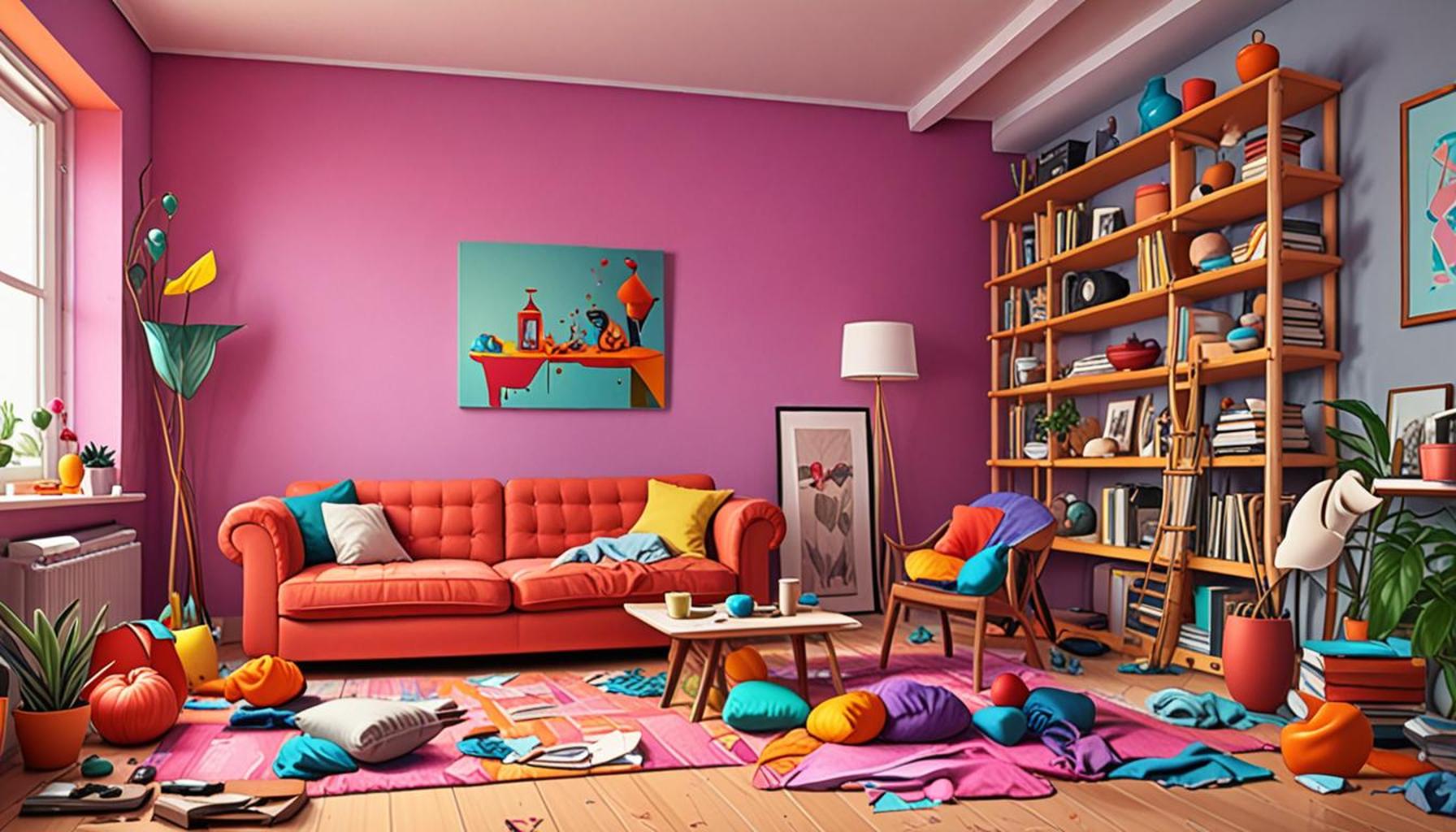
The Psychology of Detachment: How to Reduce Clutter to Improve Mental Well-Being

The Impact of Clutter on Mental Health
In an era where the pursuit of productivity and efficiency reigns supreme, the significance of our surroundings often goes unnoticed. The accumulation of physical clutter does not merely inhabit our living spaces; rather, it seeps into our psyche, creating an environment where stress and anxiety can thrive. Research has substantiated that a disordered environment can lead to a host of mental health issues, such as feelings of overwhelm and a diminished ability to concentrate. Grasping the concept of the psychology of detachment can pave the way for individuals to regain mental stability and a profound sense of tranquility.
The Benefits of Decluttering
When we take steps to reduce clutter, the benefits extend well beyond the physical act of cleaning. For many, decluttering serves as a catalyst for enhancing overall mental health and wellness. Let’s delve deeper into some of the key factors that relate clutter to psychological well-being:
- Visual Distraction: A cluttered space can create an overwhelming visual stimulus that can divert attention away from essential tasks. For instance, studies have shown that individuals working in tidy environments tend to perform better, as they can focus more directly on their tasks without constant distractions. A clean desk promotes productivity and helps maintain a clear train of thought.
- Emotional Attachments: Sentimental items may trigger nostalgia, leading to emotional burdens. For example, holding onto old toys or gifts might foster feelings of guilt or sadness when we consider letting them go. Understanding this emotional weight allows individuals to process these attachments, freeing them to make choices that support personal growth.
- Decision Fatigue: Surrounded by too many possessions can lead to decision fatigue—a psychological phenomenon where the quality of our decisions deteriorates after a long session of decision making. In simple terms, having to choose which shirt to wear from an overcrowded wardrobe can sap mental energy, leaving individuals feeling exhausted before their day even begins.
Creating Space for Growth
Engaging in the decluttering process can foster a transformative journey towards mental clarity and emotional growth. Many individuals report profound feelings of:
- A Sense of Accomplishment: Each item removed from one’s space symbolizes a victory over chaos, instilling a sense of achievement that can enhance overall motivation.
- Increased Clarity: With a streamlined environment, the mind can find clarity. As clutter diminishes, cognitive space expands, allowing individuals to engage more deeply with their thoughts and goals.
- Improved Space Utilization: A tidy space enhances functionality, creating room to breathe and think freely. It cultivates a sense of freedom that encourages creativity and exploration in both personal and professional aspects of life.
Conclusion
Exploring the psychology behind detachment encourages a deeper understanding of how our environment shapes our mental landscape. By recognizing the tangible effects of clutter on our mental well-being, we can reclaim control over our spaces and, consequently, our minds. This article aims to provide effective strategies for reducing clutter while enhancing mental wellness, guiding readers towards a more organized and harmonious life. Moving forward, each small step taken toward decluttering can lay the foundation for a more peaceful and fulfilling existence.
DISCOVER MORE: Click here to unlock the secrets of intentional living

Understanding the Psychology Behind Clutter
To grasp the psychology of detachment, it’s essential to consider how our environment influences our mental health. Clutter acts as a physical manifestation of our internal state, often mirroring our emotions and mental processes. In a society that values material possessions and fast-paced living, we tend to accumulate more than we truly need, leading to an overwhelming surplus that can stifle both our space and state of mind. Understanding the psychology behind clutter can help us identify not only the roots of our attachment to these items but also the emotional barriers that hinder our progress toward a more organized life.
The Roots of Attachment
Many individuals find it challenging to part with possessions, even when they serve little purpose. This attachment is often rooted in psychological factors, including:
- Nostalgia: Objects can serve as tangible reminders of past experiences, relationships, and phases of life. For instance, an old concert ticket or an inherited piece of furniture might evoke fond memories, making it difficult to discard these items despite their lack of utility in the present.
- Identity: Possessions can become entwined with our sense of self. We may collect items that reflect our interests or achievements, creating a false sense of identity that can hinder personal growth. The idea of reshaping oneself can be daunting when it involves letting go of cherished objects.
- Fear of Regret: Many individuals grapple with the fear of regretting their decision to let go of items. This leads to an ‘if I need it later’ mentality, contributing to a cycle of accumulation and a cluttered environment that can exacerbate anxiety.
Breaking the Cycle
To reduce clutter effectively, it’s crucial to confront these psychological barriers head-on. The process of decluttering is not merely about removing physical items; it’s about fostering a mindset that embraces detachment. Here are a few strategies to help break free from the emotional ties that hold us back:
- Practice Mindfulness: Take time to reflect on your current possessions and consider their true value in your life. Engaging in mindfulness practices can help create awareness around emotional attachments, making it easier to decide what to keep and what to let go.
- Set Practical Goals: Start small by tackling one area at a time. This could be a single drawer or a closet. Setting achievable goals allows individuals to see progress and build confidence, reducing the feeling of overwhelm that often accompanies the decluttering process.
- Embrace a “One In, One Out” Approach: Adopt a policy where for every new item acquired, another must be donated or discarded. This strategy fosters a continual cycle of detachment and helps maintain a clutter-free environment.
In recognizing the deep-seated psychology behind clutter and attachment, individuals can begin to navigate the complexities involved in the decluttering process. By embracing the concept of detachment, not only can we make informed decisions about our possessions, but we can also cultivate a healthier mental state that prioritizes clarity and well-being.
The Impact of Clutter on Mental Health
Clutter can significantly affect mental well-being, influencing a person’s mood, stress levels, and overall mental health. Numerous studies have shown that a disorganized environment can lead to feelings of anxiety, overwhelm, and tension. In particular, individuals may find it challenging to focus in a cluttered space, which can exacerbate the effects of stress in their lives. Understanding the psychological burden that clutter imposes is crucial for individuals seeking to improve their mental health.
Understanding the Psychology of Clutter
The concept of detachment is rooted in the psychological theory that our surroundings directly influence our mental state. When an area is filled with unnecessary items, it can create a sense of chaos, impair cognitive function, and hinder one’s ability to relax. Additionally, clutter often serves as a reminder of unfulfilled tasks or unresolved issues, causing persistent mental distractions. By embracing detachment, individuals can begin to liberate themselves from these psychological weights.
Benefits of Embracing Minimalism
Adopting a minimalistic approach can greatly enhance one’s quality of life. This philosophy promotes the idea of reducing distractions and focusing on what truly matters. Studies have shown that minimalism can lead to improved emotional clarity, allowing for more meaningful connections with oneself and others. Furthermore, a decluttered environment tends to create a sense of peace, promoting a healthier mindset. As individuals begin to understand the relational aspects of belongings, they can prioritize what adds value to their lives and emotionally detach from the rest.
| Category 1 | Category 2 |
|---|---|
| Clutter Effects | Affects focus and increases anxiety |
| Emotional Clarity | Fosters deeper personal connections |
Exploring this journey of detachment and minimalism can illuminate paths to peace. Understanding the psychology behind clutter allows individuals to make informed decisions about their possessions and embraces a lifestyle that promotes mental wellness.
DISCOVER MORE: Click here to learn how to align your space with your values
Embracing Minimalism: A Path to Clarity
As the clutter crisis intensifies in modern households, many are turning to minimalism as a viable solution to restore mental well-being and foster a sense of clarity. Minimalism, which advocates for a simple lifestyle and reduced materialism, aligns seamlessly with the principles of detachment and offers lasting benefits for mental health. By embracing minimalism, individuals can actively reshape their environments and redefine their relationships with possessions.
The Benefits of a Minimalist Lifestyle
Engaging in minimalism can yield several profound psychological advantages that promote well-being:
- Reduced Anxiety: A cluttered environment can often lead to heightened levels of stress and anxiety. Studies show that visual clutter can inhibit our ability to focus and process information. Minimalism, by contrast, promotes a clean and serene space that can enhance mental clarity, reducing feelings of overwhelm.
- Increased Freedom: By letting go of unnecessary possessions, individuals often report feeling liberated from the weight of their belongings. Minimalism encourages less attachment to physical items, allowing individuals to embrace experiences and relationships that enhance their quality of life. Psychological studies suggest that prioritizing experiences over possessions leads to greater long-term satisfaction.
- Enhanced Self-Awareness: As people begin to streamline their possessions, they often become more attuned to their true needs and values. This self-discovery journey fosters a deeper understanding of what genuinely matters, empowering individuals to cultivate a lifestyle that is more aligned with their goals and aspirations.
Strategies to Transition to Minimalism
For those seeking to adopt a minimalist approach, actionable strategies can ease the transition from a cluttered to a simplified lifestyle. Here are some effective methods:
- The 30-Day Minimalism Challenge: Inspired by the viral popularity of minimalism, this challenge encourages individuals to discard one item on the first day, two on the second, and so forth for 30 days. This incremental approach not only helps in decluttering but also builds momentum as individuals progress toward a more minimalistic lifestyle.
- Utilize the Four-Box Method: Label four boxes as ‘keep,’ ‘donate,’ ‘sell,’ and ‘trash.’ This method promotes decisiveness and physical engagement with the decluttering process, allowing one to evaluate each item’s place in their life while maintaining focus on the end goal of minimalism.
- Assess Your Living Spaces: Take a thorough inventory of all spaces in the home. Identify areas that contribute to mental clutter and target them for decluttering efforts. This practice highlights the psychological connection we maintain with various environments and can significantly enhance the experience of living in a more minimalistic space.
The psychological benefits of minimalism further echo the need for detachment from physical possessions. Through intentionality and deliberate action, individuals can regain control over their living spaces, leading to enhanced mental health and well-being. By understanding and embracing these concepts, one takes a pivotal step towards creating a life marked by clarity, purpose, and satisfaction.
DISCOVER MORE: Click here to streamline your workspace
Conclusion: Cultivating Clarity through Detachment
In our fast-paced, consumer-driven society, the act of detachment from physical possessions has emerged as an essential strategy for improving mental well-being. By acknowledging the psychological implications of clutter and embracing minimalism, individuals can reclaim their mental space, ultimately leading to a profound sense of freedom and clarity. As demonstrated throughout this article, reducing clutter is not merely about aesthetics; it serves as a gateway to heightened self-awareness, reduced anxiety, and a more intentional approach to life.
The journey towards a less cluttered life starts with incremental changes, such as the 30-Day Minimalism Challenge or the Four-Box Method. These practical strategies invite individuals to reflect on their attachments and make conscious decisions about what truly serves their well-being. Equally important is the realization that prioritizing experiences over possessions can significantly enrich our lives, establishing deeper connections with ourselves and others.
As we navigate the complexities of modern living, it is imperative to recognize the transformative power of detachment in improving mental health. A minimalist mindset can not only lead to a decluttered home but can also foster vast emotional landscapes that promote peace, purpose, and personal growth. By taking deliberate steps toward simplicity, individuals can cultivate a harmonious environment that nurtures mental clarity and overall happiness. Embracing the psychology of detachment is not just a trend; it’s a vital practice for a fulfilling life in an increasingly cluttered world.