Emotional Detachment Techniques: Overcoming Nostalgia to Reduce Clutter

Unpacking Clutter’s Emotional Weight
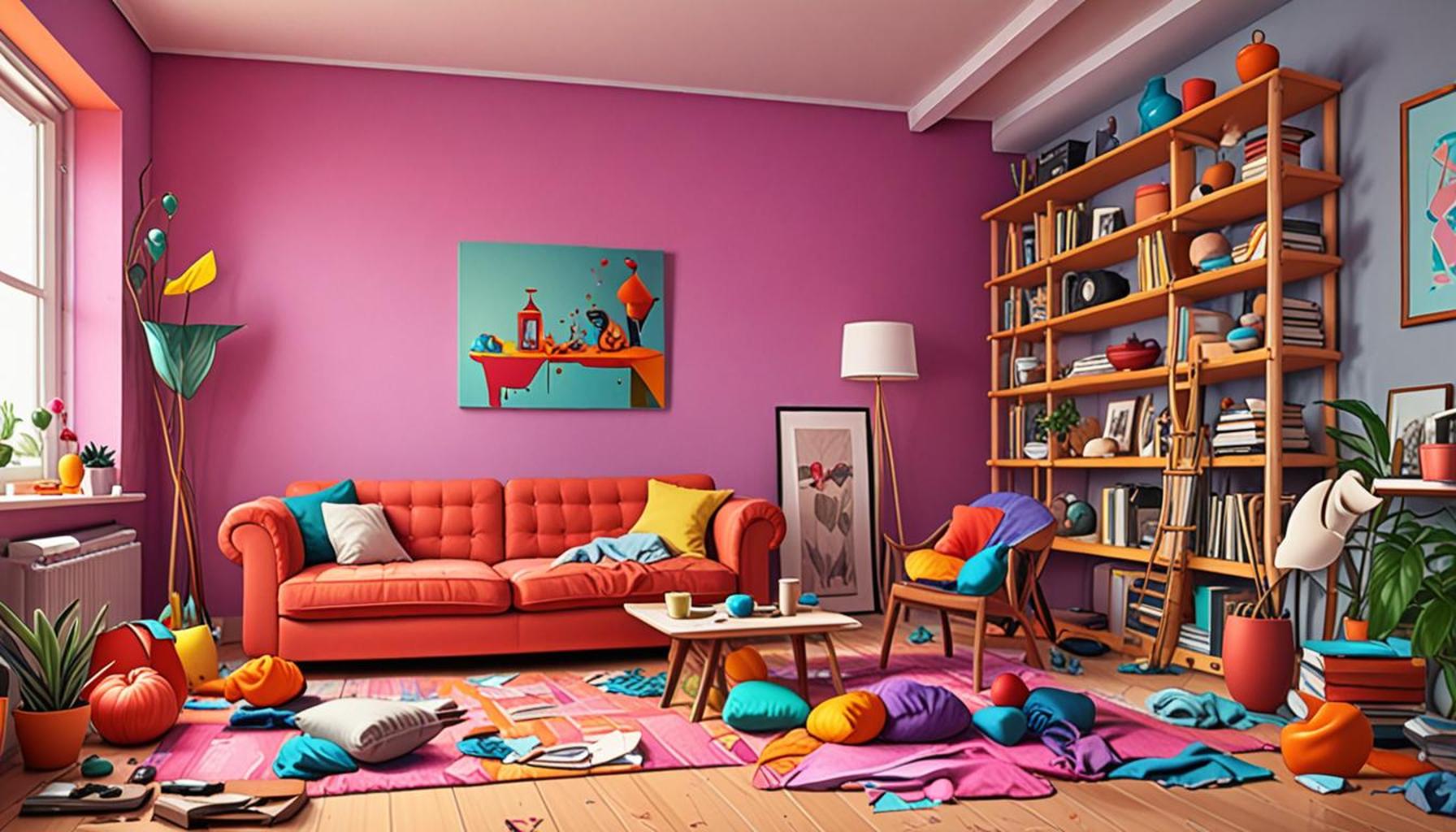
Clutter often reveals a tale of our lives, intricately woven with memories, emotions, and personal history. For many people, each object we retain is a significant marker of experiences that have shaped us. Whether it’s a faded concert ticket, a family heirloom, or a gift from a loved one, these items embody moments that can tug at the heartstrings. However, such emotional attachments can result in overwhelming spaces brimming with belongings that no longer serve a positive purpose in our lives.
Employing emotional detachment techniques can revolutionize the way we manage our possessions and, by extension, our emotional landscape. Diving deeper into these methods offers several key benefits:
- Decluttering the Mind: Emotional clutter often mirrors physical clutter. It’s essential to acknowledge that freeing yourself from the mental baggage can provide clarity—allowing you to make decisions without the burden of guilt or nostalgia weighing heavy in your heart.
- Enhancing Focus: A decluttered physical environment promotes mental peace. Numerous studies have shown that organizations with minimal distractions significantly enhance productivity and foster a better state of well-being among employees. The same principle applies at home. A tidy living space can create a calming atmosphere conducive to creativity and focus.
- Fostering Growth: When you choose to release the past, you create valuable space for new experiences and opportunities. For instance, letting go of clothes you no longer wear or books you’ve already read can make room for future discoveries that align more closely with your present self.
To navigate the intricacies of emotional attachment to sentimental items, one must employ strategic techniques that aid in discerning what truly holds value and what merely occupies space. Techniques such as the “Four-Box Method,” where items are sorted into categories (keep, donate, toss, and undecided), can be instrumental in this process.
It’s vital to understand that emotional detachment is not about obliterating memories. Instead, it’s about acknowledging the role these memories play in our lives and recognizing when it’s time to let go. As we learn to appreciate the past, we simultaneously pave the way for a more organized and enriching future.
As you embark on this transformative journey, pose questions that probe your emotional landscape: What items genuinely bring you joy? Which possessions contribute positively to your emotional well-being? With these inquiries in mind, you will be better equipped to sift through the layers of sentimentality and discover which belongings truly matter in your quest for an unencumbered life.
DISCOVER MORE: Click here to learn about mindful living
Identifying Emotional Attachments
Before diving into the practical techniques for emotional detachment, it is crucial to recognize the emotional attachments that often tie us to specific items. Each trinket or piece of clothing we hold onto carries a story—whether it was a gift from a loved one, an award recognizing a past achievement, or a souvenir from a memorable trip. Acknowledging these connections is the first step in understanding why we struggle with nostalgia and clutter.
Psychologists indicate that our memories are influenced by the emotional significance we assign to objects. This phenomenon is especially pronounced in the United States, where consumer culture often places sentimentality on physical items, leading many to retain belongings that no longer serve a purpose in our current lives. To unravel these attachments, consider the following approaches:
- Reflect on Memories: Examine the feelings associated with each item. Does it bring you joy, or does it summon regret or sorrow? Taking time to think about this can help clarify whether the memory is one that enhances your life or simply weighs it down.
- Set a Time Limit: Allow yourself a specific timeframe to reflect on certain items. For instance, when decluttering your closet, give yourself five minutes to consider a particular dress before making a decision. This method curbs the tendency to ruminate on nostalgia and encourages more immediate decision-making.
- Document Instead of Retaining: For particularly significant items, consider keeping a photograph or journal entry describing the memory attached to it. This allows you to cherish the memory while freeing up physical space in your home.
Mindful decision-making is essential in this process. Focus on evaluating the purpose and functionality of each object. Ask yourself: “Does this item serve a current need or bring value to my life today?” Shifting your mindset from preserving the past to embracing the present can mitigate the influences of nostalgia.
It’s also worth noting that emotional detachment doesn’t happen overnight. This is a gradual process that requires patience, self-compassion, and practice. Engaging in conversations with others who have successfully navigated this journey can offer fresh perspectives and enhance your understanding of letting go.
As you cultivate emotional detachment, consider incorporating elements of gratitude into your decluttering efforts. Approaching the process with appreciation not only honors the memories but also instills a sense of closure. Gratitude can transform the decluttering process from a burdensome task into an empowering experience, helping you to pave the way for a more organized and fulfilling life.
| Advantages | Details |
|---|---|
| Clarity in Decision-Making | By practicing emotional detachment, individuals can better assess the actual value of possessions instead of being swayed by memories. |
| Reduced Overwhelm | Overcoming nostalgia helps in simplifying one’s living space, leading to a tranquil environment and less mental clutter. |
| Enhanced Mental Well-Being | Applying emotional detachment techniques fosters greater peace of mind as individuals learn to let go of material excess tied to emotional baggage. |
| Boosted Productivity | A decluttered space allows for improved focus and productivity, enabling individuals to channel their energies into more meaningful activities. |
Emotional detachment is not just about physically letting go of items; it encompasses a psychological shift that empowers individuals to step back and view their belongings through a different lens. This mindset fosters an environment that encourages clarity and reduces the pull of nostalgia that often leads to clutter. Through adopting these techniques, one can not only embrace minimalism but also pave the way for enhanced emotional resilience. Thus, understanding the interplay between nostalgia and emotional ties is crucial for anyone looking to reclaim their space—and peace of mind. Transitioning towards a more streamlined existence can inspire creativity and critical reflection, leading to a more fulfilling life overall.
DIVE DEEPER: Click here to discover the connection between minimalism and mental well-being</
Practical Techniques for Emotional Detachment
Having identified emotional attachments, it’s essential to explore practical techniques that facilitate emotional detachment and promote a decluttered living space. These methods are designed to profoundly reshape our relationship with possessions, shifting from a focus on nostalgia to an embrace of the present.
One effective strategy is the “One In, One Out” rule. For every new item that enters your home, make it a practice to remove one existing item. This method inherently encourages mindfulness about what you own, leading to a more intentional selection process. It’s a simple yet powerful tactic that keeps clutter at bay, maintaining a clear understanding of your possessions.
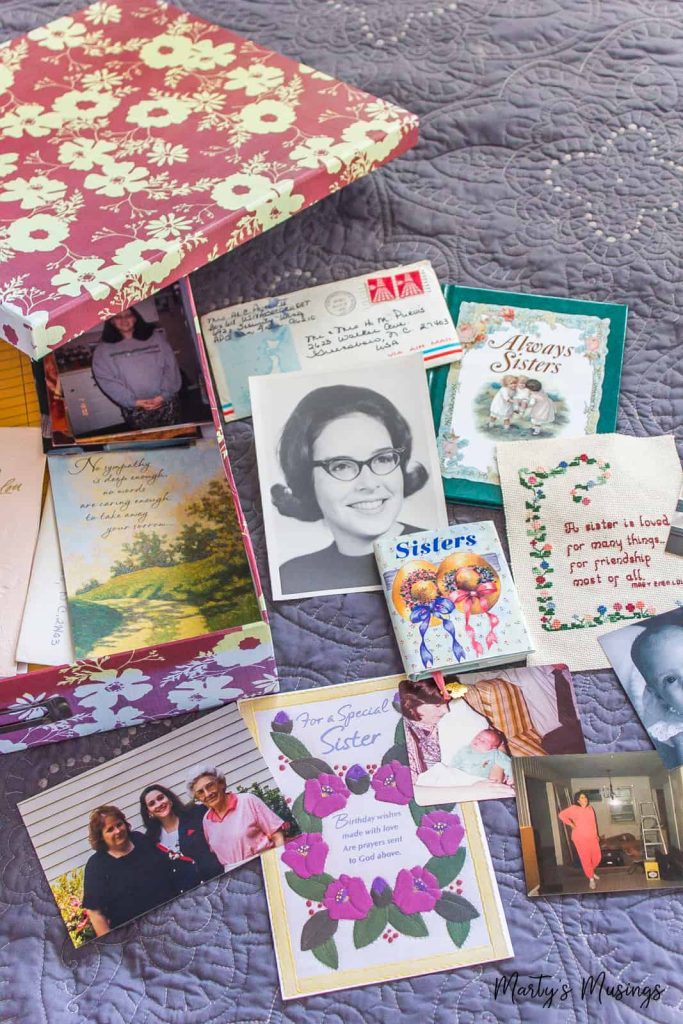
Another significant approach is to establish clear emotional boundaries. When faced with sentimental items, consider designating a specific place for things you choose to keep—perhaps a memory box limited to a certain size. This insight allows you to honor your memories without being overwhelmed by physical items. Additionally, understanding that it’s perfectly acceptable to cherish a beautiful memory without allowing it to consume your space alleviates the guilt of letting go.
- Engage in Group Decluttering: Invite friends or family members for a decluttering day. Having a supportive network allows for easier decision-making, as individuals can provide perspective and encouragement, thus softening the emotional weight of the process.
- Create a Donation Plan: Knowing that your items will be given a second life can ease the emotional burden of parting with them. Research local charities or organizations that resonate with you, and earmark your decluttered items for donation to those causes.
Setting specific goals is another effective way to manage emotional detachment. Instead of a vague intention to declutter, provide yourself with tangible objectives, such as decluttering one room per month. This focused approach creates a sense of accomplishment and minimizes the overwhelming feeling often associated with tackling too much at once.
Moreover, visualizing your space without the clutter can facilitate emotional detachment. Spend a moment closing your eyes and picturing how your space could look free of items that no longer serve you. This mental image acts as motivation, creating a contrast with the reality of clutter, solidifying your resolve to take action.
As you continue to navigate this emotional detachment journey, remember the significance of self-care. Practicing mindfulness or engaging in hobbies that bring joy can help balance the emotional turbulence accompanying the decluttering process. Allowing time to reflect on your emotional landscape strengthens your ability to manage attachments and ultimately leads to a more harmonious relationship with your belongings.
In a consumer-driven society, developing a minimalist mindset can significantly aid in reducing clutter and overcoming nostalgia. Embracing minimalism fosters a greater appreciation for what you have, rather than what you lack, shifting focus from accumulation to contentment. The modern trend of minimalism resonates deeply with individuals searching for a more fulfilling way of living, and provides a noteworthy alternative to the excessive sentimentalism that often accompanies belongings.
DISCOVER MORE: Click here for effective decluttering tips
Conclusion
In a world where emotional attachments to material possessions often lead to overwhelming clutter, mastering emotional detachment techniques can be both liberating and transformative. By consciously shifting our focus from nostalgia to the present, we can cultivate a healthier relationship with our belongings. The strategies outlined—from employing the “One In, One Out” rule to engaging in group decluttering sessions—provide practical tools to systematically reduce clutter while respecting our memories.
As we navigate this journey, it’s vital to remember that letting go does not equate to forgetting. Setting emotional boundaries through memory boxes allows cherished memories to coexist with our desire for a simplified space. Moreover, visualizing a clutter-free environment serves as a motivational catalyst, encouraging decisive action in our decluttering efforts.
Additionally, embracing a minimalist mindset can profoundly reshape our experience with consumption, promoting contentment and appreciation for the items that truly matter. Rather than succumbing to the pressures of a consumer-driven society, individuals can find solace in the idea that true fulfillment lies not in accumulation but in the meaningful use of space.
Ultimately, through emotional detachment, we can reclaim our homes and our lives, finding peace in the present while celebrating the past. Take the first step today by exploring these techniques to not only reduce clutter but also to revitalize your living space and emotional well-being.