Mindful Living and the Wealth of Experiences: How Mindfulness Can Replace Materialism
Embracing a New Perspective
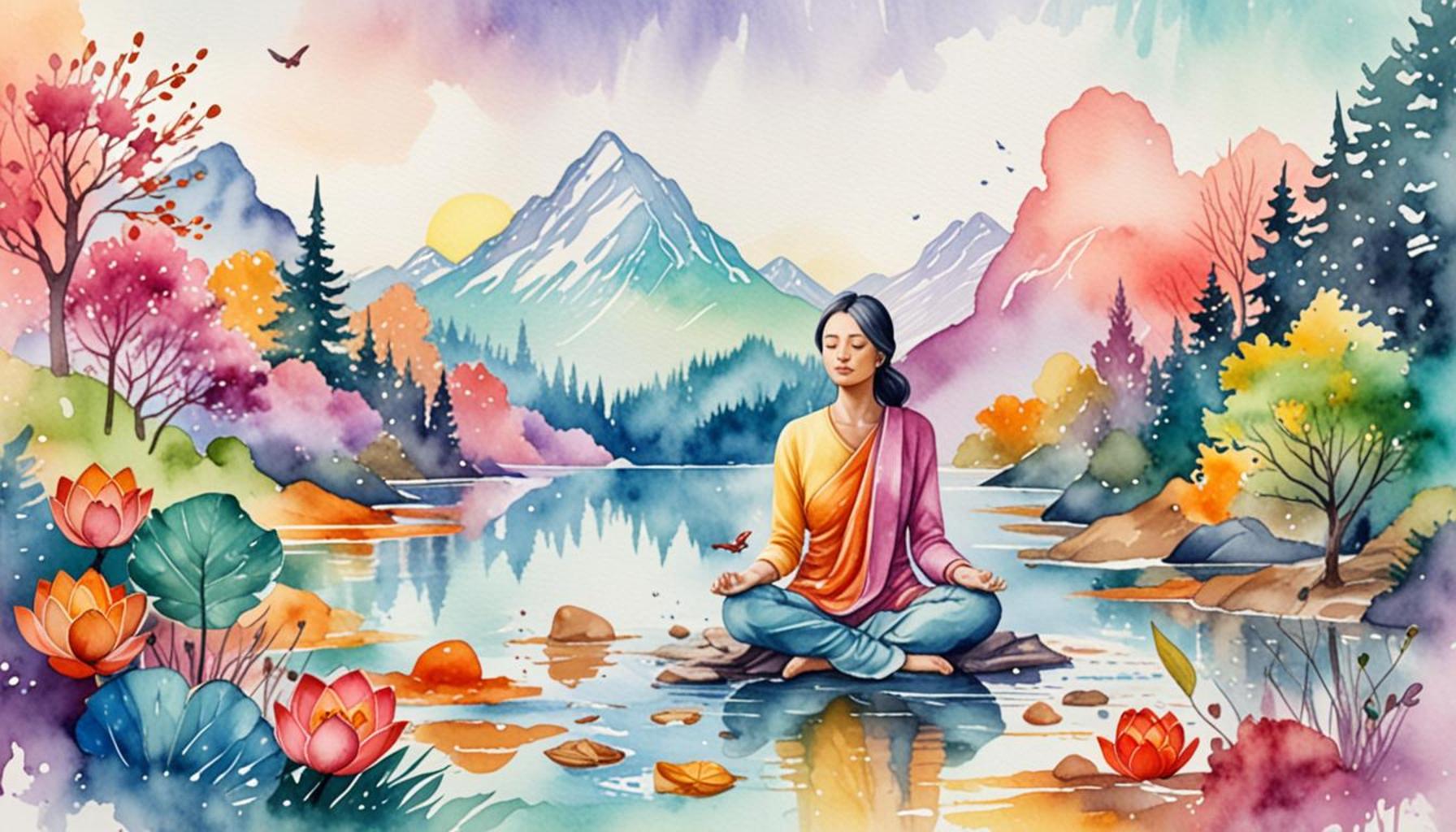
In a world increasingly dominated by consumerism, the quest for happiness often leads down the winding road of material acquisition. Yet, many are discovering an alternative path—one illuminated by the principles of mindful living. This philosophy invites us to shift our focus from possessions to meaningful experiences, fostering a deeper connection with ourselves and others.
What is Mindful Living?
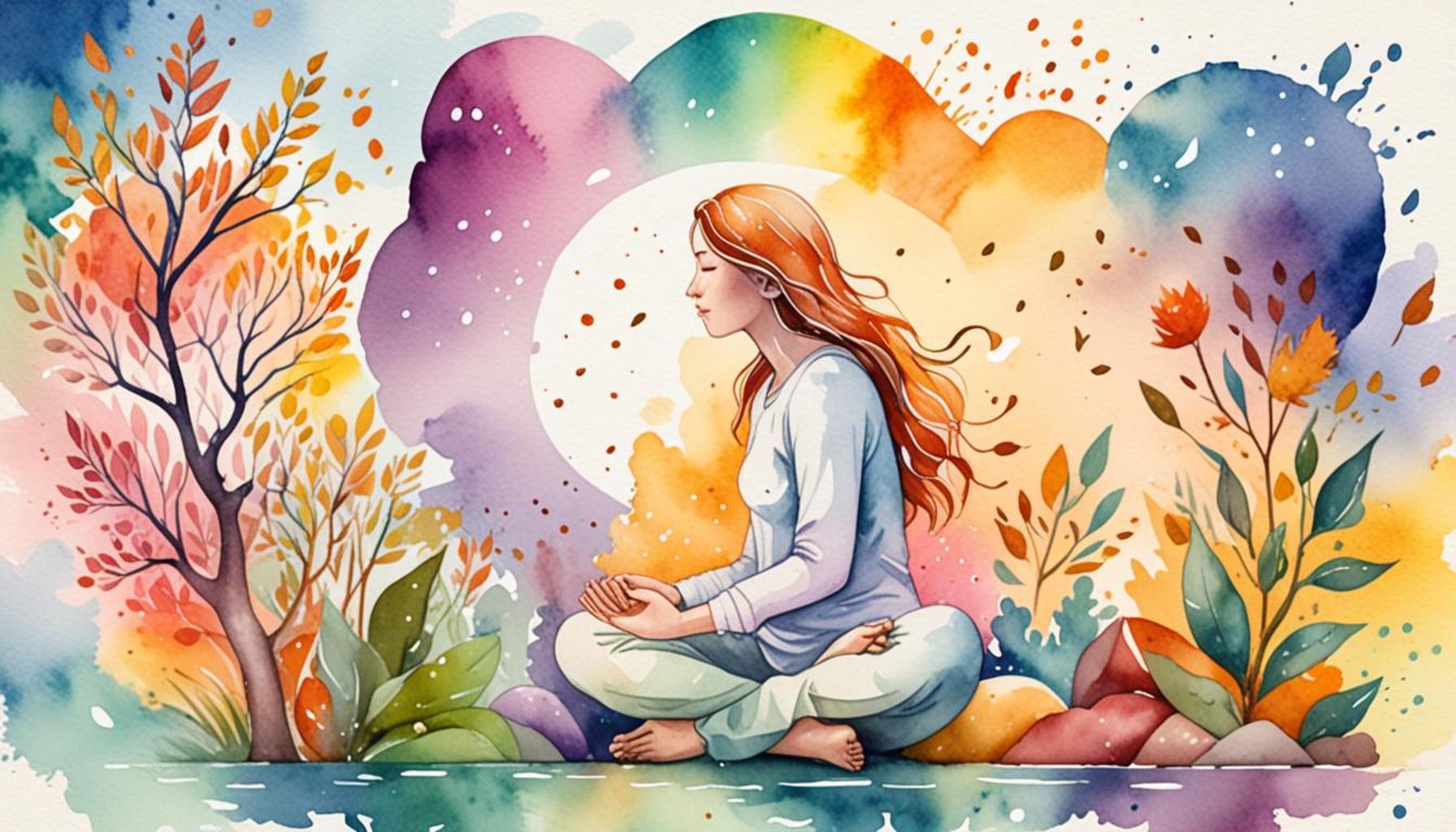
Mindful living is the practice of being present, appreciating the moment, and making conscious choices. It emphasizes:
- Awareness: Recognizing thoughts and feelings without judgment. This could involve simply noticing when you feel stressed and taking a moment to breathe deeply, rather than reacting impulsively.
- Gratitude: Finding joy in the everyday. For example, taking a moment each day to reflect on what brings you joy, such as a warm cup of coffee or a beautiful sunset, can cultivate a more positive outlook.
- Connection: Building relationships through shared experiences. Activities like going for a hike, having dinner with friends, or participating in community events can strengthen bonds and enhance mutual understanding.
A Shift from Materialism
As we embrace mindfulness, we can begin to see the wealth of experiences that truly enrich our lives. Research suggests that:
- Spending time with loved ones fosters deeper emotional bonds. Engaging in shared activities, such as family game nights or group sports, can create lasting memories.
- Engaging in new activities ignites creativity and joy. Whether it’s taking up painting, joining a local cooking class, or going on a spontaneous road trip, these experiences can awaken lost passions and creativity.
- Practicing gratitude improves mental health and overall satisfaction. Studies show that individuals who regularly express thanks report higher levels of happiness and lower levels of depression.
This shift not only contributes to personal well-being but also encourages a more sustainable approach to living in a resource-constrained world. As we prioritize experiences over items, we naturally become more conscious of our impact on the environment and align ourselves with practices that promote sustainability.
The journey towards mindful living is more than a trend; it is a transformative way to redefine what wealth truly means. Instead of measuring success by the volume of possessions, we begin to assess it through the richness of our experiences and the strength of our relationships. Embracing this new perspective challenges us to live not just for ourselves, but for the greater community and the world around us, creating a ripple effect of positive change that has the potential to rejuvenate our society.
DISCOVER MORE: Click here to boost your daily productivity
Unlocking the Value of Experiences
As we embark on the journey of mindful living, it becomes crucial to recognize how experiences shape our sense of fulfillment and well-being. In a consumer-driven society, where a new gadget or trending outfit often promises happiness, mindfulness invites us to look deeper. Instead of seeking joy through material possessions, we are encouraged to immerse ourselves in experiences that enrich our lives. This shift does not merely improve our quality of life; it also enhances our emotional and mental resilience.
The Science Behind Experience Over Possessions
Numerous studies support the idea that experiences provide more lasting happiness than material goods. Firstly, when we invest in experiences, we often relish the anticipation of the event, creating joy before it even occurs. Here are some compelling reasons to prioritize experiences:
- Long-Lasting Memories: Unlike material items that may fade into the background of daily life, experiences often remain vivid in our memories. A family vacation at the Grand Canyon or a spontaneous weekend getaway can offer cherished stories that are recounted for years.
- Sparking Connection: Engaging in activities with friends or family fosters a sense of belonging and connection. Shared experiences, such as attending concerts or cooking together, not only create wonderful memories but also strengthen interpersonal relationships.
- Personal Growth: Engaging in new activities challenges us and encourages personal development. Whether it’s learning to surf at a California beach or taking a pottery class in a local art studio, these experiences push us to step beyond our comfort zones.
Furthermore, research shows that individuals who prioritize experiences over possessions report higher levels of life satisfaction and lower rates of depression. This trend is especially prevalent among younger generations. For example, millennials and Gen Z prioritizing travel, outdoor adventures, and cultural experiences over accumulating consumer goods signify a cultural shift towards valuing experiences more than materialism.
This growing inclination towards experiential living also speaks volumes about our evolving awareness of sustainability. By minimizing our focus on material wealth, we inherently reduce our consumption and environmental footprint. Mindfulness cultivates a consciousness about the resources we use, fostering a more responsible approach to living that aligns with a sustainable future.
Ultimately, the practice of mindful living encourages us to rekindle our appreciation for life’s simple pleasures—be it savoring homemade meals, engaging in meaningful conversations, or exploring nature. By substituting material desires with experience-rich activities, we not only enrich our own lives but also positively impact our communities and the world around us. This transformative shift from materialism to mindful living not only enriches our personal narratives but also redefines what it means to lead a fulfilling life.
| Aspect of Mindful Living | Key Benefits |
|---|---|
| Enhanced Well-being | Mindfulness fosters emotional resilience, helping individuals to navigate challenges with a clearer perspective. |
| Connection with Nature | Engaging mindfully with nature promotes a deeper appreciation for the environment, countering the allure of consumerism. |
| Presence in Daily Activities | Being present allows individuals to savor everyday moments, leading to richer experiences beyond material possessions. |
| Cultivating Gratitude | Practicing gratitude helps shift focus from what is lacking to appreciating what one has, easing the desire for constant acquisition. |
Mindful living aligns closely with the concepts of emotional and mental wellness. Individuals who embrace mindfulness often report experiencing a heightened sense of purpose and vitality. Exploring these dimensions reveals how mindfulness can essentially redefine personal values, steering away from mere accumulation and towards enriching life experiences.Furthermore, incorporating mindfulness into daily routines can create a profound sense of fulfillment. Techniques such as meditation, conscious breathing, and intentional disconnecting from technology are just a few practices that can enhance one’s quality of life. Engaging in these activities not only improves emotional health but also strengthens relationships, allowing for deeper connections with others.Another significant advantage of mindfulness is its role in promoting self-awareness. As individuals become more in tune with their thoughts and feelings, they are likely to experience a shift in their perspective on consumption. This transformative journey encourages people to reflect on their needs versus their wants, ultimately leading to a more authentic and less materialistic lifestyle. By fostering such awareness, mindfulness serves as a valuable antidote to the oftentimes overwhelming pressure of consumer culture.
DIVE DEEPER: Click here to uncover the secrets of mindful living
Embracing Mindfulness for a Fulfilling Lifestyle
As we delve deeper into the realm of mindfulness and its potential to enrich our lives, we uncover methods to cultivate a mindset that values experiences. This journey involves fostering a practice that encourages us to appreciate the here and now, making each moment more significant. Mindfulness is not merely about living in the present; it is also about actively engaging with our surroundings and acknowledging what truly brings us joy and fulfillment.
Transformative Practices for Mindful Living
To embrace mindful living effectively, we can implement several transformative practices that prioritize experiences over material goods:
- Gratitude Journaling: Taking a moment each day to jot down things we are grateful for can shift our focus from what we lack to the richness of our experiences. Studies have shown that expressing gratitude positively impacts mental health, leading to greater satisfaction and happiness.
- Mindful Consumption: This concept involves being conscious about what we invest in. Instead of impulse buying, we can ask ourselves whether a purchase will truly enhance our lives or if the money would be better spent on a memorable experience, such as workshops, events, or travel.
- Digital Detox: In a world dominated by technology, disconnecting from screens, even for a short period, can help us reconnect with the surrounding world. Engaging with nature, spending quality time with loved ones, or taking part in community events fosters richer experiences that are often lost amidst our daily distractions.
Furthermore, embracing mindful living aligns closely with the practices of communities across the United States that prioritize well-being over consumption. For instance, cities like Portland, Oregon, have gained notoriety for their “experience over things” culture, with numerous local festivals, art walks, and communal events encouraging social interactions and a focus on community engagement.
In addition, various organizations and movements are championing the concept of experience-rich living. Programs like “30 Days of Mindfulness” encourage participants to engage in daily activities that promote meaningful living through shared experiences, from outdoor excursions to art classes. Participants often report a profound sense of community and belonging, revealing how prioritizing experiences can lead to a more interconnected society.
The rise of experience-based gifting further exemplifies a shift towards mindfulness. Instead of material gifts, individuals now opt for giving experiences—concert tickets, cooking classes, or adventure outings—as presents. These gifts not only cultivate memorable moments but also strengthen bonds between individuals, showcasing a collective move towards valuing experiences over physical possessions.
A noteworthy element of mindful living is its potential to influence our broader societal and environmental landscapes. By embracing experiences rather than accumulating goods, we contribute to a sustainable culture that values environmental health and communal well-being. This approach directly challenges consumerism, urging us to reconsider what it means to lead a successful and fulfilling life in a world increasingly defined by self-worth tied to material possessions. Through mindfulness, we can redefine success to encapsulate rich experiences and deep connections that nourish the soul.
DISCOVER MORE: Click here for mindful living strategies
Conclusion: Reimagining Success through Mindfulness
In a fast-paced world where material possessions often dictate our sense of achievement, mindful living emerges as a transformative approach that fosters a deeper connection to the present and enriches our lives. By shifting our focus from accumulating things to gathering experiences, we unlock the secrets to true fulfillment. Practices such as gratitude journaling and mindful consumption encourage us to savor life’s moments, while stepping away from digital distractions allows us to forge meaningful relationships within our communities.
The movement towards prioritizing experiences over possessions is gaining momentum across various American cities, illustrating a profound cultural shift. This trend reflects a desire not only for personal well-being but also for sustainable living that resonates with the growing consciousness about environmental and social health. As we cultivate a mindset centered on the wealth of experiences, we can redefine success, moving away from consumerism towards a life rich in meaningful connections and personal growth.
As we embrace mindfulness, we foster not only our individual well-being but also contribute to a collective narrative that values connections and experiences over material gains. The journey toward mindful living is one that promises not just personal enrichment, but also encourages a collective movement towards a more compassionate, interconnected society. In doing so, we not only liberate ourselves from the chains of materialism but also empower others to seek fulfillment in the simple joys of life. As we reflect on our priorities, let us remember that the true treasures lie not in what we possess, but in the memories and moments we create together.