
The Effect of Mental Disorder: How Minimalism Helps Clear the Mind and Increase Productivity
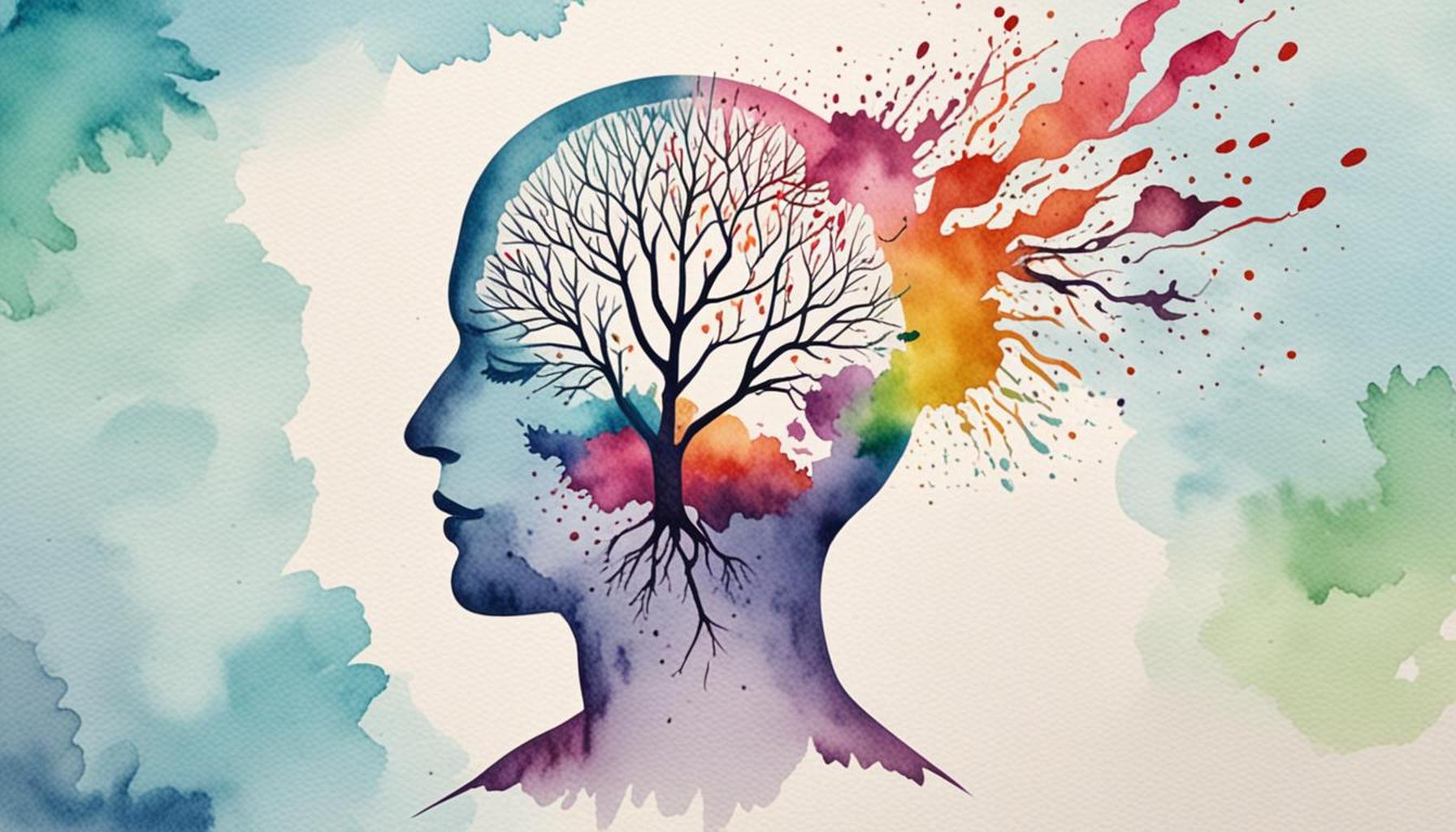
The Impact of Minimalism on Mental Well-Being
Mental disorders affect millions of Americans, influencing not only their emotional health but also their daily routines and productivity. Conditions such as anxiety, depression, and Attention Deficit Hyperactivity Disorder (ADHD) are becoming increasingly common in today’s fast-paced world. As these challenges rise, the search for effective coping strategies continues, leading many to explore the concept of minimalism. This lifestyle encourages individuals to pare down both their physical belongings and mental distractions to foster a clearer mind and enhanced focus.
One of the primary benefits of minimalism is its ability to promote enhanced focus. In our cluttered environments, distractions are plentiful, from overflowing desk spaces to digital notifications that steal our attention. By intentionally eliminating these distractions, individuals can direct their energy toward meaningful tasks and projects, resulting in heightened productivity. For example, someone suffering from ADHD may find that a cleaner workspace alleviates the overwhelming sensory input that often hampers their ability to concentrate.
In addition to better focus, minimalism encourages improved decision making. The paradox of choice suggests that greater options can lead to paralysis instead of empowerment, a common experience for those grappling with anxiety. By simplifying one’s choices—be it in wardrobe selections, home decor, or even daily routines—individuals can make decisions more efficiently and confidently. This streamlined approach can be life-changing; for instance, a busy parent may feel relief from the daily stress of getting children ready by utilizing a “capsule wardrobe,” consisting of a few versatile outfits.
Additionally, embracing minimalism can lead to significantly better mental health. Clutter – both physical and mental – often translates to feelings of overwhelm and stress. Research indicates that an organized environment can cultivate a sense of control, thereby reducing anxiety levels. Spaces that are aesthetically pleasing and orderly can have a profound effect on our emotional state, providing a sanctuary for relaxation and creativity. This is particularly true in bustling cities like New York or Los Angeles, where the hustle and bustle can exacerbate feelings of anxiety and overwhelm.
As we continue to explore the benefits of minimalism, it’s important to recognize its potential impact on overall mental wellness. In an era filled with incessant distractions from technology and the demands of modern life, adopting a minimalist mindset may not only declutter our physical spaces but also clear our minds for greater achievements. By focusing on what truly matters, individuals can experience transformative changes in both their productivity and wellbeing.
Join us as we delve deeper into how embracing minimalism can reshape your mental landscape, providing tools for a more fulfilling and productive life.
DISCOVER MORE: Click here to enhance your productivity
Minimalism: A Response to Mental Clutter
The connection between mental health disorders and environmental stressors cannot be overlooked. As individuals pursue fulfillment in a society that often glorifies excess, many find themselves weighed down by not only their possessions but also their mental baggage. This is where minimalism steps in as a potential remedy. By adopting a minimalist lifestyle, individuals can create an environment that is conducive to both emotional balance and productivity.
Minimalism provides a structured way to tackle mental clutter. A study published by the Psychology Today Journal indicates that individuals who engage in decluttering activities report lower levels of stress and improved emotional resilience. By systematically eliminating unnecessary possessions and limiting distractions, one can create a serene physical space that fosters clearer thinking. The psychological principle behind this is straightforward: a clutter-free environment helps minimize cognitive overload, making way for enhanced mental clarity.
Consider the following strategies that emphasize how minimalism can be employed to benefit mental well-being and productivity:
- Decluttering Regularly: Setting aside time to regularly declutter areas of your home or workspace can significantly reduce feelings of overwhelm.
- Mindful Consumption: Practicing mindfulness when it comes to acquiring new items. Ask yourself: Do I need this? Will it add value to my life?
- Creating Designated Spaces: Assigning specific areas for various tasks can help you stay organized and minimize distractions.
- Embracing a ‘One In, One Out’ Rule: For every new item you bring into your space, consider removing an old item. This practice keeps clutter at bay.
Through these practices, individuals can cultivate an atmosphere that encourages focus and productivity. A clean environment, combined with a clear mind, can greatly enhance the way we undertake daily tasks. Whether it’s working from home or managing family responsibilities, creating a streamlined and organized setup allows for enhanced efficiency and heightened creativity.
Moreover, the mental space created through minimalism can pave the way for improved emotional resilience. Individuals dealing with conditions like depression may find that decreasing external chaos allows them to process their emotions more effectively. By focusing on fewer things, they can develop deeper connections with the people and activities that genuinely matter, resulting in a more fulfilling life experience.
As we unpack the intricacies of minimalism’s role in mental health, it becomes evident that the approach goes beyond mere aesthetics. It dives into the core of our psychological well-being, making it a valuable strategy for those grappling with mental disorders.
The Impact of Minimalism on Mental Clarity
In our increasingly cluttered world, both mentally and physically, the principles of minimalism emerge as potent tools for enhancing mental clarity. Research shows that too much visual and auditory stimuli can overwhelm our cognitive processes, leading to difficulties in focus and decision-making. By adopting a minimalist lifestyle, individuals can significantly reduce this mental noise. Embracing minimalism involves more than just decluttering physical spaces; it extends to simplifying thoughts, tasks, and commitments, allowing the mind to become less distracted and more focused.
Enhancing Productivity through Simplicity
Minimalism can be a game-changer in boosting productivity. When individuals prioritize what truly matters, they free up time and mental energy that can be redirected toward high-value tasks. For instance, creating a clean and organized workspace can naturally encourage concentration and streamline workflows. Moreover, the principle of intentionality in minimalist practices leads to better planning and prioritization of tasks. This approach mitigates the overwhelming feelings often associated with multitasking and deadlines, thus fostering a more productive and less stressful work environment.
Emotional Benefits of a Minimalist Approach
Adopting minimalism can also have significant emotional benefits. A simplified environment cultivates a sense of peace and control, which is particularly beneficial for individuals experiencing mental health challenges. Research indicates that individuals who engage in minimalism often report reduced anxiety levels and improved mood stability. This is likely because minimalism encourages individuals to engage in reflective practices, such as journaling or mindfulness—activities that promote emotional well-being and self-awareness, further solidifying the link between mental clarity and productivity.
Practical Tips to Get Started with Minimalism
If you’re considering a minimalist approach to clear your mind and increase productivity, small, manageable actions are the way to start. Begin by decluttering one area of your space, whether that’s your desk or a room in your home. Evaluate possessions and identify which items add value to your life. Create designated time blocks for tasks instead of being driven by a to-do list that may amplify stress. Integrate calmness into your routine with practices such as meditation or even short digital detoxes, allowing for periods of stillness that foster mental rejuvenation.In summary, embracing minimalism can significantly impact the mind, leading to improved focus, reduced anxiety, and enhanced productivity. The journey may be uniquely personal, but the rewards of a clearer mind and a more fulfilling life are universally beneficial. With its principles underpinned by intentionality and simplicity, minimalism serves as a guiding beacon towards mental well-being and productivity.
DISCOVER MORE: Click here for tips on maximizing your daily productivity
Minimalism: The Gateway to Enhanced Mindfulness and Focus
One of the most profound effects of adopting a minimalist lifestyle is its capacity to cultivate mindfulness, an essential element for those navigating the challenges of mental disorders. Mindfulness, the practice of maintaining a moment-to-moment awareness of our thoughts, feelings, and surroundings, can be significantly amplified in a minimalist environment. By removing unnecessary distractions, individuals are better positioned to engage with their immediate thoughts and emotions, which can lead to improved psychological stability.
Research from the Harvard Business Review highlights the correlation between a clutter-free workspace and heightened mindfulness. Employees working in decluttered environments reported an increased ability to concentrate and an enhanced sense of control over their tasks. This is particularly relevant for individuals struggling with anxiety disorders, where sensory overload can exacerbate feelings of distress. A minimalist approach not only promotes a clean physical space but actively encourages a clear mental state, allowing for more productive work sessions.
Furthermore, minimalism can inspire a shift in perspective towards one’s to-do lists and responsibilities, particularly for those with ADHD and other attention-related disorders. When a person embraces minimalism, they often adopt a practice of simplifying their commitments as well. This could mean saying ‘no’ more often or prioritizing tasks that align with their core values. The result is a streamlined schedule and a reduced sense of being overwhelmed. According to a survey conducted by the National Institute of Mental Health, individuals who narrowed their focus on fewer tasks reported an increase in completed responsibilities and a boost in self-efficacy, which is crucial for overall mental health.
Another positive aspect of minimalism is its effect on emotional regulation. Managing possessions and commitments allows individuals to practice making intentional choices about what occupies their lives. This is particularly beneficial for those diagnosed with depression, as the act of decluttering can serve as a tangible representation of emotional cleansing. Research indicates that the act of organizing one’s space can significantly alleviate symptoms associated with depression by instilling a sense of accomplishment and control. By clearing away physical clutter, individuals often experience a corresponding lightness in their emotional state.
Moreover, the minimalist approach encourages individuals to focus on what truly brings joy and fulfillment. This practice of identifying core values and passions fosters stronger connections with meaningful activities and relationships. The process of prioritizing what matters can act as a therapeutic exercise, creating an opportunity for individuals to engage with their emotional health constructively. As noted in a comprehensive study published in the Journal of Happiness Studies, those who adopted minimalist practices reported higher levels of overall satisfaction and emotional stability when they aligned their lives with their cherished values.
Overall, the potential benefits of minimalism extend far beyond mere aesthetics. It presents an opportunity for transformative change in mental health management. By fostering mindfulness, emotional regulation, and focused engagement with one’s responsibilities, minimalism serves as a robust tool for enhancing not just productivity but also overall mental well-being.
DISCOVER MORE: Click here to find out how to create calm spaces
Conclusion: Embracing Minimalism for Mental Clarity and Enhanced Productivity
In a world where mental health struggles are increasingly prevalent, the adoption of a minimalist lifestyle emerges as a powerful strategy for fostering mental clarity and boosting productivity. By intentionally reducing physical and emotional clutter, individuals can create a conducive environment for mindfulness and focused engagement. As explored throughout this article, minimalism offers a reprieve from the overwhelming stimuli that can exacerbate symptoms of anxiety, depression, and attention-related disorders.
The ability to cultivate self-awareness and emotional regulation through decluttering not only empowers individuals to take control of their surroundings but also their mental states. A streamlined approach to responsibilities encourages a sense of accomplishment and leads to more meaningful connections with tasks that align with personal values. This intentional practice of prioritizing essentials paves the way for improved emotional stability and overall life satisfaction.
Moreover, minimalism stands as a reminder that less can indeed be more. By nurturing a clear space and mind, individuals experiencing mental disorders may find it easier to navigate their lives with resilience and purpose. With compelling evidence supporting the positive effects of minimalism on mental health and productivity, it invites us all to reconsider our own lives and the principles we live by.
As we move forward in the conversation of mental health, embracing minimalism may not only serve as an antidote to the chaos of modern life but also as a profound practice for enhancing personal and professional fulfillment. Adopting such practices can create a ripple effect, offering pathways for a more balanced and richly engaged existence. Thus, minimalism could very well be a key component in the broader strategy for managing mental health in today’s fast-paced society.