
Mindful Living Strategies to Create More Organized and Functional Spaces

Unlocking the Potential of Your Space
In a world dominated by chaos and distraction, achieving mindful living has become essential. Not only does it promote mental wellness, but it also plays a crucial role in cultivating organized and functional spaces around us. Embracing strategies for mindful living can transform our environments, making them more efficient and calm.
The Importance of Mindful Living
Mindful living is about awareness and being present. It encourages conscious decisions that affect our daily lives and surroundings. This practice emphasizes:
- Intentional decluttering: This involves assessing your belongings and identifying those that no longer serve a purpose or bring joy. Think of it as a periodic spring cleaning for your mind and space; by removing distractions, you create a clearer path for inspiration and productivity.
- Prioritizing functionality: Each space should cater to its intended use. For example, in your home office, ensuring that your desk is devoid of excess items allows you to focus better on your tasks. Consider investing in multifunctional furniture that can adapt to your needs, thus reducing clutter while enhancing practicality.
- Enhancing mental clarity: A well-organized environment fosters an atmosphere conducive to focus and tranquility. Picture a cozy reading nook with soft lighting and minimal distractions—such settings are known to promote relaxation and mental stillness.
Strategies to Transform Your Space
Implementing practical strategies can help you establish a lifestyle imbued with mindfulness. Here are some key approaches to consider:
- Regular assessment: Schedule time, perhaps once a month, to evaluate your possessions and the functionality of your space. Set aside an hour to reflect on what items you truly need versus those that weigh you down.
- Adopting minimalism: Embrace the philosophy that less is more. Evaluate items based on their joy and utility. For instance, consider donating clothes that you haven’t worn in over a year. This not only frees up space but also allows others to benefit from your pre-loved items.
- Creating designated areas: Allocate specific spaces for different activities. Your kitchen should be equipped for cooking, while your living room is reserved for relaxation and recreation. This clear demarcation promotes efficiency and encourages a peaceful flow in your daily routines.
As you embark on this journey, you will discover that mindful living not only enhances your personal space but also contributes to a more fulfilling life. By consciously curating your environment, you equip yourself with the necessary tools to thrive amidst the distractions of modern life. Explore the myriad resources available—books, podcasts, and community workshops—that delve into mindful practices. The potential of your space is only limited by your willingness to change.
DISCOVER MORE: Click here to learn how decluttering can enhance your mental well-being
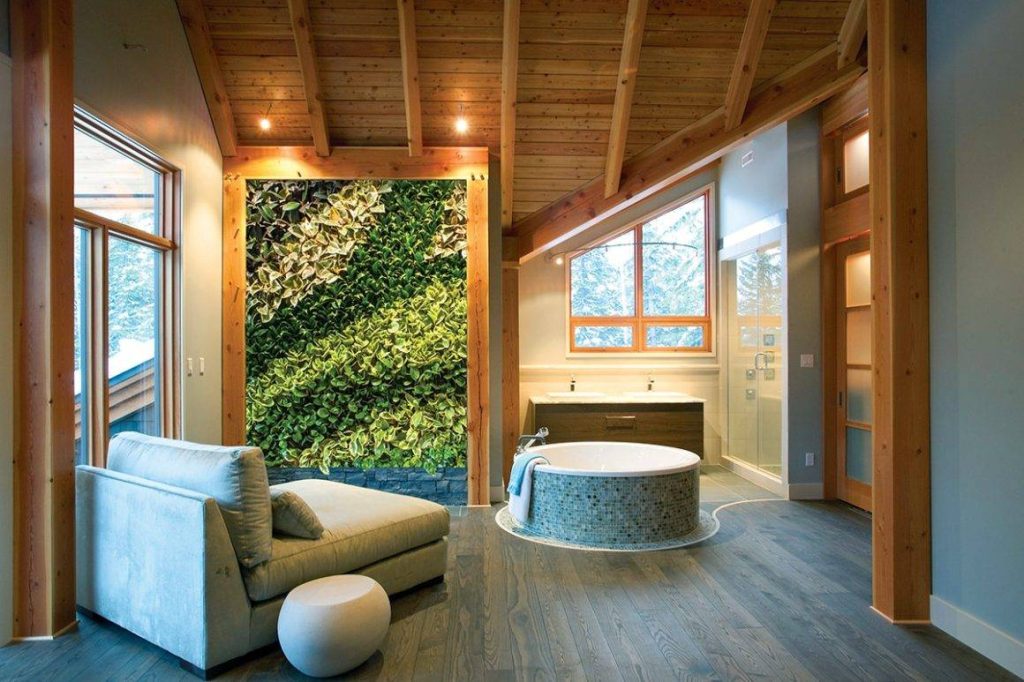
Transforming Chaos into Calm
In order to foster mindful living, it is essential to focus on the environments we inhabit. By implementing effective strategies to create organized and functional spaces, we can take significant strides toward reducing stress and enhancing our overall quality of life. A well-organized space not only looks aesthetically pleasing but also contributes to better productivity and mental health.
Mindful Living: A Path to Clarity
At the core of mindful living lies the philosophy of awareness and intention. This requires an active engagement with your surroundings, encouraging decisions that resonate with your values and goals. Here are several fundamental principles that ground this practice:
- Intentional Simplification: Simplifying your space involves mindful strategies that eliminate unnecessary items. This doesn’t mean disposing of everything—rather, it’s about keeping only those possessions that enhance your life. Consider creating a personal assessment checklist to determine the items that reflect your values and serve a purpose.
- Function over Form: Mindfulness dictates that each area of your home should serve a clear purpose. For instance, create a workspace that thrives on functionality by reducing clutter and maintaining essential tools within arm’s reach. The features should blend seamlessly to promote productivity and focus, making it easier to engage in your tasks.
- Creating Inviting Atmospheres: Spaces should not just exist; they should evoke feelings of peace and serenity. Incorporating elements like plants, soft lighting, and comfortable furniture can help cultivate a calming environment. Research suggests that green spaces have a profound impact on mental well-being, making plants a worthwhile addition to any room.
Embracing a mindful approach to your living space can profoundly affect your mental state and daily productivity. By understanding the significance of your surroundings, you can make informed decisions that lead to a harmonious lifestyle. Central to this process is the concept of mindful decluttering—an ongoing effort to reevaluate and organize your belongings.
Practical Steps Toward Mindful Living
Incorporating mindful living into your environment can be achieved through several practical steps:
- Dedicated Time for Organization: Set aside time weekly or monthly to assess the state of your spaces. This regular evaluation helps maintain order and prevents buildup of clutter, ensuring you remain attuned to what you possess.
- Curate Purposeful Spaces: Arrange your furniture and belongings to enhance utility. A well-structured layout is not only visually appealing but can assist in navigating your space effortlessly, minimizing distractions.
- Embrace Change Gradually: Implementing a mindful lifestyle is a journey. Start with one room and gradually expand your efforts to other areas of your life. This slow approach allows for sustainable changes, enabling each strategy to become a natural part of your routine.
By combining awareness with action, you create opportunities for a more organized and functional space. Each step you take toward mindful living will lead to a calmer, more harmonious existence, not only benefiting you but those who share your environment. As you embark on this transformative journey, remember that mindful living is not just a destination—it’s a continuous framework for better living.
| Category | Advantages |
|---|---|
| Space Optimization | Utilizing multifunctional furniture makes spaces more efficient, encouraging productivity and reducing clutter. |
| Mindfulness Practices | Incorporating meditation and intentional organization helps maintain a serene environment, thereby enhancing mental clarity. |
Implementing mindful living strategies enables individuals to transform their environments into organized havens. Emphasizing space optimization, one can enhance functionality through the use of multifunctional furniture, allowing for seamless integration of various tasks. This approach not only fosters productivity but also effectively minimizes clutter, leading to a more serene living experience.In addition, engaging in mindfulness practices such as meditation invites intentionality into the organization process. By fostering a clear mindset, individuals are empowered to choose what truly serves them, leading to better decision-making regarding possessions and space allocation. Understanding these aspects can ignite an interest to delve deeper into achieving a more organized and functional space, creating a fulfilling living environment conducive to mindful living.
DISCOVER MORE: Click here to dive deeper into intentional choices
Enhancing Awareness for Better Spaces
Mindful living doesn’t stop at decluttering; it ventures into creating an overall structure that supports a healthier lifestyle. Implementing mindful organization strategies also encompasses how we interact with the items we own and the spaces we inhabit. This awareness can deeply influence our emotional and psychological states. Enhanced awareness not only improves the functionality of a space but resonates positively throughout our daily lives.
Mindful Maintenance: The Foundation of Order
One of the most effective strategies for maintaining an organized and functional space is to adopt a principle of mindful maintenance. This practice encourages individuals to consistently evaluate their surroundings and make small adjustments before issues arise. Here are some actionable tips for embedding maintenance into your routine:
- Daily Tidying Ritual: Set aside a few minutes each day to tidy your space. This small practice can prevent clutter from accumulating and allow you to maintain an atmosphere of tranquility. By making this a habit, you’ll create an environment that feels fresh and inviting.
- Monthly Inventory: Conduct simple inventories of your belongings monthly. Assess whether certain items are still valuable to your lifestyle, and consider donating or discarding what no longer serves you. Maintaining an inventory fosters a deeper connection with your possessions and allows for a more intentional approach to what you keep.
- Utilize Storage Wisely: Employ storage solutions that not only organize but also declutter the visual aspects of your spaces. Baskets, boxes, and decorative containers can enhance aesthetics while offering a place for items, reducing the sense of chaos.
Incorporating Reflection into Organization
Mindfulness invites a deeper level of reflection into your living spaces. As you organize, it’s important to recognize how items make you feel. Are there objects that evoke memories that hinder your productivity? Embrace strategies that incorporate reflection into the organizing process:
- Mindfulness Journaling: Start a journal to document your thoughts and feelings as you declutter. Writing down your reflections can provide insight into your attachment to certain items and can guide you toward making more intentional decisions about what to keep.
- Visualization Techniques: Before reorganizing, visualize how you want your space to function and feel. This mental exercise helps clarify your goals and gives you a clearer direction as you sort through belongings. By picturing your desired outcome, you enable yourself to align your actions with your intentions.
- Gratitude Practices: As you sort through items, practice gratitude for what you keep. Acknowledging the purpose and value of your belongings can enhance your connection with your space, solidifying your commitment to mindful living.
This engagement with your surroundings and the incorporation of reflection can lead to more insightful decision-making regarding your possessions. Recognizing the impact of mindful organization on both physical and emotional well-being is crucial in the pursuit of a fulfilling lifestyle. By embedding these strategies into your daily life, your spaces will not only become more orderly but also reverberate with peace and purpose.
Furthermore, consider that nurturing functional spaces also benefits communities. When we lead by example with our organized environments, we encourage others to reflect on their spaces too. The ripple effect of mindful living can foster stronger connections with those around us, ultimately creating a collective environment that is harmonious and supportive.
DIVE DEEPER: Click here to learn more about how minimalism transforms our homes
Conclusion: The Transformation of Space through Mindful Living
In the pursuit of creating more organized and functional spaces, mindful living strategies present a transformative approach that resonates well beyond the immediate environment. The techniques of mindful maintenance and reflective organization empower individuals to cultivate a harmonious atmosphere, fostering not only personal well-being but also a shared sense of community. By integrating daily rituals and monthly assessments, individuals can proactively maintain their surroundings, ensuring they remain a source of peace and productivity.
The value of reflection in relation to our possessions cannot be overstated. Embracing practices such as mindfulness journaling and visualization techniques enhances our capacity to engage with our spaces meaningfully. This deeper connection garners a greater appreciation for what we choose to keep, reinforcing the overall intention of mindful living. As we consciously curate our environments, we take steps toward an enriched life filled with purpose and clarity.
Ultimately, the journey of organizing our spaces is also one of collective growth. As we nurture order and intention in our homes, we set an inspiring example for those around us. The ripple effect of these mindful practices can lead to stronger bonds within our communities, allowing for an atmosphere that is more supportive and connected. Embrace these strategies to not only transform your living space but also contribute to a larger movement of mindful living that encourages mindfulness everywhere.