Mastering Minimalism Practical Tips for Simplifying Your Home
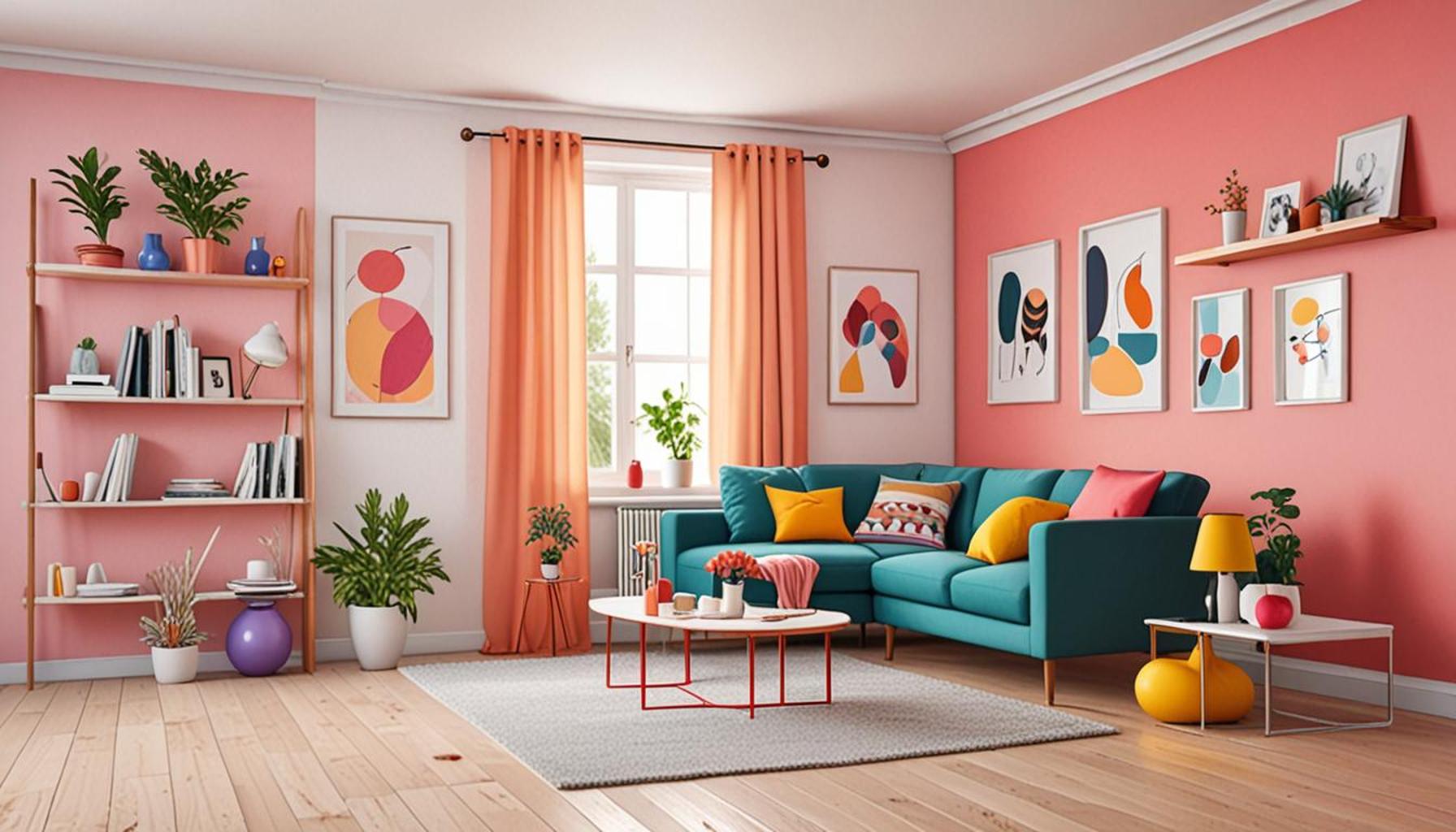
Embracing a minimalist lifestyle can lead to profound changes in one’s home and mind. In an age overwhelmed by consumerism, where clutter often dictates peace of mind, minimalism offers a refreshing alternative. It encourages individuals to focus on what truly matters, fostering a sense of clarity and purpose.
Implementing minimalist principles can simplify your living space, enhance personal organization, and instill a greater appreciation for quality over quantity. Here are some key benefits of transitioning to a minimalist home:
- Reduced stress: Decluttering leads to a calmer environment.
- Enhanced productivity: Simplified spaces can boost focus and efficiency.
- Financial freedom: Less consumption equals savings.
- Environmental impact: Reducing waste contributes to sustainability.
- Improved mental health: A clear space promotes a clear mind.
In this article, we will explore the Top 5 practical tips for simplifying your home. Each tip is designed to help you take actionable steps toward creating a serene and organized living environment. Get ready to uncover strategies that can transform your space and enhance your life.
Top 5: The Art of Creating Simplified Spaces: Practical Tips for a Minimalist Home
In the fast-paced environment of the modern world, where sensory overload is a regular occurrence, the appeal of minimalism has become increasingly prominent. Creating a minimalist home goes beyond aesthetics; it offers a philosophy of simplicity and intentionality. The process of transitioning to a minimalistic lifestyle often brings a profound sense of calm and clarity, elevating one’s mental space to match the physical. Below, we unpack five essential tips to guide you on this transformative journey towards a minimalist living environment. These tips are presented in order of significance, beginning with the fifth and moving to the most important aspect of all.
5. Prioritize Quality Over Quantity
When embarking on a minimalist lifestyle, the aim is not merely to reduce the number of belongings you own but to invest in pieces that carry meaning and value. Choosing quality over quantity reshapes your home into a haven of both function and elegance.
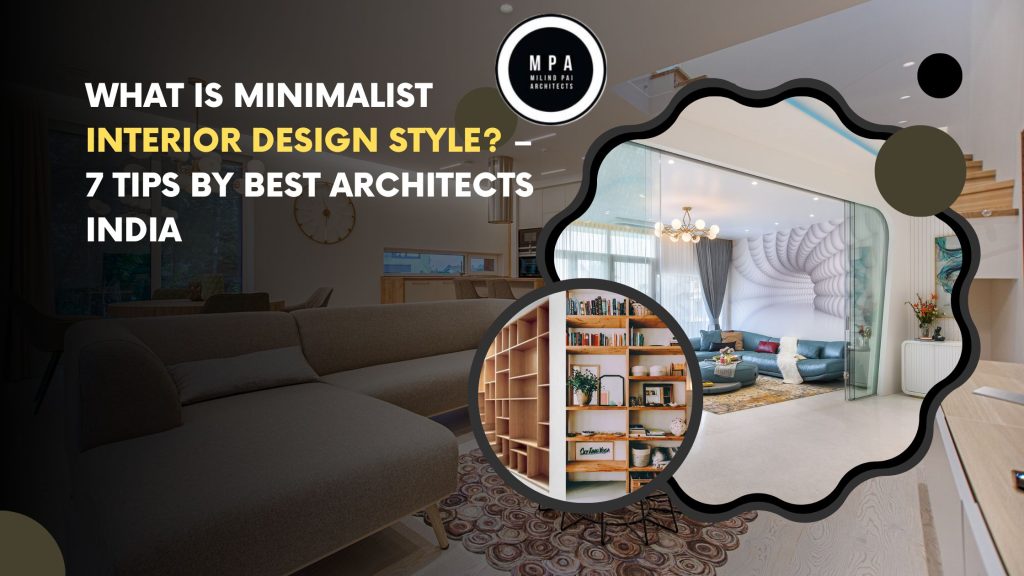
- Invest in timeless pieces. Items such as well-crafted furniture can look appealing for decades. A classic wooden dining table or a leather armchair can blend seamlessly into different styles as trends change.
- Choose multipurpose items. Imagine a sleek console table that doubles as a desk or a bed with hidden storage compartments. These pieces maximize space efficiency — an essential aspect of minimalist living.
- Embrace craftsmanship. Handcrafted goods tell a story that mass-produced items lack. A unique, artisanal pottery vase or a handwoven rug can infuse character and warmth into any setting.
Striving for fewer, higher-quality items, leads to a home environment that is aesthetically pleasing, durable, and practical. It nurtures a sense of calmness, turning your residence into a minimalist sanctuary.
4. Embrace the Freedom of Decluttering
Decluttering is often the cornerstone of adopting a minimalist lifestyle. It requires selecting and retaining only the essentials that add value to your life. By purging unnecessary belongings, you clear a pathway to greater mental clarity and unburden yourself from the excess.
- The “One-Year Rule.” A simple decluttering technique is to discard items you haven’t used in the past year. This not only frees up space but also lightens the emotional tie to unneeded possessions.
- Donate or sell. Give items a second life by donating them to charities or selling them online. This approach not only declutters your space but also contributes positively to the community or earns you extra income.
- Use the “Four-Box Method.” Sorting your items into boxes labeled Keep, Donate, Trash, and Unsure provides a structured method to assess your belongings systematically.
Once you’ve decluttered, your home will feel more inviting and expansive. With fewer distractions, you’re able to focus more on living rather than managing plentiful objects.
3. Choose a Neutral Color Palette
Color choice is instrumental in implementing a minimalist aesthetic. By employing a neutral color palette, your space can achieve harmony and sophistication, encouraging relaxation and simplicity.
- Warm neutrals. Beige, taupe, and soft gray tones promote a cozy and welcoming ambiance, suitable for communal spaces like living rooms and kitchens.
- Cool tones. Lighter shades of blue and green are known for their soothing qualities, perfect for bedrooms or bathrooms where tranquility is desired.
- Accent wisely. Integrate splashes of color through select pieces of decor, artwork, or indoor plants, adding interest without cluttering the visual space.
Carefully chosen colors enhance the minimalist atmosphere, creating a seamless flow throughout different areas of the home and contributing to a collective sense of unity.
2. Cultivate Mindful Organization Systems
A minimalist home thrives on organization that is intuitive and sustainable. Establishing systems to manage your belongings efficiently can streamline daily routines and minimize visual clutter.
- Labeling storage. Clear labeling on storage boxes or shelves can prevent clutter from accumulating, making tidying up simpler and more effective.
- Zone your home. By allocating specific zones for activities like working, dining, and relaxing, you create a home that’s both organized and purposeful.
- Perform regular check-ins. Monthly evaluations of organization systems can ensure that they remain effective, allowing you to adjust methods as life demands change.
Efficient organization not only elevates the functionality of your home but is integral to living a minimalist life by providing order and predictability.
1. Create Functional Spaces with Intent
The essence of minimalism is the creation of intentional and functional living spaces. What you surround yourself with should be purposeful and align with the lifestyle you envision.
Begin by assessing the purpose each room serves. Is it primarily for relaxation, work, or family gatherings? Every item in the space should support this intention. For instance, a living room set up for socializing might include ample seating, while a workspace should be organized to promote concentration and productivity.
Multi-functional furniture like foldable desks or modular sofas can also transform a space’s usability without adding unnecessary bulk.
When you thoughtfully design each space, you’re not just removing clutter; you’re fostering a nurturing and optimized environment that supports your needs and aspirations.
By following these five tips, you can convert your home into a minimalist haven that promotes simplicity and serenity. The underlying principle of minimalism—keeping only what adds value to your life—can lead to an enriched and fulfilling lifestyle, truly demonstrating that less can indeed be more.
| Category | Description |
|---|---|
| Simplicity | Emphasizes the importance of maintaining only essential items, allowing for a more calm and organized environment. |
| Improved Focus | A minimalistic space reduces distractions, leading to better concentration and productivity in daily tasks. |
| Ease of Maintenance | Fewer items mean less clutter, which translates to simpler cleaning and upkeep, saving time and effort. |
| Sustainability | Encourages the purchase of high-quality, long-lasting items and promotes a lifestyle that minimizes waste. |
In the pursuit of a minimalist lifestyle, exploring each category highlights not just aesthetic benefits, but practical improvements that resonate with contemporary living. The art of simplicity manifests in the emotional and psychological upliftment of individuals as they navigate their environments. The relationship one has with their space is vital to fostering a productive and peaceful atmosphere, making each aspect of minimalism profound and essential for today’s fast-paced world.Simplicity encourages a profound reassessment of what truly contributes to one’s well-being. As the clutter diminishes, so does the noise, allowing for clear thought processes and enhanced creativity. Imagine a workspace where distractions are minimized; the surroundings breathe with a sense of calm, invigorating the mind to explore and innovate.Consider the time saved through a minimalist approach to maintenance. When items are cherished and cleaned regularly, the act of caring for one’s space becomes less of a chore and more of a ritual of gratitude. This shift not only manifests in cleaner environments but also cultivates habits that foster respect for possessions and their true value.Moreover, the commitment to sustainability aligns seamlessly with minimalism, urging individuals to think critically about their consumption patterns. By opting for fewer, but better quality items, one not only reduces their carbon footprint but promotes an ethos of responsibility towards the planet and future generations.As you navigate through these categories, the essence of minimalism reveals itself not merely as a lifestyle choice but as a pathway to deeper fulfillment and clarity in life. Embracing such principles leads to an enriched sense of purpose, prompting a mindful investigation into the spaces we inhabit and the lives we lead.
Frequently Asked Questions about Creating Simplified Spaces
What are the primary benefits of adopting a minimalist lifestyle at home?
The core advantages of embracing a minimalist lifestyle include a reduction in clutter, which can lead to improved mental clarity and a sense of peace. By simplifying your living spaces, you can save time on cleaning and organizing, enabling you to focus more on activities that truly matter to you. Additionally, minimalism often fosters a more environmentally friendly approach to living by encouraging you to buy less and reduce waste.
Where should I start when transforming my home into a minimalist haven?
It’s best to begin with a small area or a single room to avoid feeling overwhelmed. Declutter by assessing each item’s necessity and emotional value, focusing on keeping only what is truly essential. Consider implementing storage solutions that enhance the room’s functionality without adding visual clutter. This gradual process allows you to adapt to the minimalist mindset before tackling larger spaces.
How can minimalism affect my mental health and overall well-being?
Living in a clutter-free environment has been shown to have positive effects on mental health, including reducing stress and anxiety. A minimalist space provides a cleaner, more organized backdrop, helping to promote relaxation and focus. Many individuals report increased satisfaction and mindfulness as they remove unnecessary distractions from their lives, allowing for greater appreciation of simple pleasures.
What are some common misconceptions about minimalism?
A prevalent myth is that minimalism entails living with very few possessions and in stark, empty spaces. In reality, minimalism is about carefully curating your environment to reflect your lifestyle and needs. It’s less about having nothing and more about ensuring everything you own serves a purpose or brings you joy. Another misconception is that minimalism is expensive, but in fact, it often encourages thoughtful consumption and the avoidance of impulse purchases.
Conclusion: Embracing the Minimalist Lifestyle
In today’s fast-paced world, where clutter and chaos seem to be constants, embracing minimalism is more relevant than ever. The journey towards creating a simplified living space is not just about reducing physical belongings but also about cultivating a more meaningful, intentional way of living. Throughout this article, several practical tips have been highlighted to help transform your home into a minimalist sanctuary.
Firstly, we discussed the importance of ruthless decluttering, a fundamental step in any minimalist venture. By letting go of unnecessary items, you can free up space and reduce stress. Secondly, organizing items by category rather than location encourages both efficiency and clarity. Additionally, embracing a neutral color palette not only enhances the aesthetic of your home but also soothes the mind.
The focus on quality over quantity, emphasized in the article, underscores the value of investing in timeless and durable furnishings that contribute to a more sustainable lifestyle. Finally, fostering a more mindful approach to consumption and prioritizing experiences over material possessions were presented as key elements of the minimalist ethos.
Adopting these minimalist strategies can enhance personal well-being and promote a more balanced lifestyle. By simplifying your surroundings, you open the door to new opportunities and perspectives. Embracing minimalism is not merely a design choice but a transformative lifestyle that encourages individuals to reflect on what truly matters. As more people seek simplicity and order, the art of crafting streamlined spaces becomes not only an aesthetic pursuit but a profound statement of living intentionally and with purpose.