
Transform Your Minimalist Space Life with Intentional Choices

Introduction
In a world brimming with excess, minimalism emerges as a refreshing antidote, advocating for a lifestyle where less becomes more. By embracing simplicity, individuals can focus on what truly matters, shedding the distractions of material clutter. This philosophy not only transforms living spaces into havens of tranquility but also has profound implications for personal well-being, offering a path to mental clarity and emotional balance.
At the heart of minimalism lies the concept of making intentional choices. Whether it’s reducing physical possessions, ensuring that each item has a purpose, or concentrating on nurturing meaningful relationships, these conscious decisions can lead to a more fulfilling and balanced life. Minimalism, thus, is not merely about aesthetics but a holistic way of living that prioritizes substance over superficiality.
In the following sections, we will explore the Top 5 choices that can radically alter your minimalist space and, in turn, enhance your personal journey. These insights are designed to inspire you, encouraging you to rethink and refine your surroundings while ultimately reshaping your perspective on life. As you dive deeper, prepare to uncover the possibilities that minimalism can offer in enriching your daily experiences.
Choice #1: Declutter with Purpose
The first step in embracing minimalism is to declutter with purpose. This involves a thoughtful evaluation of your possessions, deciding what truly adds value to your life. By systematically removing items that no longer serve a purpose, you create physical and mental space to breathe and grow. This practice is not about letting go of sentimentality but understanding that memories reside within you, not in objects.
Choice #2: Prioritize Quality Over Quantity
A key tenet of minimalism is the preference for quality over quantity. This principle encourages you to invest in fewer, better-quality items rather than amassing a swarm of lesser ones. Whether it’s a piece of furniture, clothing, or even food, choosing well-made, durable goods not only enhances your environment but also fosters sustainability and mindful consumption.
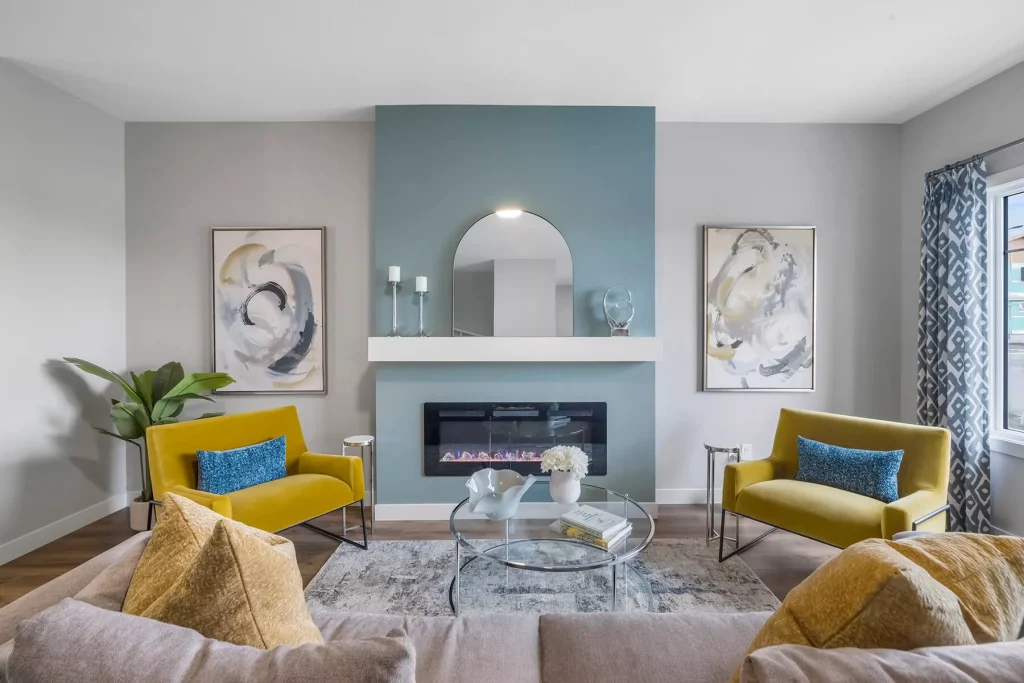
Choice #3: Create Spaces That Soothe
Design your living spaces to be soothing and functional. Minimalism promotes clean lines, open areas, and natural light, creating an atmosphere of calm and focus. By surrounding yourself with intentional, harmonious design elements, you can reduce stress and cultivate a living space that supports your mental health and creativity.
Choice #4: Embrace Mind
Top 5: How Intentional Choices Can Transform Your Minimalist Space and Personal Life
Living a minimalist lifestyle is not merely a trend; it represents a profound shift toward a more considered way of life. It’s about making intentional choices that can significantly transform not only your physical space but also enhance various aspects of your personal development. Below, we delve into five essential ways through which intentional decisions can lead to a more organized, purposeful, and fulfilling life. We will journey from our fifth point up to the ultimate revelation at number one.
5. Creating a Clean Slate
The journey toward minimalism often starts with decluttering, an act that demands deliberate decision-making. By making intentional choices about what to keep and what to discard, you set the stage for both physical and mental clarity. This process involves an honest evaluation of your belongings to assess their true value. Ask yourself, are these items necessary, or do they merely occupy space and distract you from the life you wish to lead?
- Assess your items: Once a week, dedicate time to sorting through your possessions. Identify items that no longer serve a functional or emotional purpose.
- One in, one out: Adopt a mindful approach where the addition of a new item necessitates the removal of an older one. This practice helps to prevent clutter from gradually accumulating.
- Mindful purchasing: Before making any purchase, pause and ask whether this item aligns with your values and purpose. Consider its utility and emotional significance.
Every item you remove creates more than just physical space; it refreshes your mental landscape, enhancing productivity and focus, while the act of decluttering itself can be remarkably liberating.
4. Developing Positive Habits
The scope of minimalism extends beyond the physical. It involves rethinking how you conduct your daily tasks, fostering a life structured with positive routines. By developing intentional habits, you can weave consistency into your lifestyle, eliminating chaos and uncertainty.
Implementing a daily planning system is a powerful tool for simplifying your day-to-day. By organizing your tasks the night before, you alleviate the morning rush and prioritize key activities. This proactive approach allows you to concentrate on what’s truly important, thereby sidestepping the overwhelm of decision fatigue. Additionally, establishing rituals surrounding wellness—such as regular exercise, self-care, and mindfulness practices like meditation—can enrich your daily experience and bring stability to your routine.
3. Cultivating Mindfulness
Minimalism is deeply intertwined with mindfulness, the state of being fully present and engaged with the current moment without judgment. By incorporating mindfulness into your life, you become more aware of your choices and their alignment with your core values, which can significantly boost your mental well-being.
Engage in practices like meditation or journaling to cultivate mindfulness. These activities encourage introspection and help you identify areas of your life that may require change or enhancement. When you are mindful, it is easier to relinquish possessions or habits that no longer serve your well-being, making room for what truly matters. This intentional living reinforces your ability to navigate life with clarity and purpose.
2. Enhancing Relationships
Intentional choices are pivotal in the realm of relationships. The social connections you nurture can significantly optimize your minimalistic journey. Consider who you invest time with and investigate the reasons underlying these connections. Are your social circles nurturing, supportive, and in sync with your goals and values? If not, it might be time to reevaluate and make changes.
Minimalism encourages quality over quantity in friendships. Opting for fewer but more meaningful connections can significantly improve your emotional and social well-being—key components of a fulfilled life. Aim to allocate quality time to those who inspire and uplift you, ensuring these relationships are mutually beneficial and rewarding. Such dynamics invigorate your personal life and reflect intentional living.
1. Aligning with Your Core Values
At its heart, minimalism is about aligning your environment and lifestyle choices with your core values. This alignment is crucial for profound personal transformation and genuine life satisfaction. Now is the time to question what you genuinely value: is it freedom, creativity, family time, or perhaps personal development?
When your choices reflect these intrinsic values, distractions fade, allowing you to concentrate on what truly brings joy and fulfillment. By aligning decisions with your core values, you can effortlessly eliminate excess, focusing instead on what holds significant meaning. The result is not just a decluttered space but a renewed sense of purpose and happiness that permeates every facet of your life.
In conclusion, intentional choices create a foundation for a minimalist lifestyle that deeply resonates with your values and aspirations. Through simplifying your environment and being deliberate about your decisions, you cultivate clarity, joy, and fulfillment in both your life and surroundings. Consider this article an invitation to explore the deeper benefits of minimalism, blending conscious living with intentional decision-making to steer your personal transformation.
| Category | Description |
|---|---|
| Intentional Living | Emphasizes making conscious choices that align with personal values to enhance overall satisfaction and clarity in life. |
| Simplification | Aids in reducing clutter, both physically and mentally, leading to improved focus and productivity. |
| Emotional Well-Being | Fosters a sense of peace and tranquility as intentional choices create a harmonious environment, decreasing anxiety. |
| Sustainability | Encourages mindful consumption and consideration of the environment, leading to more sustainable and ethical living practices. |
In the pursuit of a minimalistic lifestyle, intentional living emerges as a transformative approach that encourages individuals to make deliberate choices aligned with personal values. This shift not only affects external spaces but also profoundly impacts internal states of mind. By engaging in intentional decision-making, individuals discover increased clarity and a heightened sense of purpose in their daily lives.Another significant aspect is the notion of simplification. This process often begins with the physical act of decluttering spaces, which in turn facilitates a clearer mental space. The adverse effects of clutter—both physical and mental—are widely acknowledged; excess belongings can lead to overwhelming distractions and procrastination. Thus, by embracing simplification, individuals can enhance their focus and productivity, leading to improved performance in both professional and personal ventures.Moreover, the impact on emotional well-being cannot be overlooked. Living intentionally fosters a serene atmosphere that promotes inner peace. As individuals create environments that reflect their authentic selves, they experience a reduction in anxiety and stress. This tranquility not only enhances personal satisfaction but also enables more meaningful connections with others, as the clarity derived from a simplified space allows people to engage more fully and authentically in their relationships.Finally, adopting a minimalistic lifestyle often leads to a greater awareness of sustainability. By making thoughtful consumption choices, individuals contribute to environmental well-being. This engagement with sustainability transforms the way one interacts with their surroundings—prompting considerations of ethical practices and eco-friendly alternatives in day-to-day living. Embracing this level of conscious decision-making transcends mere aesthetics; it encourages a lifestyle committed to preserving the planet for future generations. As the journey continues, the powerful connection between intentional choices and their impact on both minimalistic environments and personal lives becomes increasingly evident, inspiring many to reflect on their relationship with their belongings and the world around them.
Frequently Asked Questions: Intentional Choices in Minimalist Spaces
How can intentional choices impact my minimalist living space?
Intentional choices play a pivotal role in shaping a minimalist environment. When you select items with purpose, every piece in your home serves a function or brings joy, aligning with the core principles of minimalism. By being deliberate in your selections, you naturally declutter, which leads to a more organized and serene space. This simplification can drastically reduce stress and increase focus, offering a harmonious living experience.
Can making intentional choices improve my mental well-being?
Absolutely. The practice of making intentional decisions extends beyond the physical realm and profoundly impacts mental wellness. By consciously choosing what to surround yourself with, you can reduce distractions and negative stimuli, creating a space that encourages relaxation and introspection. Studies suggest that a decluttered environment can significantly decrease anxiety and increase productivity, leading to a healthier mindset and a more content life.
What are practical steps to start making intentional choices?
The journey to intentional living begins with mindfulness. Take stock of your belongings and reflect on their purpose and emotional impact. Start by asking yourself, “Does this item add value to my life?” If not, it may be time to let it go. Focus on quality over quantity when adding new items, ensuring they serve a function or provoke happiness. Additionally, periodic assessments of your space can help in maintaining this intentional lifestyle.
Does intentional living mean getting rid of everything non-essential?
Not necessarily. Intentional living isn’t about stripping life down to the bare necessities; it’s about curating an environment that aligns with your values and goals. Personal attachment to items is natural; the key is to assess whether each possession aligns with your ideal minimalist space. It’s perfectly fine to keep non-essential items that hold sentimental value, as long as they contribute positively to your life.
How can intentional choices affect my relationships with others?
Making intentional choices can significantly enhance your interactions and relationships. As you focus on what truly matters, you become more present and attentive, fostering deeper connections with others. This practice can encourage open communication and mutual understanding, as you prioritize meaningful experiences over material possessions. Intentional living often leads to a lifestyle centered around personal growth and emotional fulfillment, positively influencing those around you.
Conclusion: The Transformative Power of Intentional Choices in Minimalism
In the exploration of how intentional choices can redefine a minimalist space and influence personal life, several fundamental insights emerge. At the forefront is the understanding that minimalism is not merely a design choice, but a lifestyle commitment. The deliberate selection of what occupies one’s physical and mental space is pivotal in fostering an environment that supports clarity and focus.
One of the most profound impacts of intentional living is the promotion of mindfulness and self-awareness. By carefully curating our belongings, we align our external environments with our internal priorities, creating a sanctuary that reflects our true values. This alignment can lessen the stress associated with an overly cluttered life and enhance mental well-being.
As we navigate the minimalism journey, we learn to appreciate the significance of quality over quantity. Prioritizing items that truly add value or bring joy can significantly transform how we perceive our surroundings and ourselves. This approach also encourages sustainable living practices, as we are less inclined to indulge in unnecessary consumption.
Moreover, intentional choices cultivate freedom and flexibility. By embracing a lifestyle less burdened by possessions, we gain the liberty to pursue experiences and growth unencumbered. This is not only liberating but also foundational in achieving personal satisfaction and happiness.
Ultimately, the power of intentional choice in minimalism underscores a universal truth: by simplifying our external world, we free ourselves to explore a richer, more fulfilling personal journey. As interest in this lifestyle grows, individuals are invited to consider how such transformations can not only redefine their spaces but also enrich their lives in profoundly meaningful ways.