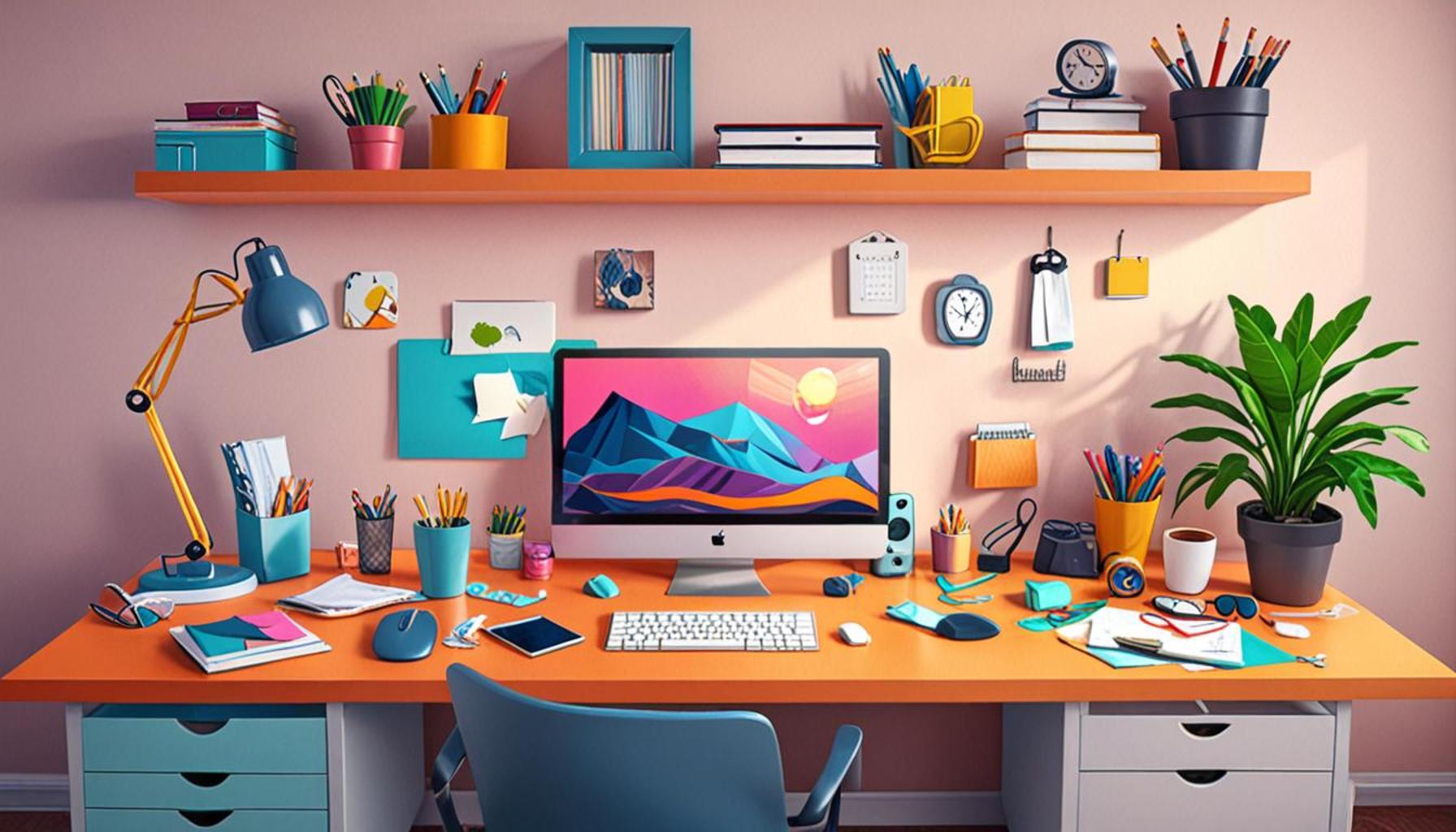
Effective Strategies to Minimize Clutter in Small Spaces with Minimalism
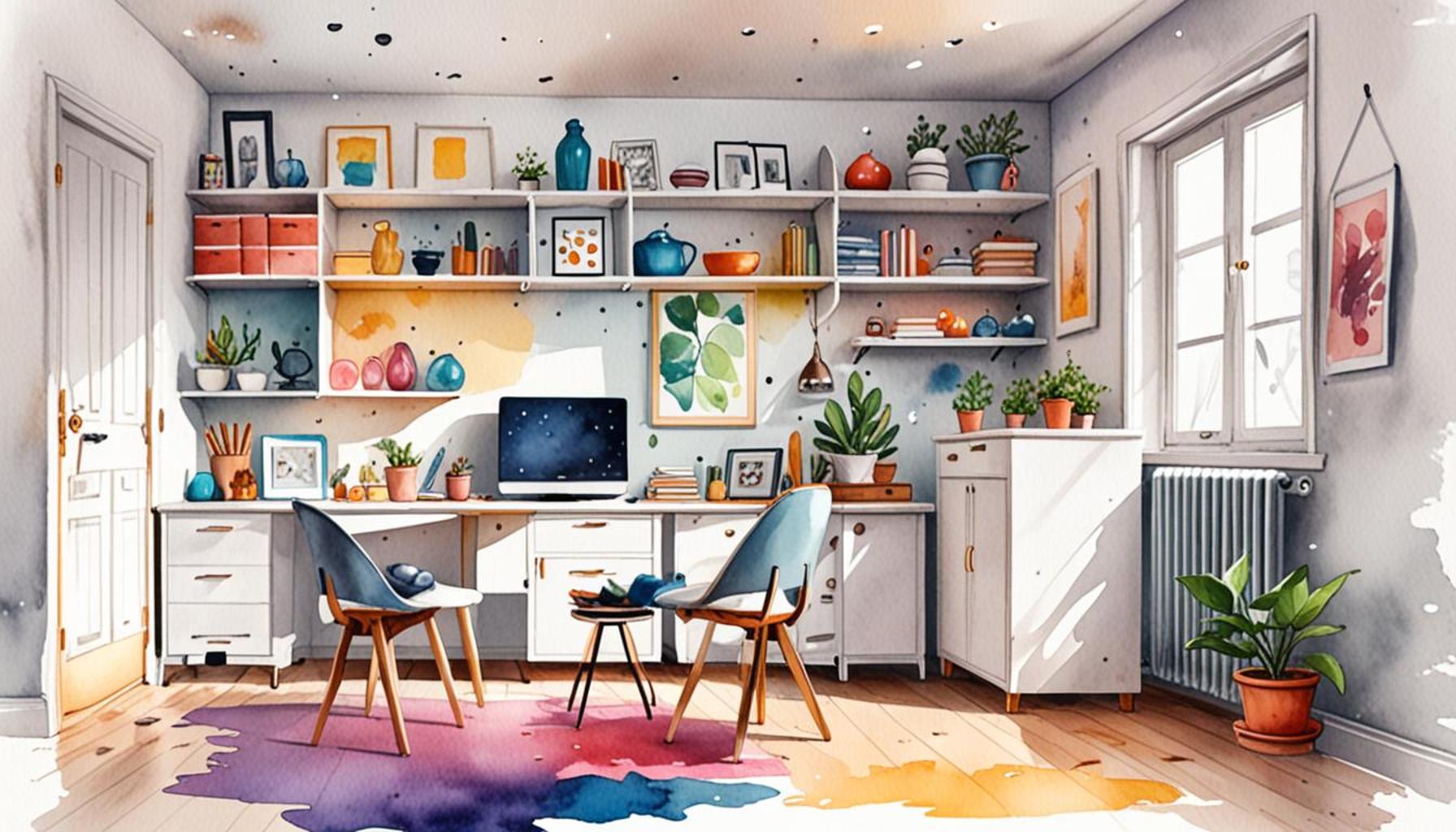
The Pursuit of Clarity in Small Spaces
In today’s fast-paced world, the idea of living with less has gained remarkable traction. Minimalism offers a refreshing perspective on personal organization, especially for those living in small spaces. By embracing this lifestyle, individuals can transform cramped areas into harmonious sanctuaries.
Why Clutter Matters
Clutter not only makes spaces feel smaller but can also lead to increased stress and decreased productivity. Minimizing clutter is essential for creating a peaceful and well-organized environment. Here are some key benefits of reducing clutter:
- Improved mental clarity: A tidy space fosters a calm mind.
- Enhanced functionality: Less clutter maximizes the usability of your space.
- Increased creativity: A minimalist environment can encourage innovative thoughts.
Ready to Transform?
This article will explore the Top 5 effective strategies for minimizing clutter in small spaces through the principles of minimalism. Prepare to discover practical tips that can not only help you organize but also create a more fulfilling living space.
Top 5 Practical Strategies to Reduce Clutter in Small Spaces: Transforming Your Home with Minimalism
Living in a small space can be both a blessing and a challenge. While cozy living arrangements can foster a sense of intimacy, they often invite clutter if not managed correctly. Embracing minimalism can be a refreshing approach to creating a more organized and peaceful home environment. Here, we rank the top five practical strategies to reduce clutter in small spaces, each offering unique insights into transforming your home through the principles of minimalism.
5. Embrace Vertical Space
When space is limited, it’s time to think upward. Utilizing vertical space is a fundamental strategy in minimalism. Think shelves, wall hooks, and tiered storage solutions. By keeping items off the floor and utilizing often-overlooked wall surfaces, you can create more functional areas in your home.
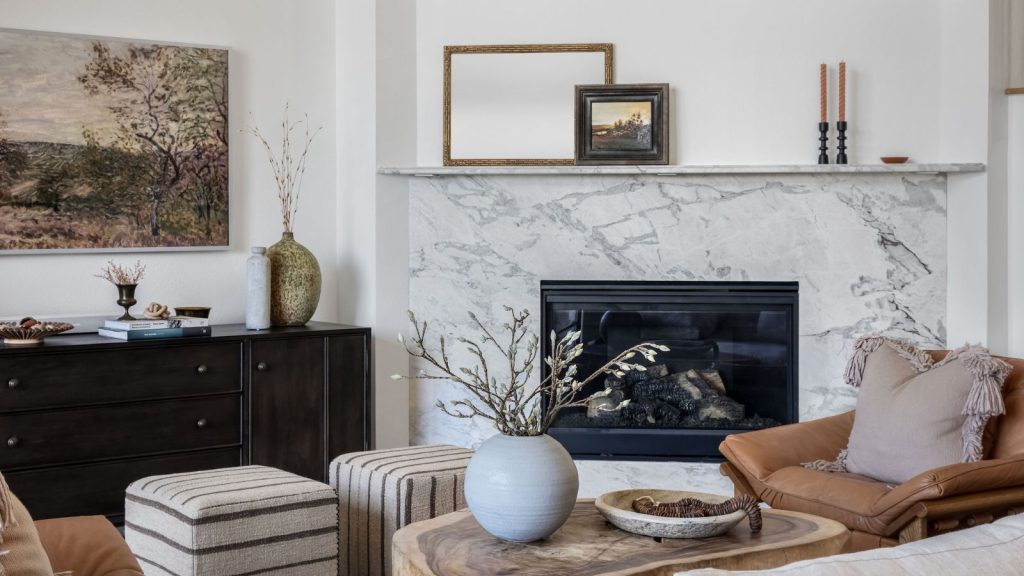
- Shelves: Install floating shelves to display books or decor without consuming valuable floor space.
- Hooks: Use wall hooks for jackets, bags, and accessories to keep surfaces clear.
- Tiered Storage: Employ tiered racks in kitchens or bathrooms to maximize organization.
The method not only saves space but also brings a refreshing aesthetic to your surroundings. By strategically placing your belongings vertically, you create an environment that feels open and inviting.
For example, when a compact studio apartment implemented vertical shelving in their kitchen, residents reported a significant reduction in clutter and an unexpected relief from everyday stress. The vertical storage not only improved functionality but also added an artistic quality to what was once just a wall. Taking advantage of vertical space can transform your outlook on how living areas are designed and utilized.
4. The 90/90 Rule
One of the most effective tactics in minimalism is the 90/90 rule. This principle holds that if you haven’t used an item in the last 90 days, and you won’t use it in the next 90 days, it’s time to let it go. This rule encourages a disciplined approach to ownership.
To apply this rule, follow these steps:
- Go through your belongings systematically.
- For each item, ask yourself if it has been used recently or will be in the near future.
- If not, consider donating or selling it.
This process can be liberating and enlightening, allowing you to rediscover purpose in your possessions and leading to a minimized yet meaningful collection of essentials.
In practice, adopting the 90/90 rule can be more than just functional—it can be transformative. For instance, a family of four living in a two-bedroom apartment found that by applying the 90/90 rule, they reclaimed nearly 25% of their living space from unused items. Not only did this adaptation increase their physical living space, but it also improved their overall well-being by reducing the stress associated with clutter.
3. Limit Surface Items
Countertops, coffee tables, and other flat surfaces can easily become cluttered with everyday items. To implement minimalism effectively, it’s crucial to maintain clear surfaces. This not only makes a space feel larger but also reduces the visual noise that can lead to overwhelming feelings.
Here are some tips for limiting items on surfaces:
- Daily Clear: Spend five minutes each day clearing off surfaces.
- Designate Spaces: Ensure each item has a specific home, preventing overflow.
- Functional Decor: Use decorative items that serve a purpose, such as stylish storage boxes.
A clean surface fosters tranquility, making your small space feel more like a personal sanctuary than a cluttered area. Consider adopting a minimalist mindset of “less is more,” which not only means fewer items on surfaces but also a shift in how you interact with your environment. For example, a homeowner in a downtown condo found they could reduce the feeling of congestion by simply limiting the items on their coffee tables to three essentials, enhancing their enjoyment of the space.
2. Multi-Functional Furniture
In small spaces, every piece of furniture should serve multiple purposes. By opting for multi-functional furniture, you can save space while fulfilling various needs. Consider pieces that can be used for storage, seating, and surfaces.
Examples include:
- Sofa Beds: Perfect for accommodating guests in a compact living room.
- Ottomans: These can serve as coffee tables or extra seating while doubling as storage.
- Folding Tables: Ideal for dining or working, they can easily be put away when not in use.
Choosing versatile furniture promotes organizational harmony and enhances the functionality of small spaces. The trend for modular designs is becoming more popular, with furniture that can quickly transition from one function to another. A young couple in a one-bedroom apartment discovered that using such flexible designs not only addressed their space concerns but also infused an element of creativity into their living arrangements, allowing for a dynamic change in the room’s utilization when needed.
1. Declutter Regularly
The most effective way to maintain a minimalist lifestyle in a small space is through regular decluttering. Establishing a routine of reassessing your possessions can prevent clutter accumulation and keep your living environment pristine.
To make routine decluttering sustainable, implement the following practices:
- Schedule Time: Dedicate a specific time every month for decluttering different areas of your home.
- One In, One Out: For every new item you bring into your home, think of one to remove.
- Emotional Evaluation: Periodically reassess items for their emotional and practical value, keeping only what enhances your life.
Regular decluttering is more than just a practical activity; it aligns with a life philosophy that values intentionality and simplicity. For example, homeowners who adopted a monthly decluttering schedule reported not only improvement in their home’s appearance but also in their personal clarity and focus. The process of continually paring down can bring a sense of control and freedom, supporting a lifestyle that feels expansive, even in confined quarters.
In the overarching journey towards minimalism, these strategies collectively empower small space dwellers to thoughtfully consider their decisions, creating an environment that is both functional and serene. Embracing these practical strategies is more than a path to reducing clutter—it is an invitation to rethink your relationship with your physical space.
To effectively explore the topic of “Practical Strategies to Reduce Clutter in Small Spaces: Transforming Your Home with Minimalism,” it’s essential to delve into specific strategies that can transform not just physical spaces but also enhance mental well-being. Small areas can often feel crowded and overwhelming, but a minimalist approach provides practical solutions to create a serene and inviting environment.One major strategy is to embrace multi-functional furniture. In compact living areas, items that serve multiple purposes can significantly maximize functionality without crowding the space. For example, a sofa that converts into a bed offers a comfortable seating area during the day and transforms into a sleeping space at night, ideal for guests. Additionally, storage ottomans can serve as both seating and a place to store blankets or books, allowing you to reduce clutter while maintaining aesthetic appeal.Another key strategy is the adoption of vertical storage solutions. In small spaces, taking advantage of verticality can free up essential floor space. Installing shelves higher up on walls allows access to decor and favorite books while keeping the lower areas open. Furthermore, wall-mounted hooks for coats, bags, or hats offer a stylish and functional way to keep frequently used items organized and easily accessible without the need for bulky furniture.Implementing a rigorous decluttering routine is also vital. Establishing a regular schedule—whether monthly or seasonally—can help maintain a clutter-free haven. During this process, consider the “one in, one out” rule: for every new item brought into the home, an old item should be removed. This discipline not only keeps accumulation at bay but also reinforces conscious consumption habits, ensuring that each item serves a valuable purpose.Moreover, the integration of natural light into spaces can create an illusion of openness. Carefully selecting sheer curtains or opting for mirrors can amplify natural light further, making small rooms feel larger and more inviting. The psychological benefits of bright and airy spaces cannot be understated, as they contribute to improved mood and reduced feelings of confinement.Finally, maintaining a well-organized digital space is just as important as physical decluttering. As technology becomes increasingly integral to daily life, ensuring that digital clutter is kept in check—such as organizing files, unsubscribing from unnecessary emails, and utilizing cloud storage—can reduce overwhelm in our personal environments. A clutter-free digital space often reflects serenity in our physical surroundings.By adopting these practical strategies, individuals can make tangible changes to their homes that not only minimize physical clutter but also foster an atmosphere of simplicity and calmness. The journey towards minimalism in small spaces is one that encourages ongoing reflection and reevaluation of our possessions, transforming our homes into sanctuaries of peace.
Frequently Asked Questions about Reducing Clutter in Small Spaces
What are the main benefits of adopting a minimalist lifestyle in a small space?
Embracing a minimalist lifestyle can significantly enhance the sense of space and order in your home. One of the primary benefits is creating a more calm and organized environment. It can also lead to improved mental clarity and reduce the time spent on cleaning and organizing. By keeping only items that truly hold value, you can focus on quality rather than quantity.
How do I decide what to keep and what to discard?
Begin by evaluating each item’s function and emotional value. Ask yourself if it serves a purpose or brings joy. Items that don’t meet these criteria can often be donated or recycled. A useful strategy is the “one-in, one-out” rule: introduce a new item only if you’re willing to part with another.
Can digital clutter impact the feeling of minimalism in my home?
Absolutely. Digital clutter such as messy email inboxes, file disarray, and overloaded desktops can also contribute to a sense of disorder. Maintaining digital minimalism is crucial; categorize digital files, regularly clean up your inbox, and keep your digital spaces as tidy as your physical ones.
How can I maintain a minimalist space with children at home?
Achieving minimalism in a home with children might seem challenging but is feasible with some strategies. Encourage kids to regularly donate toys they no longer use. Designate specific areas for their activities and belongings, and introduce them to the concept of rotating toys rather than keeping everything accessible all at once. This can help reduce overwhelming clutter and maintain orderly environments.
Are there any cost-effective ways to organize a small space while practicing minimalism?
Yes, there are many budget-friendly organizing solutions to explore. Consider utilizing multipurpose furniture, such as ottomans with storage space or foldable desks. You can also DIY by repurposing items like jars, boxes, and baskets for organizing. The goal is to use what you already have and invest in pieces that serve dual purposes to maximize space usage.
Conclusion: Embracing Minimalism for a Clutter-Free Home
In a world where space often comes at a premium, adopting a minimalist lifestyle offers not only a practical solution for reducing clutter, but also a pathway to mental clarity and peace. Throughout this exploration, we’ve delved into key strategies that empower individuals living in small spaces to maximize their environment efficiently. From diligent decluttering practices to strategic furniture choices, each step contributes significantly to transforming a house into a serene, organized home.
Firstly, the importance of regular and intentional decluttering cannot be overstated. By methodically analyzing our belongings and keeping only what truly adds value, we pave the way for a more streamlined living space. This process naturally leads to the second major point: the strategic arrangement of multifunctional furniture. By opting for pieces that serve various purposes, we reduce unnecessary items and improve overall functionality.
The third strategy focused on optimizing vertical space, which is especially crucial in small homes. Utilizing shelves and wall storage creates additional room without occupying precious floor space. Moreover, incorporating a neutral color palette and natural light, as outlined in the fourth strategy, visually expands an area, creating a sense of calm and spaciousness.
Finally, embracing simplicity not only transforms physical spaces but also cultivates a minimalist mindset. A commitment to minimalism encourages thoughtful consumption and environmental consideration, resonating with a growing movement concerned with sustainability and intentional living.
In summary, the transformative effects of minimalism extend beyond aesthetics, influencing our mental well-being and lifestyle choices. As you embark on this journey to declutter and simplify, remember that the goal is not perfection but progress towards a more meaningful and unencumbered life. The minimalist approach holds the promise of a balanced existence where space is cherished, and individuality is prioritized. As interest in minimalism continues to grow, exploring its principles offers an intriguing opportunity for personal and environmental reflection.